Trump Baby Bonus Accounts: What Parents Need to Know Now
The federal government is rolling out 'Trump accounts' for children. Here's what families should understand about timing and next steps.

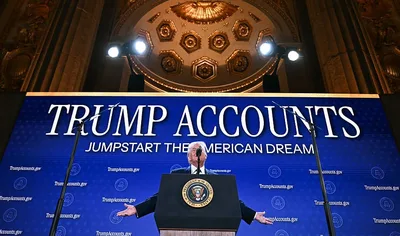
A new federal savings initiative — informally dubbed 'Trump accounts' — is moving from legislative concept toward implementation, and parents across the country are understandably asking the same question: when does the money actually arrive for their children? The program, embedded in broader fiscal legislation, promises a government-funded financial head start for eligible American children, but the mechanics of delivery are still coming into focus.
The rollout is not instantaneous. Like most government benefit programs of this scale, the accounts require administrative infrastructure to be built and verified before funds are distributed. Families should expect a phased process rather than an overnight deposit, and eligibility criteria will play a significant role in determining who receives benefits first and how much they receive.
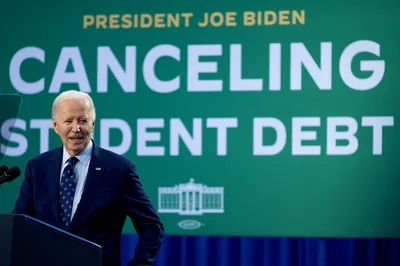
Read more How Biden's Loan Forgiveness Hopes Left Borrowers Worse Off →
For parents trying to plan ahead, the key variables include the child's age and citizenship status, household income thresholds if any apply, and whether the program requires proactive enrollment or operates automatically through existing federal databases such as Social Security records. These details carry real consequences — missing an enrollment window, if one exists, could delay or forfeit a child's access to funds that are designed to compound over time.
The broader policy ambition behind these accounts is to give American children a financial foundation at birth, with the expectation that even a modest initial deposit grows meaningfully by the time a young person reaches adulthood. That long investment horizon is precisely what makes early clarity on eligibility and timing so important — the sooner funds are invested, the greater the compounding benefit.
For families eager to act, the most reliable course right now is to monitor official federal guidance and avoid third-party claims about accelerated access. Continue reading at MarketWatch.com.