How Biden's Loan Forgiveness Hopes Left Borrowers Worse Off
The Biden administration's ambitious student-loan forgiveness push backfired, leaving many borrowers in a more precarious financial position.
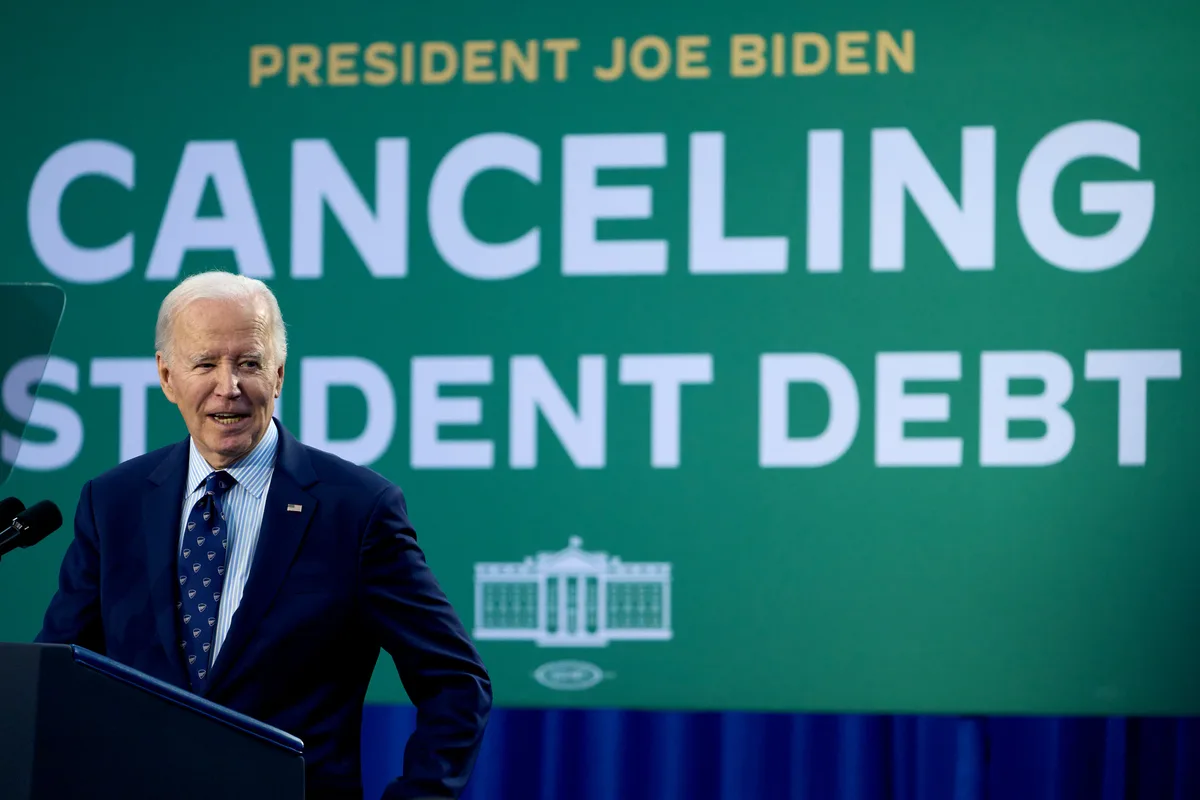
The Biden administration entered office with sweeping ambitions to cancel student debt for tens of millions of Americans, a promise that animated a significant portion of its political base and shaped how borrowers planned their financial lives. That optimism, it turns out, carried a hidden cost — one measured not in policy outcomes but in the personal financial decisions borrowers made while waiting for relief that, in many cases, never fully arrived.
When borrowers genuinely believe a debt will be erased, rational behavior shifts accordingly. Many paused aggressive repayment strategies, redirected cash flow toward other expenses, or avoided refinancing decisions that might have lowered their interest burden. The administration's repeated signals that broad cancellation was imminent gave those choices an air of prudence. When courts struck down major relief efforts and political momentum stalled, borrowers were left holding the same balances — sometimes with less savings and fewer options than before.
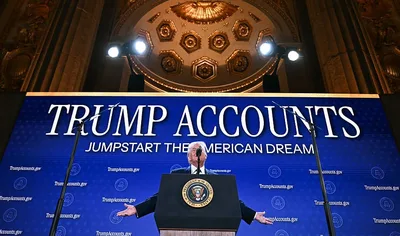
Read more Trump Baby Bonus Accounts: What Parents Need to Know Now →
The dynamic illustrates a broader risk in signaling large-scale government intervention: the anticipation of policy can alter behavior just as powerfully as the policy itself. Unlike a tax cut that either passes or doesn't, student-loan forgiveness operated for years in a state of structured uncertainty, with official messaging consistently leaning toward resolution. That sustained ambiguity created conditions where inaction felt like a reasonable financial strategy.
The episode also raises accountability questions that tend to get lost in partisan debates over whether forgiveness was ever the right policy. Regardless of one's view on cancellation as a matter of fairness or economics, the manner in which the effort was communicated and litigated had real, measurable consequences for the people it was meant to help. Good intentions paired with poor expectation management can produce outcomes that compound the original problem.
Continue reading at US Top News and Analysis.