AI Workplace Adoption Is Wide but Shallow, Study Finds
AI use at work has spread to unexpected blue-collar sectors, but adoption remains surface-level across most industries.
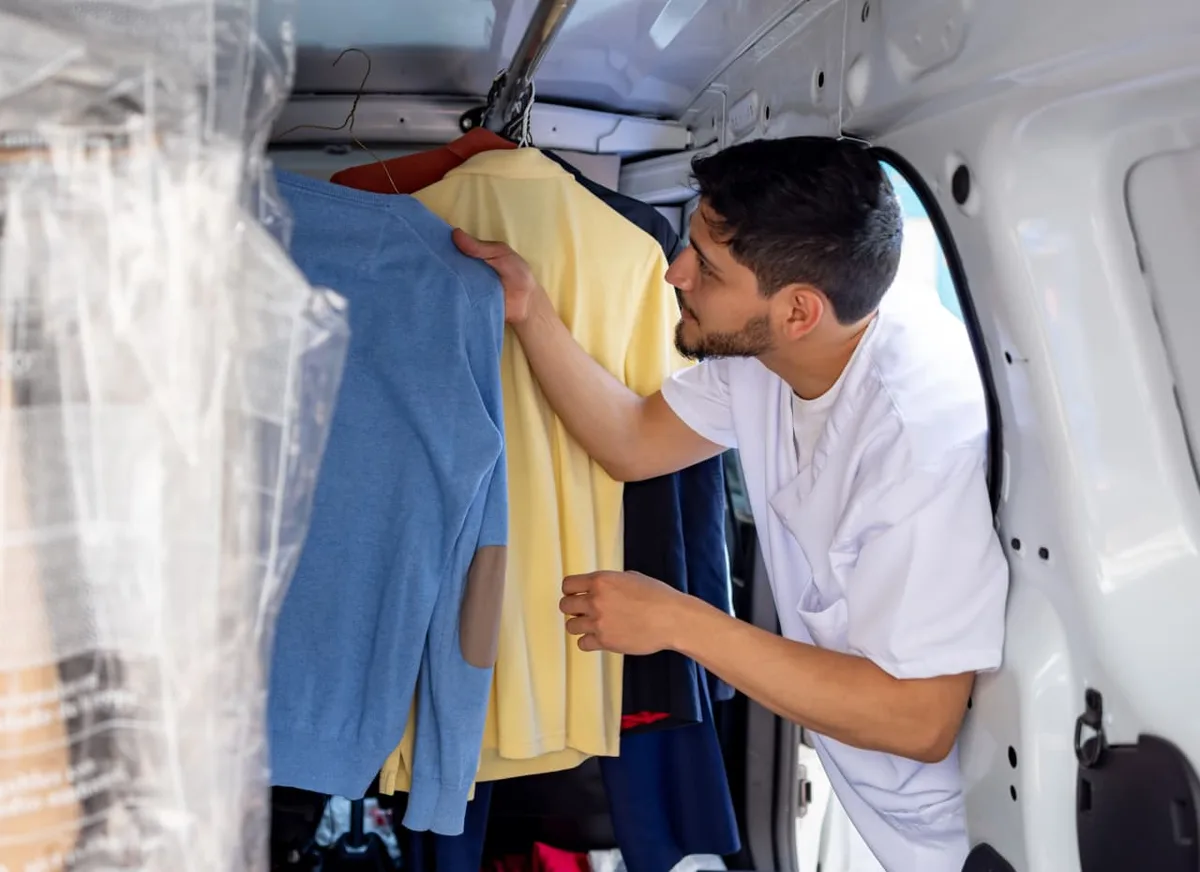
Artificial intelligence has quietly made inroads across a far broader swath of the American workforce than most analysts anticipated — including among dry cleaners, construction workers, and other trades not typically associated with cutting-edge technology. The breadth of adoption challenges a prevailing assumption that AI would penetrate white-collar, knowledge-economy jobs first and most deeply, leaving manual and service workers largely untouched for years to come.
Yet the story carries an important caveat that tempers any triumphal narrative about AI's transformative momentum: the adoption, however widespread, remains notably shallow. Workers across these sectors may be using AI-enabled tools or assistants in limited, task-specific ways rather than integrating the technology into the core of how their jobs are structured and executed. This distinction between broad exposure and deep integration matters enormously when assessing AI's actual economic impact.
Read more Markets Bet Warsh Would Back a Rate Hike, but Doubts Linger →
The pattern is consistent with what researchers and economists describe as a diffusion curve — technology tends to spread horizontally across industries before it penetrates vertically within them. The fact that a dry cleaner and a software engineer are both nominally "using AI" obscures a vast difference in the degree to which the technology is reshaping their respective workflows, productivity, or wages.
What this means for policymakers and business leaders is that the headline numbers on AI adoption may be simultaneously accurate and misleading. High adoption rates do not automatically translate into productivity gains or labor market disruptions at the scale often forecast. The deeper transformation — where AI begins to redefine job tasks rather than merely supplement them — may still be in its early innings, even as surface-level penetration looks impressively broad.
Continue reading at MarketWatch.com