Fed Chair Warsh Calls for Quieter Fed, Flags Inflation Risk
Jerome Powell's likely successor outlined a restrained central bank philosophy while avoiding specific policy signals in a closely watched speech.
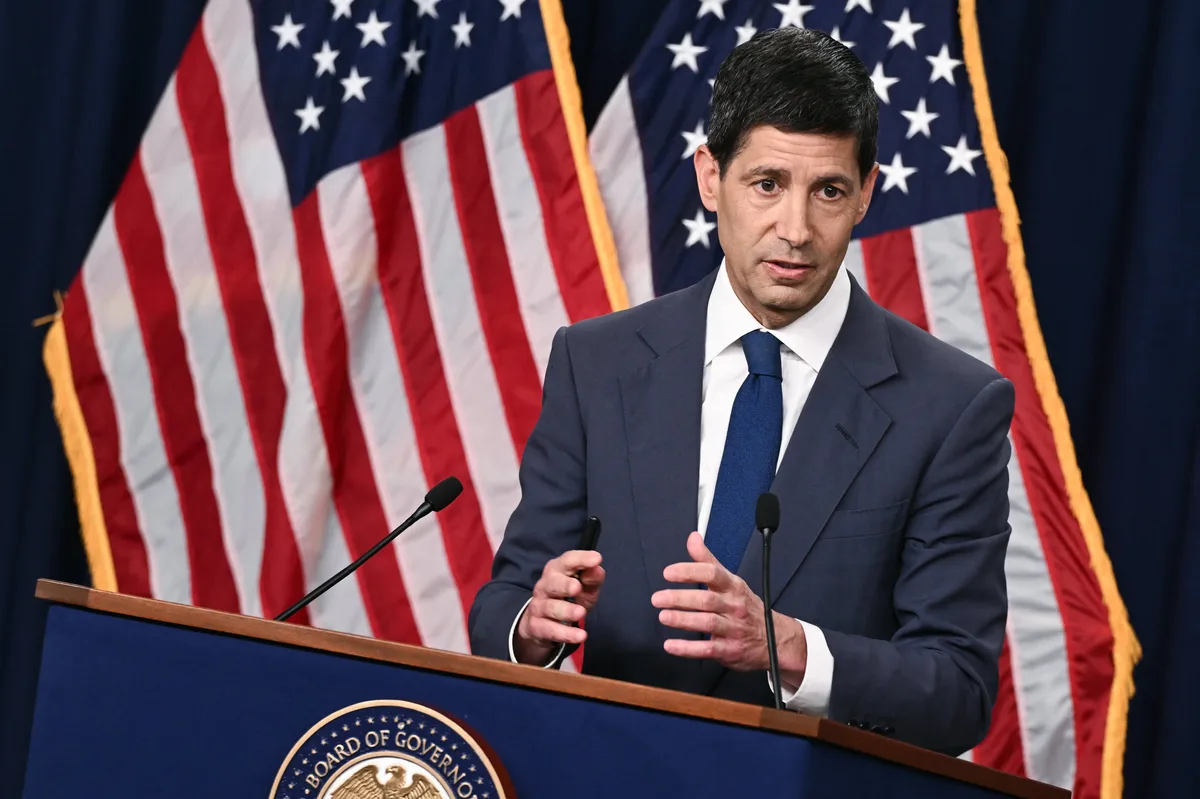
Kevin Warsh, widely regarded as a leading candidate to succeed Jerome Powell as Federal Reserve chairman, used a recent public address to articulate a governing philosophy centered on institutional humility and a lower communications profile for the central bank. The remarks were notable less for what they promised and more for the disposition they revealed: a Fed that speaks less, commits less, and reserves more room to maneuver.
At the heart of Warsh's message was a pointed concern about inflation. While he declined to telegraph any specific rate moves, his emphasis on price stability signals that he would not treat residual inflation as a problem already solved. That framing matters enormously in the current environment, where markets have been pricing in Federal Reserve rate cuts even as consumer prices remain above the central bank's 2 percent target.
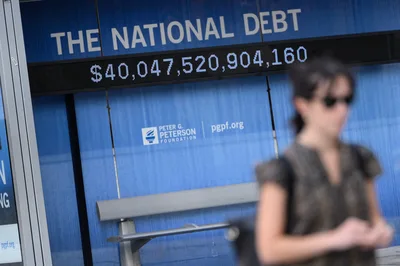
Read more U.S. National Debt Surpasses $40 Trillion, Doubling in Ten Years →
Equally significant was his advocacy for a 'quieter' central bank — a deliberate pushback against the expansive forward-guidance culture that has defined Fed communications for over a decade. Under that approach, chairs from Ben Bernanke onward used press conferences, dot plots, and detailed public statements to steer market expectations well in advance of actual decisions. Warsh appears skeptical that this transparency, in practice, has served either the Fed's credibility or the economy's stability.
The speech was carefully constructed to avoid handing markets a roadmap, which itself may be the point. A Fed chair who declines to pre-commit retains greater flexibility — and, theoretically, greater authority — when economic conditions shift unexpectedly. Whether that approach would reduce or amplify market volatility is an open and consequential question that financial professionals will be debating well before any Senate confirmation hearing.
For now, Warsh's remarks offer the clearest window yet into the intellectual framework of a man who could soon be the most powerful economic policymaker in the world. Continue reading at US Top News and Analysis.