Iran Trade Squeezed as Khamenei Pushes Dollar Alternatives
Iran's president acknowledges sanctions are strangling trade while Supreme Leader Khamenei calls for reduced dependence on the US dollar.
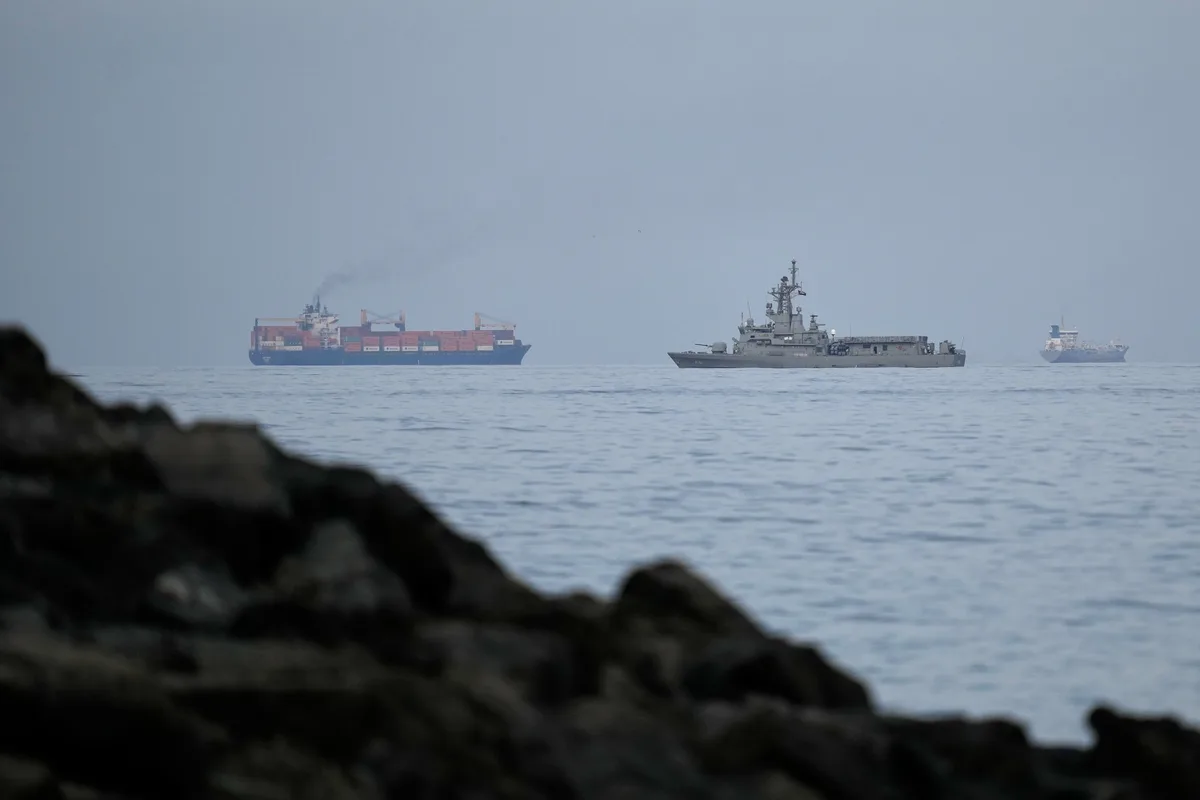
Iran is confronting a compounding economic challenge: sanctions are visibly depressing both imports and exports, and the country's top leadership is now openly urging a strategic pivot away from the US dollar as the foundation of its international commerce. The acknowledgment from Iran's president that sanctions are inflicting real damage on trade flows marks a notably candid admission from a government that has historically downplayed external economic pressure.
Supreme Leader Ali Khamenei's call to reduce reliance on the dollar is less a novel idea than an acceleration of a posture Iran has held for years, driven by necessity rather than ideology alone. With Iranian institutions largely cut off from the dollar-clearing system and SWIFT access severely curtailed, the push for alternative currencies and bilateral payment mechanisms reflects the practical constraints already shaping the country's trade relationships — particularly with partners like China and Russia who share an interest in circumventing dollar dominance.
Read more Fed Chair Warsh Calls for Quieter Fed, Flags Inflation Risk →
The broader significance of this moment lies in what it reveals about the durability and bite of US sanctions architecture. When a country's supreme leader must publicly address currency dependency as a national security concern, it signals that financial pressure is penetrating deeply enough to shape strategic doctrine. Iran's situation has become something of a case study in the long-term behavioral effects of sustained economic isolation — and in the limits of what workarounds can realistically achieve.
For global markets and policy analysts, Iran's trajectory offers a window into how sanctioned economies attempt to adapt, and how far those adaptations can actually go. The gap between Khamenei's aspirational rhetoric and the concrete trade contraction described by Iran's own president suggests the workarounds remain incomplete at best. Continue reading at US Top News and Analysis.