Markets Bet Warsh Would Back a Rate Hike, but Doubts Linger
Traders are pricing in a hawkish tilt if Kevin Warsh leads the Fed, but analysts say the road to higher rates is far from clear.
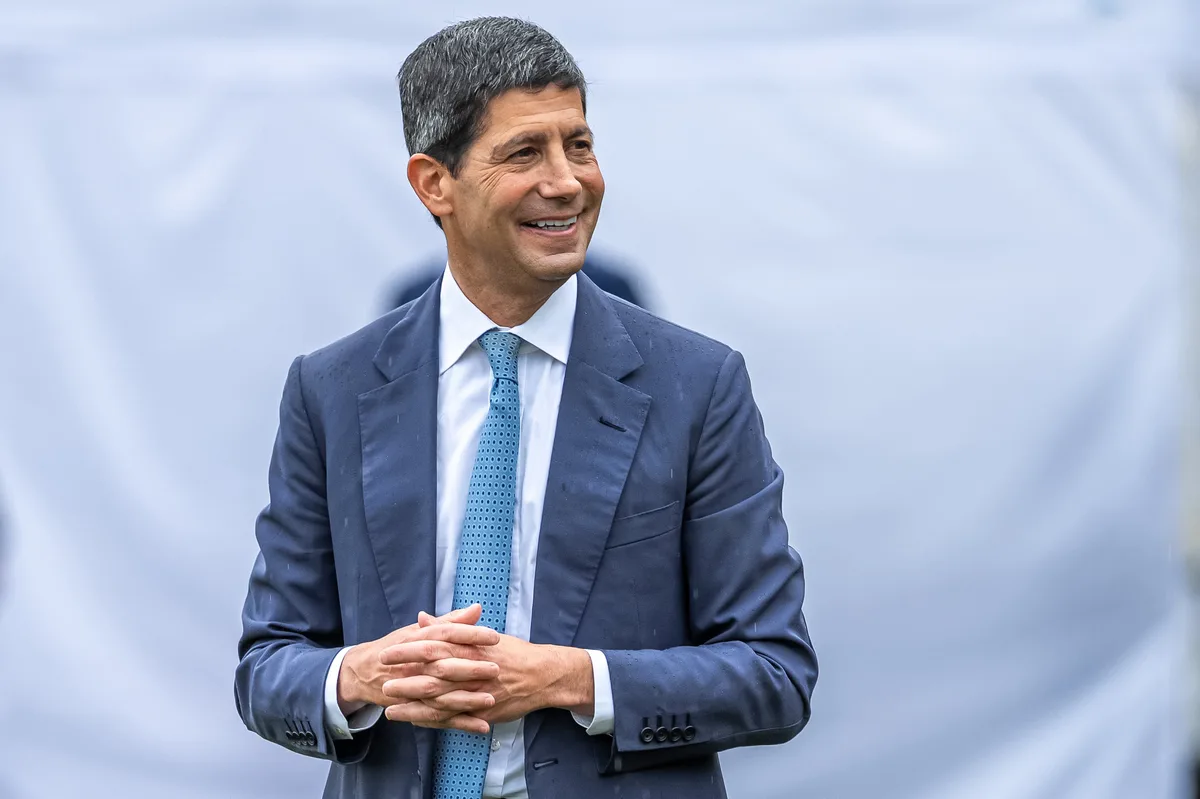
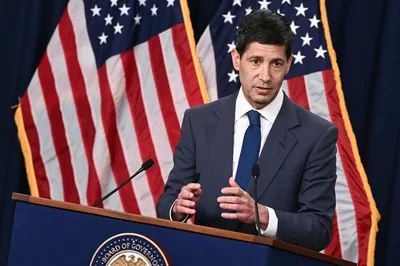
Wall Street has begun handicapping what a Kevin Warsh-led Federal Reserve might look like, and markets appear to be settling on a straightforward answer: tighter monetary policy. The prevailing read among traders is that Warsh, a known Fed critic and advocate for monetary discipline, would likely endorse a rate increase as early as September. That consensus, however, is drawing skepticism from analysts who argue the situation is considerably more complicated than a simple hawkish signal.
The logic behind the market's assumption is not without foundation. Warsh has a long public record of urging the Fed to prioritize price stability and move away from prolonged accommodation. For investors conditioned to reading central bankers through the lens of past statements, it is a short inferential leap from his biography to a September rate hike. But biography is not policy, and the institutional, economic, and political conditions shaping any such decision remain deeply uncertain.
Read more Iran Trade Squeezed as Khamenei Pushes Dollar Alternatives →
Critical observers point out that the path toward a rate increase is, as one framing put it, still cluttered. Confirming a new Fed chair, building consensus within the Federal Open Market Committee, and navigating an economic data landscape that may or may not support tightening all represent substantial friction points. Markets have a habit of over-simplifying leadership transitions at the central bank, pricing in personality-driven outcomes before the structural realities of policymaking assert themselves.
The broader analytical lesson here may be about the limits of inference. Warsh's views are well-documented, but translating those views into a specific policy outcome on a specific date requires assumptions about economic conditions, committee dynamics, and political will that markets cannot yet observe. History suggests that presumed hawkishness often moderates once a Fed leader confronts the full weight of the institution's mandate and the complexity of real-time data. Whether that pattern holds in this case remains an open question that September alone will not necessarily resolve.
Continue reading at US Top News and Analysis