Unemployed Software Developers Face an AI-Skeptic's Dilemma in Tech Hiring
As AI reshapes the tech industry, software developers who question the technology are navigating a tense and uncertain job market.
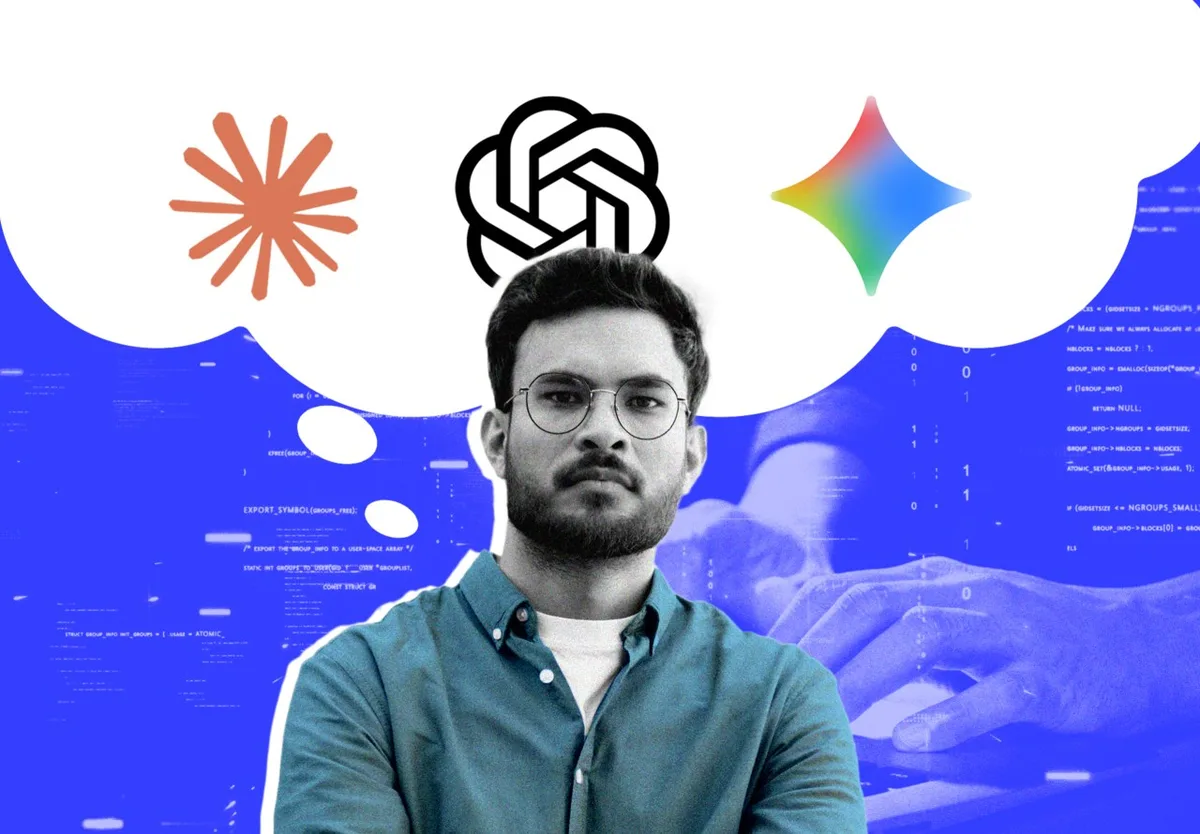
The tension between professional skepticism and marketplace reality is playing out in living rooms and LinkedIn profiles across the country, as software developers who harbor doubts about artificial intelligence find themselves job-hunting in an industry that has made AI its central organizing principle. For these workers, the question is no longer merely philosophical — it has become deeply practical and financial.
One unemployed software developer's situation captures this friction sharply. The developer, openly skeptical of AI's promises, was approached by a company seeking to deploy the technology in a high-stakes context: using AI systems to dispatch ambulances. Few applications illustrate the stakes of getting AI wrong more viscerally than emergency medical services, where a flawed algorithmic decision could cost a life. For a skeptic, such an offer would reasonably prompt hard questions about reliability, accountability, and the appropriate boundaries of automated decision-making.
Read more Prediction Markets Signal Cooler Inflation Ahead of July CPI Report →
The broader labor market context adds pressure to an already difficult personal calculus. Tech layoffs over the past two years have flooded the market with experienced engineers, and many companies are simultaneously using AI tools to screen and reduce headcount — even as they hire for AI-adjacent roles. A developer who cannot or will not enthusiastically embrace the technology risks being filtered out early, both by automated resume screeners and by hiring managers looking for cultural alignment with an AI-forward strategy.
Yet principled skepticism is not the same as obsolescence. Developers who understand AI's limitations deeply — who can articulate where models fail, where human judgment remains essential, and where automation introduces unacceptable risk — arguably bring a form of critical expertise the industry needs but rarely advertises for. The ambulance-dispatch example is precisely the kind of domain where a thoughtful skeptic's due diligence could prevent serious harm.
The path forward for AI-skeptical tech workers likely involves reframing doubt as rigor rather than resistance, and seeking employers who value that distinction. Continue reading at MarketWatch.com