Suriname's Massive Offshore Oil Gamble Begins to Pay Dividends
Suriname's $26 billion offshore oil development is moving from promise to production, reshaping the small nation's economic outlook.
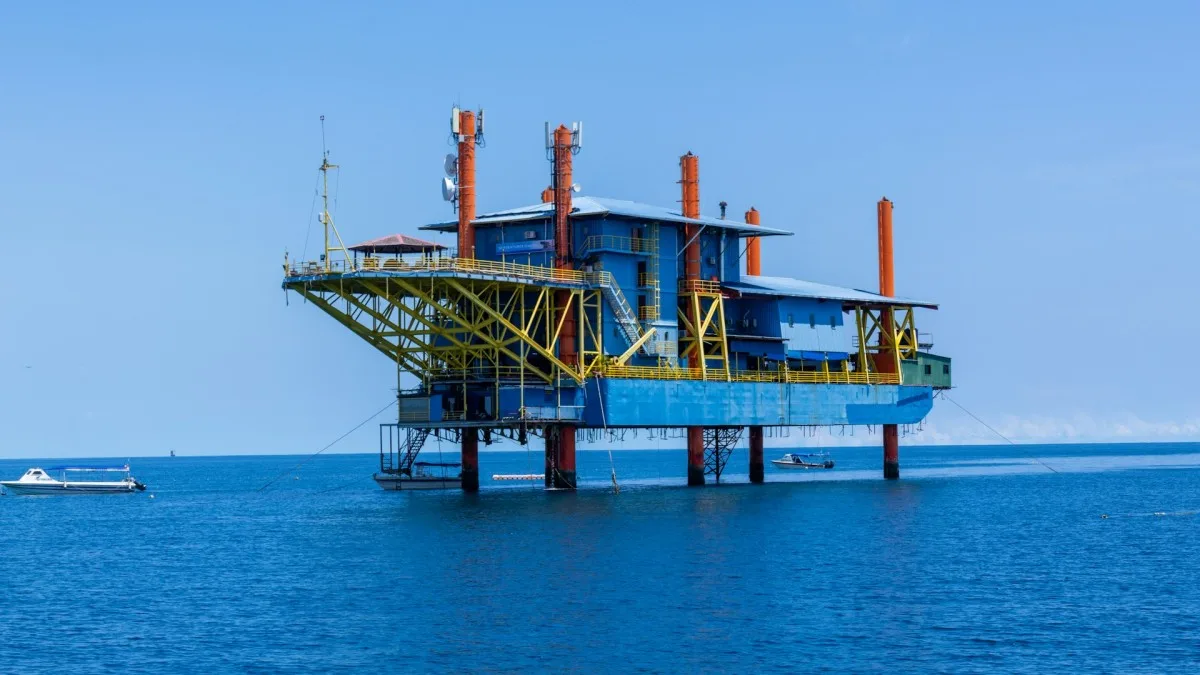
For years, Suriname existed on the margins of the global energy conversation — a small South American nation better known for its biodiversity than its hydrocarbons. That is beginning to change in a meaningful way, as the country's long-anticipated offshore oil development, valued at roughly $26 billion, starts to deliver on expectations that have been building for the better part of a decade.
The scale of the bet Suriname has made on its offshore reserves is difficult to overstate relative to the size of its economy. A successful oil buildout of this magnitude could fundamentally alter the country's fiscal position, providing government revenues that dwarf current income streams and potentially lifting living standards across a population of under one million people. That kind of transformational windfall, however, rarely arrives without complicated tradeoffs involving governance, currency pressures, and long-term resource dependency.
Read more Fed Expected to Hold Rates Steady: What It Means for You →
What makes Suriname's situation analytically interesting is the timing. The country is bringing major oil development online at a moment when global energy markets remain structurally uncertain — caught between persistent demand for hydrocarbons and accelerating pressure from the energy transition. Early-stage producers entering the market now face a narrower window to maximize returns than predecessors did in prior commodity supercycles, making execution speed and contract terms with international partners especially consequential.
The involvement of major international energy companies underscores the credibility of Suriname's offshore resource base, but it also means that a significant share of revenue will flow outward rather than accumulating domestically. How Suriname structures its sovereign wealth mechanisms and manages the so-called "resource curse" dynamic will likely determine whether this oil era is remembered as a turning point or a cautionary tale for small-state petrostates.
For now, the early signals are cautiously positive, and the country's leadership appears focused on translating geological fortune into durable economic development. Continue reading at Yahoo Finance.