Trump's Fed Relationship With Warsh Carries Real Economic Risk
Reported phone calls between Trump and Fed Chair Kevin Warsh could undermine the central bank's credibility on inflation and rates.
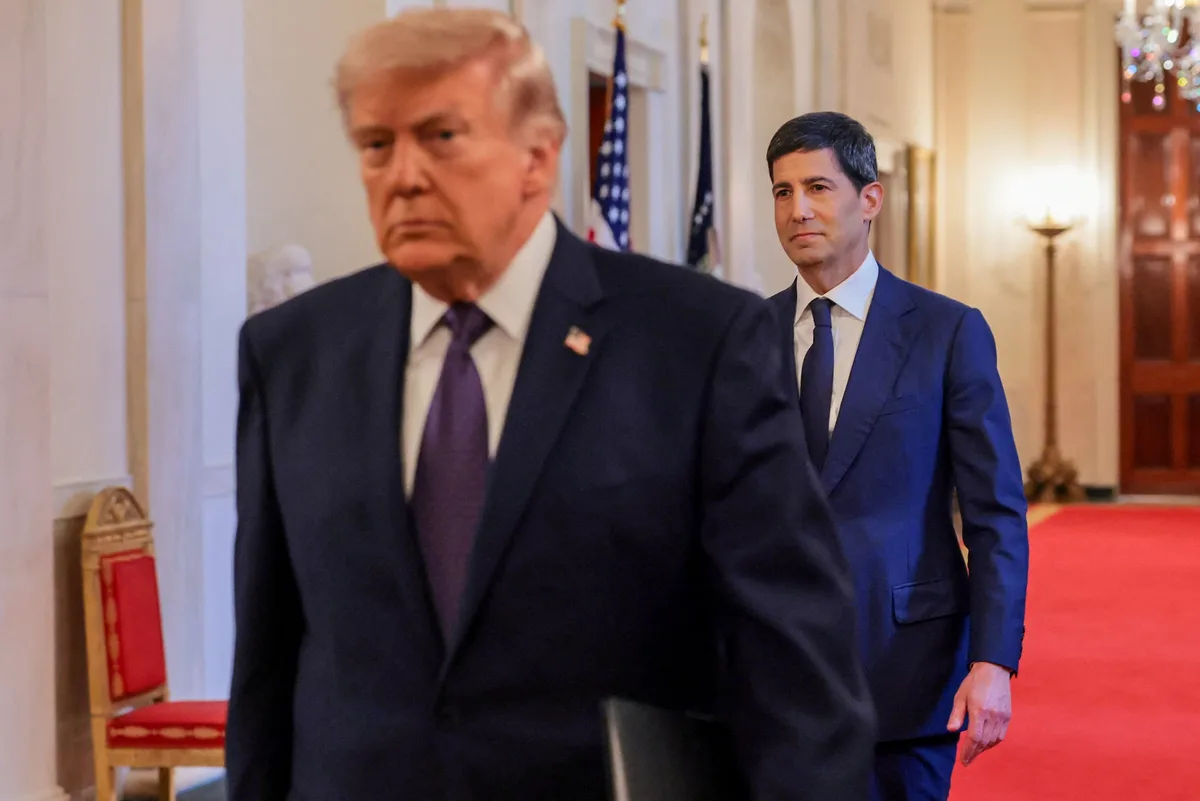
The relationship between a sitting president and the Federal Reserve chairman has always been politically sensitive, but new reporting suggests the dynamic between Donald Trump and Fed Chair Kevin Warsh is crossing into territory that carries genuine economic consequences. Trump's reported phone calls to Warsh are drawing scrutiny precisely because they blur the line between political pressure and independent monetary policymaking — a line that global markets depend on to price risk accurately.
Central bank independence isn't merely a procedural norm; it is a foundational pillar of investor confidence. When markets trust that the Fed will set interest rates based on economic data rather than White House preference, they price inflation expectations accordingly. Any credible signal that the Fed chair is in regular contact with — and potentially sympathetic to — a president who has loudly demanded lower rates introduces uncertainty that can ripple through bond yields, the dollar, and borrowing costs for ordinary Americans.
Read more Prediction Markets Signal Cooler Inflation Ahead of July CPI Report →
For Warsh, the challenge is particularly acute. To be effective, a Fed chair must persuade financial markets that decisions on inflation and interest rates will be made free from political interference. Being perceived as an ally of the sitting president, rather than an independent steward of monetary policy, complicates that task considerably. Even if Warsh acts with complete independence in practice, the optics of a close presidential relationship can erode the credibility that makes Fed communication so powerful.
The broader risk is that any future rate decision — whether a cut or a hold — becomes interpreted through a political lens. A rate cut, for instance, might be seen not as a response to softening economic data but as a concession to presidential pressure. That ambiguity is precisely the kind of noise that destabilizes inflation expectations and forces the Fed to work harder to achieve the same policy outcomes. History suggests that central banks pay a steep price, in the form of higher long-run inflation, when their independence is questioned.
Continue reading at US Top News and Analysis.