U.S. Expands Iran Crypto Sanctions, Targeting Two Exchanges
Washington widens its crackdown on Iranian cryptocurrency activity by sanctioning two exchanges suspected of helping evade financial restrictions.
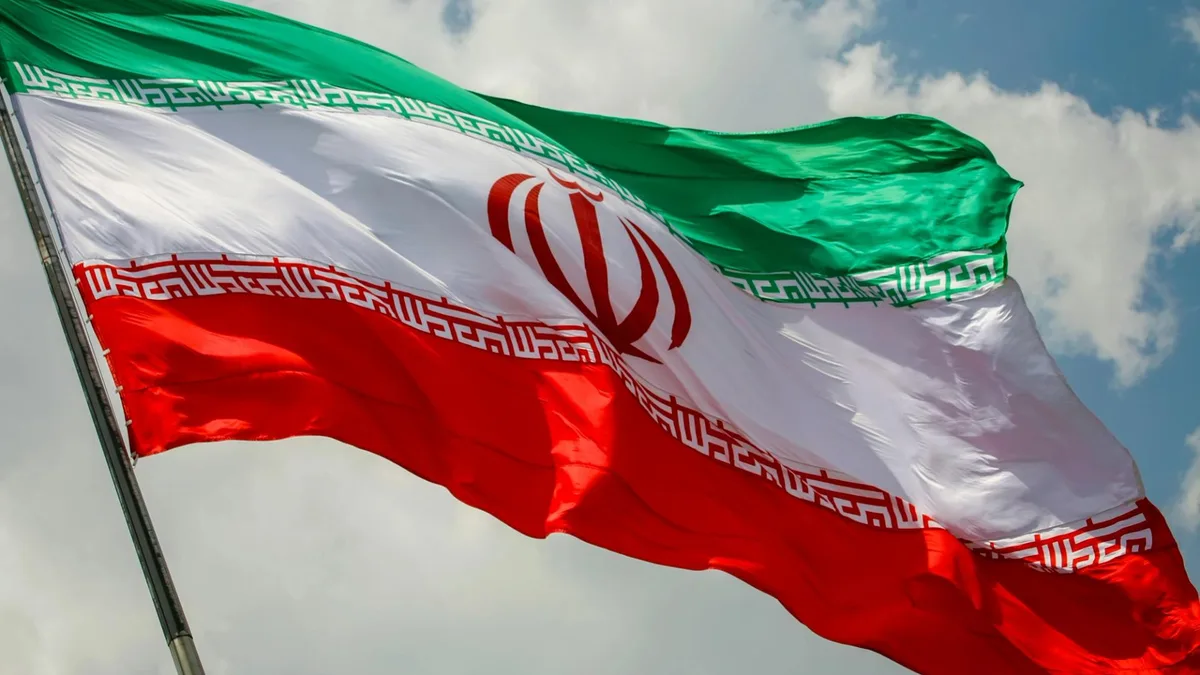
The United States government has escalated its effort to cut Iran off from the global financial system by imposing sanctions on two cryptocurrency exchanges believed to have facilitated transactions that circumvent existing restrictions. The move signals that American regulators and Treasury officials view digital asset platforms as a meaningful vector for sanctions evasion — one that demands the same scrutiny long applied to traditional banking channels.
Crypto's borderless architecture has made it an attractive tool for entities operating under heavy sanctions regimes. Unlike correspondent banking, which requires cooperation from institutions subject to U.S. jurisdiction, peer-to-peer blockchain transactions can, in theory, move value across borders without touching regulated intermediaries. That structural reality has pushed U.S. enforcement agencies to target the exchanges and infrastructure layers that convert crypto into spendable value rather than attempt to police individual wallet addresses alone.
Read more Trump Asserts Hormuz Control, Seeks Iran Reparations Amid Standoff →
The designation of these two platforms represents a continuation of a broader Treasury Department strategy that has seen an increasing number of digital asset businesses added to the Office of Foreign Assets Control's Specially Designated Nationals list in recent years. Once listed, any U.S. person or entity is prohibited from transacting with the sanctioned platforms, and their assets within U.S. jurisdiction are frozen — a mechanism that also deters foreign financial institutions from maintaining any relationship with the named firms.
For the wider crypto industry, the action is a reminder that compliance obligations are not optional for exchanges with any U.S. nexus, and that regulators have grown considerably more sophisticated in tracing on-chain activity back to identifiable platforms. Blockchain analytics firms, which now work closely with law enforcement, have made it substantially harder for sanctioned actors to launder proceeds through centralized exchanges without detection.
The crackdown also carries geopolitical weight: restricting Iran's access to crypto liquidity tightens the overall sanctions architecture at a moment when diplomatic tensions between Washington and Tehran remain unresolved. Continue reading at CoinDesk.