Hardware Wallet Sales in Russia Surge Ahead of Crypto Rules
Russians are rushing to secure digital assets as new cryptocurrency regulations loom, driving hardware wallet sales to more than double.
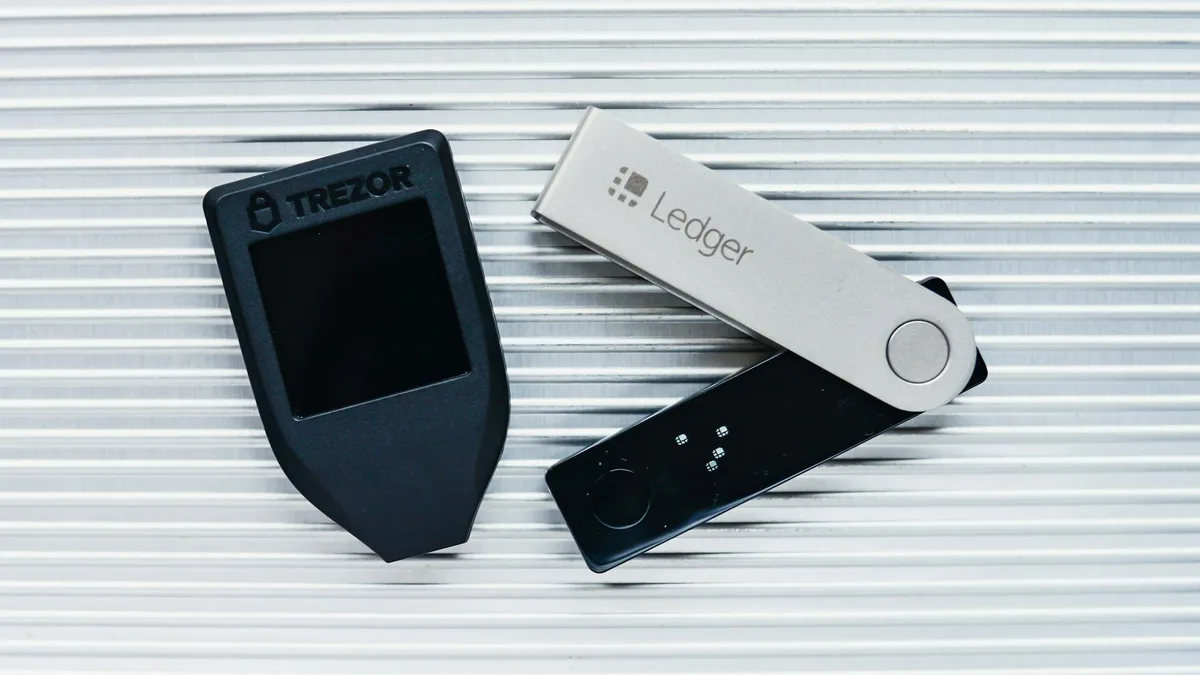
Russia is witnessing a sharp acceleration in hardware wallet purchases, with sales more than doubling as the country moves closer to implementing a new regulatory framework for cryptocurrency. The surge reflects a familiar pattern seen in other markets when regulatory uncertainty peaks: retail and institutional holders alike scramble to move assets into self-custody solutions that sit outside the reach of exchanges or government-accessible platforms.
Hardware wallets — physical devices that store the private keys to cryptocurrency holdings offline — are widely regarded as one of the most secure methods of holding digital assets. Their appeal sharpens considerably when users fear that centralized exchanges could become subject to government oversight, forced disclosures, or outright restrictions. The Russian market appears to be responding to exactly that calculus as new crypto rules approach.
Read more Trump Asserts Hormuz Control, Seeks Iran Reparations Amid Standoff →
The timing is significant. Russia has spent years debating how to regulate cryptocurrency, oscillating between outright bans and frameworks that would bring digital assets under state supervision. As concrete rules now appear imminent, the rush to hardware wallets suggests many Russian holders are prioritizing financial privacy and autonomy over convenience — a behavioral signal that regulators elsewhere have noted tends to precede tighter compliance environments.
From a broader analytical standpoint, the trend underscores a tension at the heart of crypto regulation globally: the more aggressively governments move to supervise digital asset activity, the more users migrate toward tools specifically designed to make that supervision difficult. Russia's experience may offer a preview of similar dynamics in other jurisdictions where regulatory frameworks are still taking shape.
Continue reading at CoinDesk.