Trump Asserts Hormuz Control, Seeks Iran Reparations Amid Standoff
Washington and Tehran remain deeply divided as Trump claims dominance over a critical waterway and demands financial reparations from Iran.
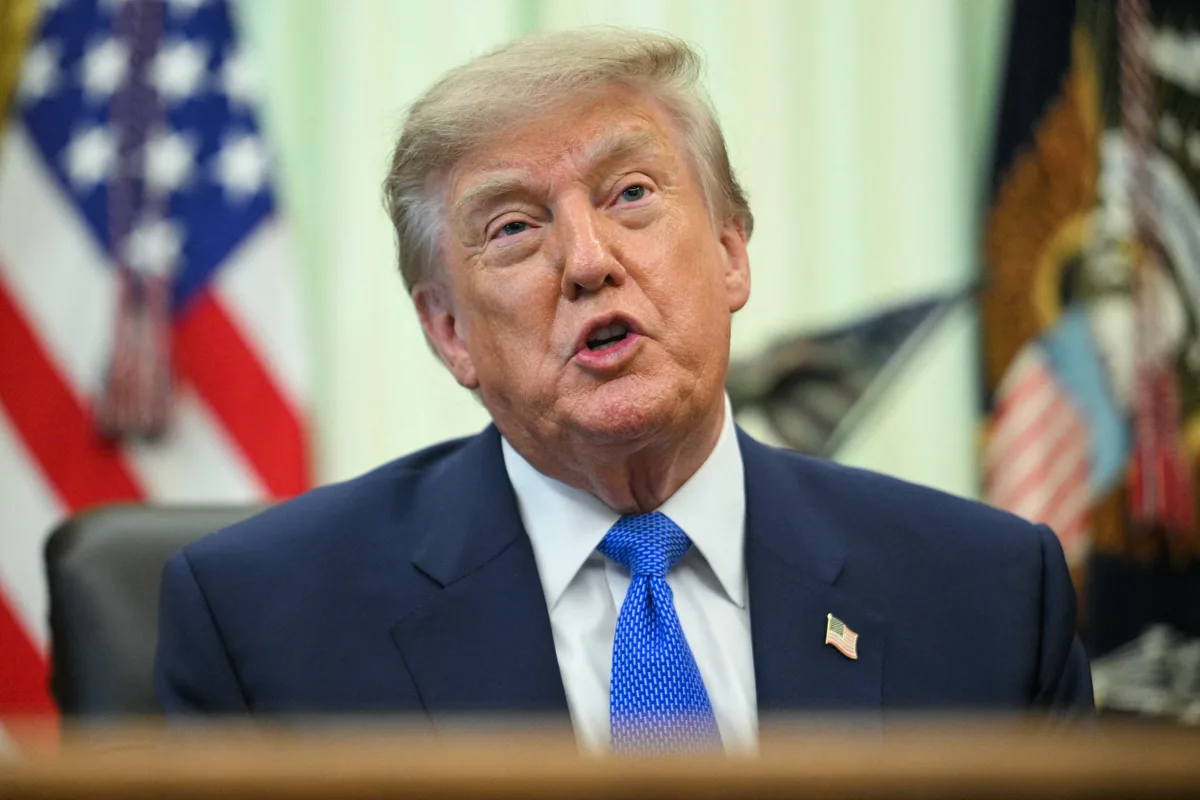
The diplomatic chasm between the United States and Iran widened this week as President Donald Trump asserted total American control over the Strait of Hormuz and demanded that Tehran pay reparations — two positions that signal a significant escalation in rhetoric even as both governments spoke of de-escalating regional tensions. The contradiction between the language of wind-down and the substance of maximalist demands captures the defining paradox of this standoff.
The Strait of Hormuz is among the most strategically consequential chokepoints on the planet, serving as the transit route for roughly a fifth of global oil supply. Any American assertion of dominance there carries enormous economic implications not just for Iran, but for energy markets worldwide and for nations that depend on Persian Gulf exports. Trump's claim, whatever its operational meaning, plants a geopolitical flag that Tehran is constitutionally unlikely to accept without a response.
Read more House Democrats Push AI Firms to Testify on Security Hacks →
The reparations demand adds a separate and particularly thorny dimension to the negotiations. Such a requirement would be politically toxic inside Iran, where any government seen as paying damages to Washington would face severe domestic backlash. It also has few modern precedents in American diplomacy with adversarial states, suggesting either a negotiating-opening gambit or a deliberate effort to set conditions Iran cannot meet.
What the dueling positions reveal most clearly is that while both sides may prefer to avoid outright military conflict, the gap between their respective definitions of an acceptable outcome remains vast. Diplomatic language about winding down hostilities can coexist with structurally incompatible demands — and historically, that combination is precisely where miscalculation becomes most dangerous. Observers watching oil prices, shipping insurance rates, and military positioning in the Gulf will be looking for signals that the rhetoric is softening in practice, not just in public statements.
Continue reading at US Top News and Analysis