Strategic Oil Reserve Drawdown Risks Damaging Storage Caverns
The U.S. Strategic Petroleum Reserve has been depleted to levels that experts warn could cause lasting structural damage to the underground salt caverns.
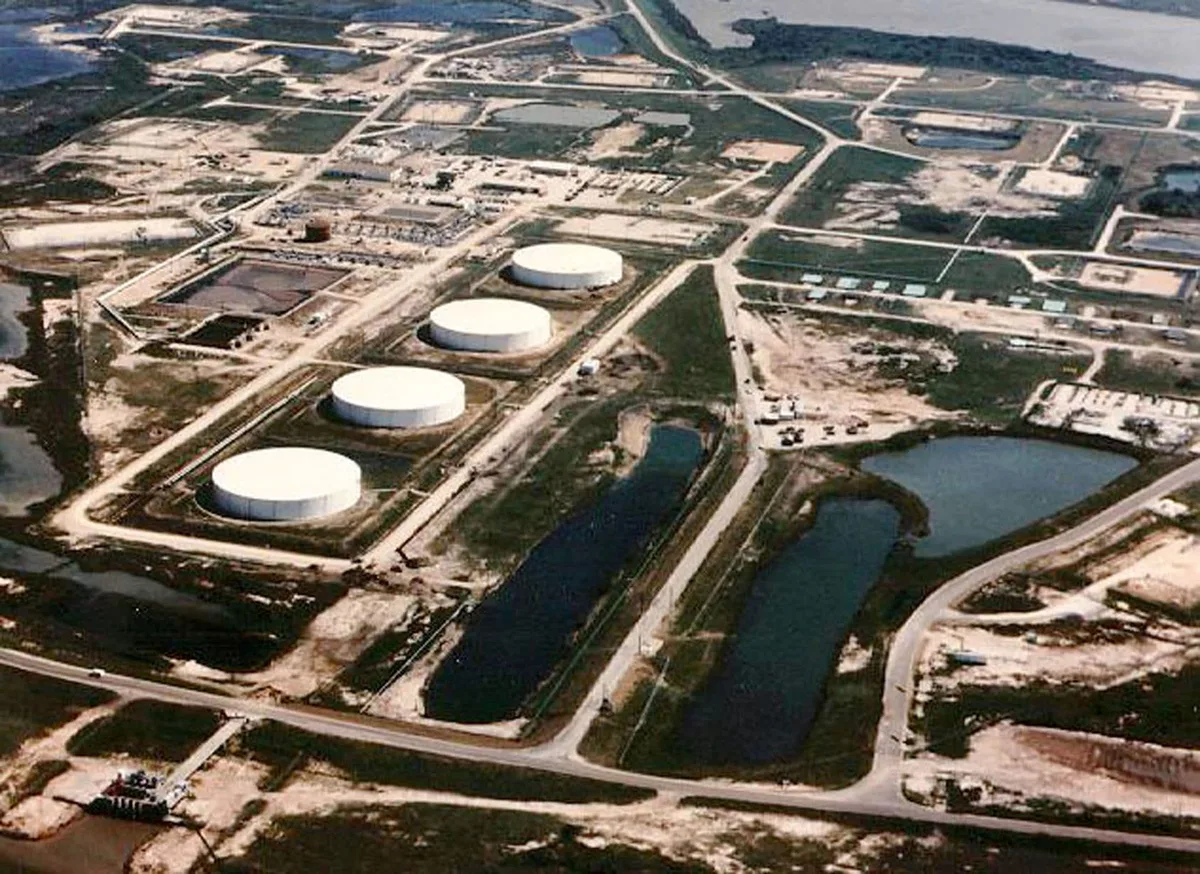
The United States Strategic Petroleum Reserve, the world's largest emergency oil stockpile, has been drawn down so aggressively in recent years that it is approaching a threshold where the physical infrastructure housing the oil may itself be at risk. Experts are raising alarms that the salt caverns used to store crude oil along the Gulf Coast could sustain damage if inventory levels fall too low — a concern that goes beyond simple energy security and touches on the long-term operational viability of the reserve itself.
Salt caverns are not passive containers. They are dynamic geological structures that require a minimum amount of oil pressure to maintain their shape and integrity. When reserves drop below certain operational floors, the caverns can begin to deform — a process that is difficult and expensive to reverse, and that could permanently reduce the SPR's storage capacity at precisely the moment the country might need it most.
Read more Iran Dismisses Trump's Hormuz Claim as Tensions Escalate →
The strategic and policy implications here are significant. The Biden administration released record volumes from the SPR beginning in 2022, primarily in response to supply shocks triggered by Russia's invasion of Ukraine and to help tame domestic gasoline prices. While those releases achieved short-term relief at the pump, critics argued the pace of withdrawals left the reserve in a structurally weakened position. Replenishment efforts have proceeded slowly, hampered partly by congressional budget negotiations and partly by the complexity of purchasing oil at favorable prices.
From an analytical standpoint, the situation illustrates a tension inherent in dual-purpose emergency reserves: they are most politically tempting to use during crises, yet their long-term utility depends on disciplined restraint. If the caverns themselves are compromised, refilling the SPR becomes a moot point — the United States would face a costly and time-consuming engineering rehabilitation before the reserve could serve its core national security function again.
The SPR was established after the 1973 Arab oil embargo precisely to insulate the American economy from geopolitical supply disruptions. Allowing its physical foundation to erode would undercut that mission in ways that transcend any single administration's energy policy choices. Continue reading at US Top News and Analysis.