Iran Dismisses Trump's Hormuz Claim as Tensions Escalate
Iran's deputy foreign minister pushed back on Trump's assertion about the Strait of Hormuz, declaring the waterway will remain under Iranian sovereignty.
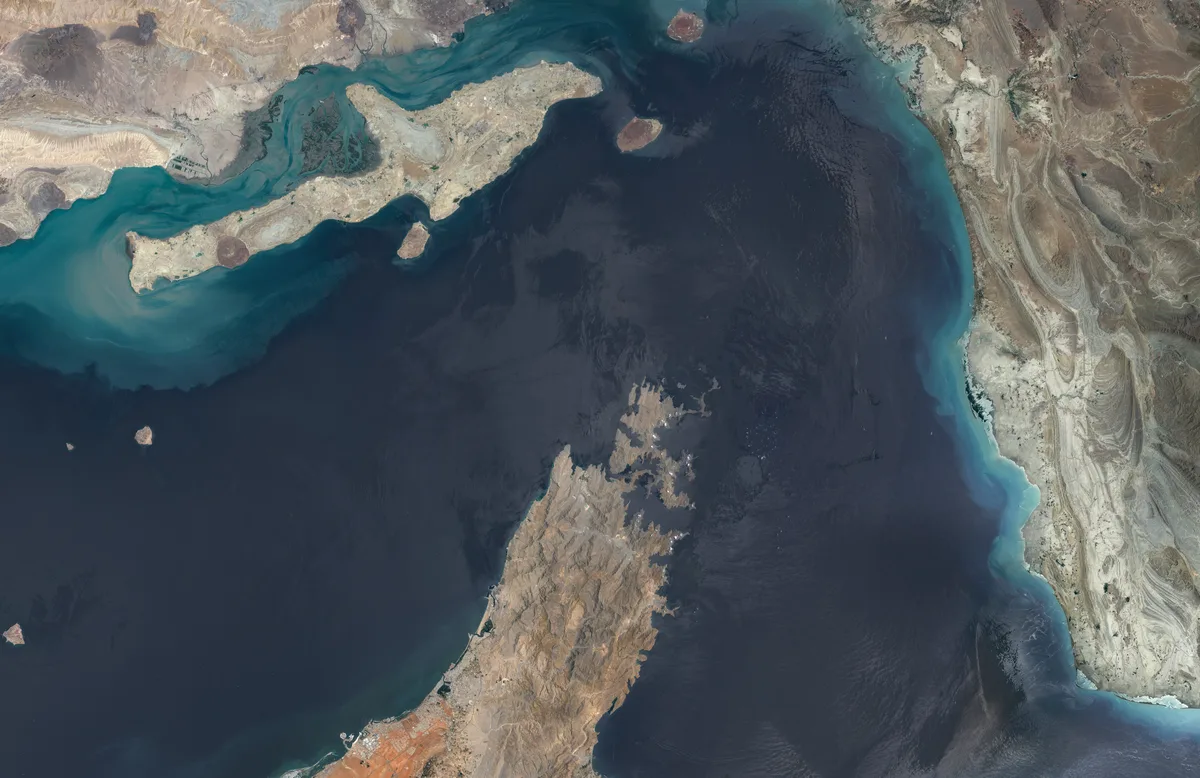
A sharp diplomatic confrontation over one of the world's most strategically vital waterways intensified after Iran's deputy foreign minister publicly rejected President Trump's suggestion that the Strait of Hormuz would soon become U.S. territory. The Iranian official was unambiguous in his response, stating that Hormuz "will remain Iranian" — language designed to signal that Tehran has no intention of ceding influence over a passage through which a significant share of global oil shipments flow.
Trump's claim, the details of which prompted an immediate rebuff from Tehran, raises serious questions about Washington's strategic intentions in the Persian Gulf region. Whether the statement was a negotiating posture, a rhetorical escalation, or a signal of more concrete policy ambitions, Iran interpreted it as a direct challenge to its territorial and geopolitical identity — and responded accordingly.
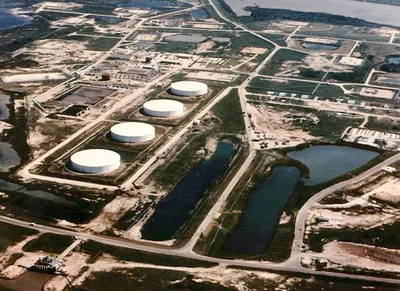
Read more Strategic Oil Reserve Drawdown Risks Damaging Storage Caverns →
The timing carries additional weight given reports that another ship was struck in the vicinity, a pattern that has repeatedly rattled energy markets and shipping insurers in recent years. Such incidents, whether attributed to state or non-state actors, tend to amplify risk premiums on crude passing through the strait and underscore how quickly rhetoric in this corridor can translate into real-world economic consequences.
The Strait of Hormuz is not merely a geographic chokepoint; it functions as a pressure valve in global energy geopolitics. Any credible threat to transit rights — or ambiguity over who controls access — reverberates from commodity trading floors to foreign ministries. Iran has long treated its proximity to the strait as a core element of its regional leverage, making any perceived American encroachment on that claim particularly combustible.
Continue reading at US Top News and Analysis.