Sick Children Left Behind: Parents Push for Better Home Education
Families with medically fragile children are demanding stronger home education rights as schools fall short of their needs.
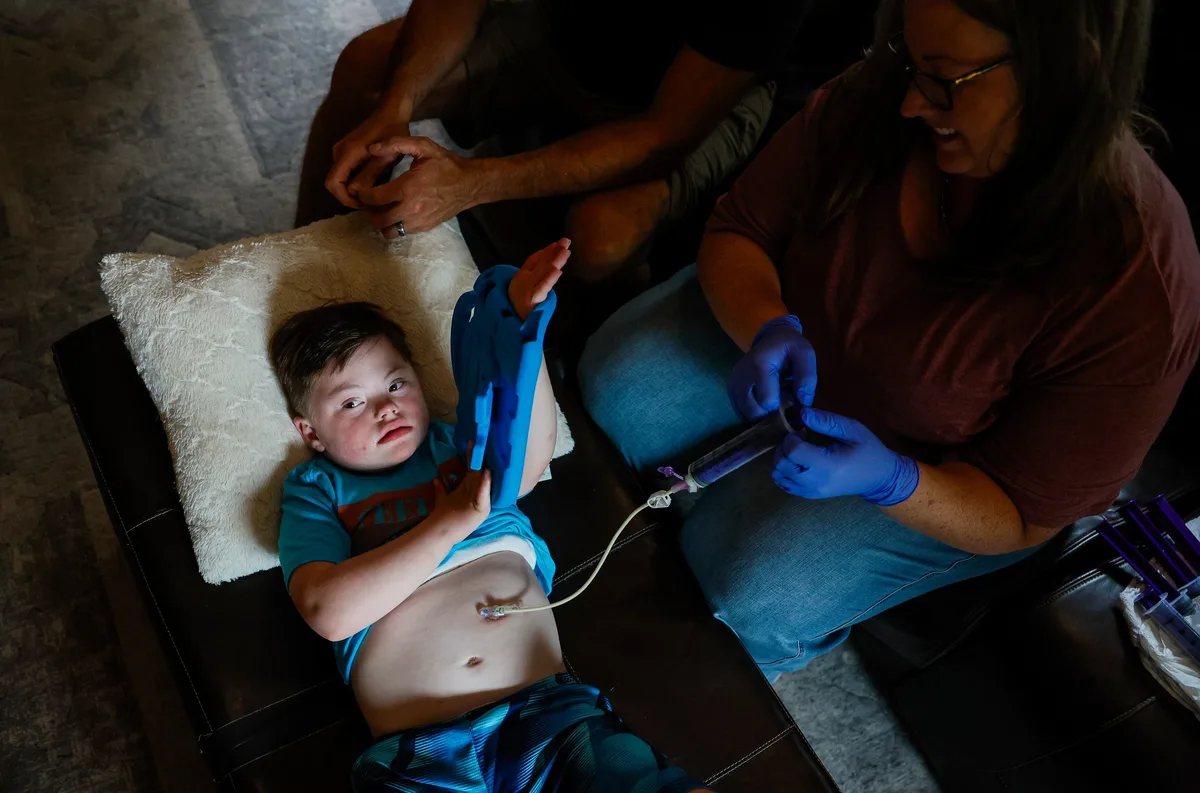
For a growing number of American families, the school building is simply not an option. Children with serious or chronic illnesses — conditions that make crowded classrooms a medical risk rather than a learning opportunity — are increasingly left in an educational gray zone, where the legal right to schooling exists on paper but meaningful instruction often does not.
Parents in this situation, as reported by the Boston Globe's Steph Machado, are not passively accepting the status quo. They are organizing, advocating, and in some cases pursuing legal channels to compel school districts to deliver a substantive education to children who are homebound due to illness. The core tension is familiar to disability-rights advocates: public schools are obligated to serve all students, yet the infrastructure and political will to serve medically fragile children at home remains inconsistent at best.
Read more Russia Plague Scare: Lab Worker Death Triggers Mass Observation →
The broader implications are significant. When a child misses months or years of structured instruction during critical developmental windows, the academic and social consequences can compound over time. Home instruction programs, where they exist, vary wildly in quality and hours offered — a disparity that often tracks with a district's resources and a family's ability to advocate loudly enough to be heard.
What these parents are fighting for goes beyond tutors a few hours a week. They want parity: the same rigor, continuity, and accountability that any student sitting in a classroom would receive. That demand is increasingly difficult for school administrators to dismiss, particularly as federal disability and education law provides at least a partial legal foundation for their claims.
The fight reflects a wider reckoning in American education about who the system is actually built to serve — and who gets left out when the standard model doesn't fit. Continue reading at bostonglobe.