Marvell Shares Drop 6% as Fiscal 2028 Outlook Disappoints
Strong Q2 revenue growth of 37% wasn't enough to satisfy investors after Marvell's longer-term guidance fell short of Wall Street expectations.
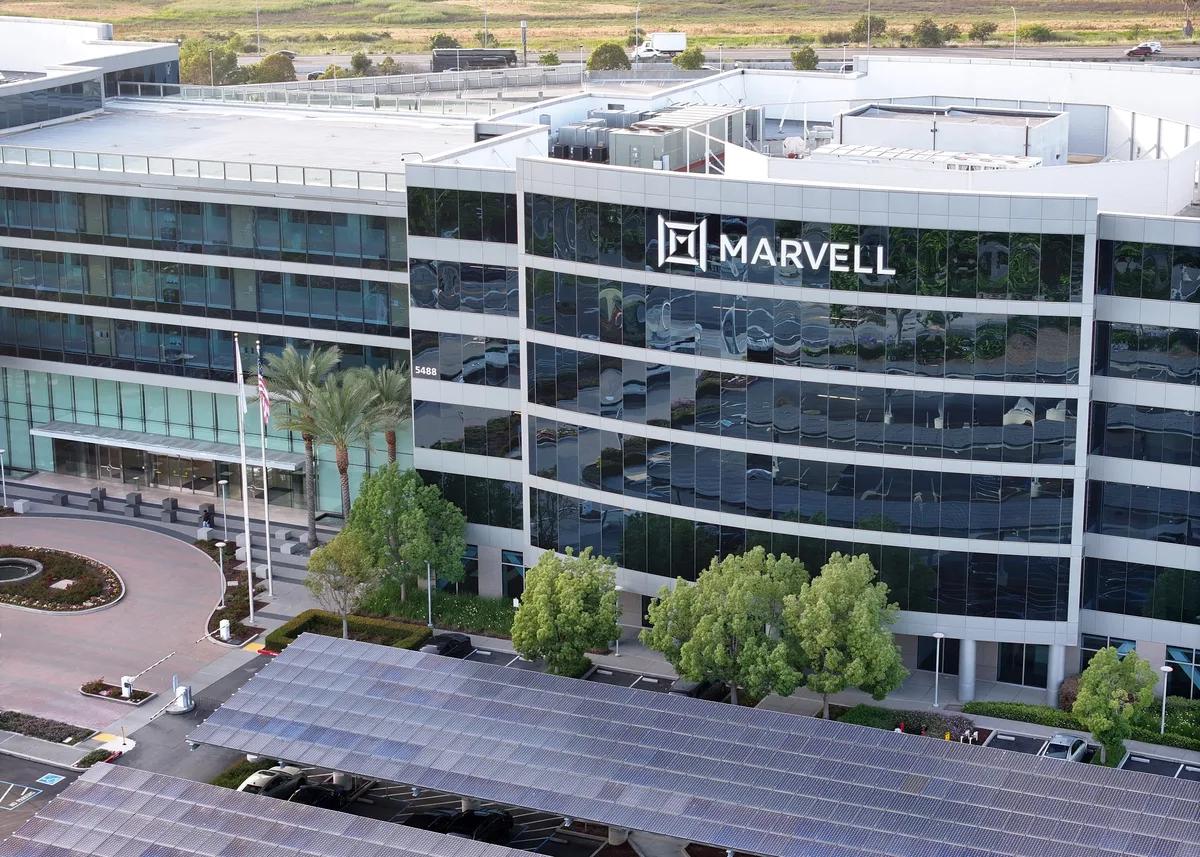
Marvell Technology found itself in a familiar Wall Street paradox on Friday: posting robust revenue growth only to watch its stock slide because the future looked less impressive than the present. Shares fell roughly 6% after the chipmaker reported second-quarter results that beat expectations on the top line, yet failed to generate the enthusiasm that increasingly demanding investors require in today's AI-driven semiconductor environment.
The 37% revenue expansion Marvell delivered would be the envy of most technology companies, but in a sector where growth trajectories matter as much as current performance, the market's reaction reflects a deeper anxiety. When a company's fiscal 2028 outlook underwhelms, it signals to investors that near-term momentum may not compound at the rate they had priced into the stock — a particularly punishing dynamic for high-multiple tech names where future earnings carry enormous weight in valuations.
Read more Hecate Energy Eyes Nasdaq Debut Under 'HCTE' After Lender Disputes Resolved →
The episode underscores how elevated expectations have become for semiconductor companies riding the artificial intelligence infrastructure wave. Marvell, which has positioned itself as a key supplier of custom AI chips and data-center networking solutions, operates in a space where analysts and fund managers have set exceptionally high bars. A revenue beat that would have triggered a rally in another era now risks being dismissed as insufficient if forward guidance doesn't match the narrative.
For long-term investors, the selloff may represent noise rather than signal — a distinction worth monitoring as Marvell continues to build out its AI-related product pipeline. Whether Friday's decline proves to be an overreaction or an early warning about the company's competitive positioning will likely become clearer as the semiconductor cycle matures and demand patterns for custom silicon solidify.
Continue reading at US Top News and Analysis