Corn and Wheat Prices Surge to Three-Year Highs for Different Reasons
Corn and wheat futures have climbed to their highest levels in over three years, though the drivers behind each commodity's rally differ markedly.
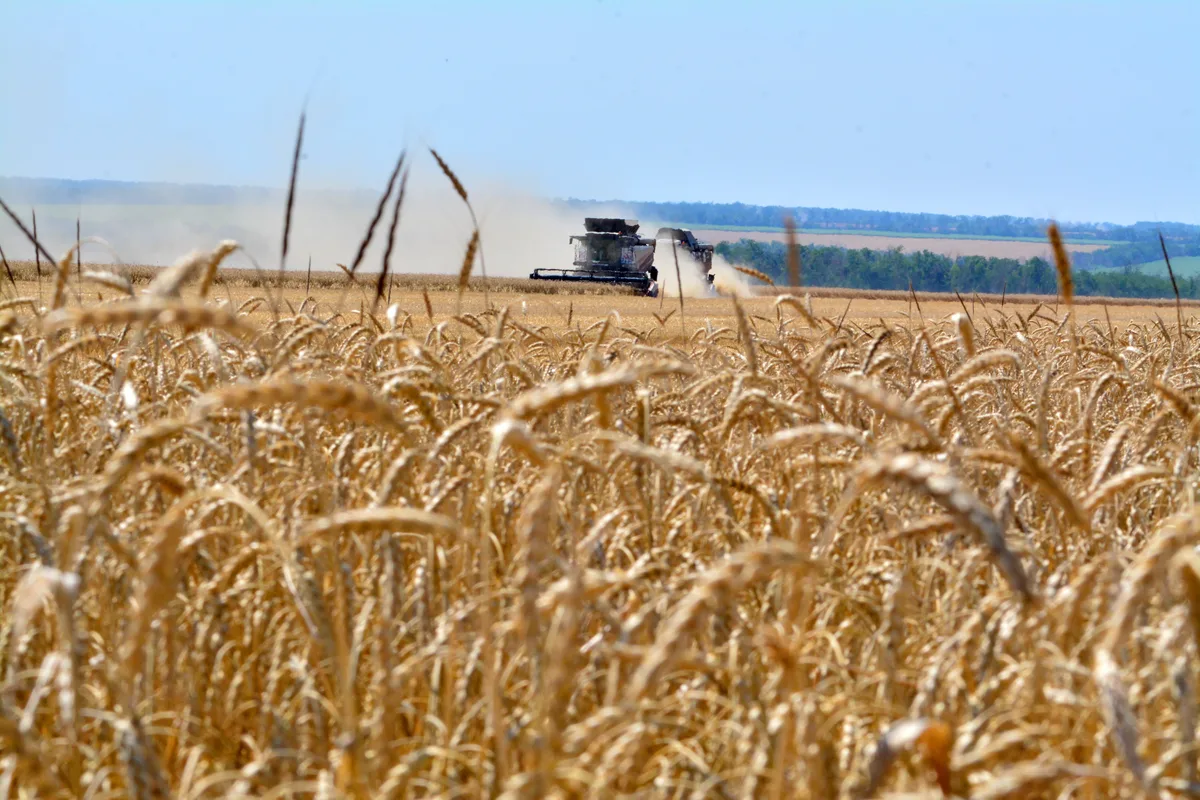
Grain markets are flashing signals that haven't been seen in years. Both corn and wheat futures have pushed to their highest price levels in more than three years, drawing attention from traders, food producers, and policymakers alike. Yet despite the superficial similarity of their price moves, the forces propelling each commodity upward appear to be distinctly separate — a nuance that matters enormously for understanding where markets may head next.
When two major agricultural commodities rise simultaneously but for different reasons, it complicates the conventional narrative of a broad commodity supercycle. It also suggests that supply-side shocks, demand shifts, and geopolitical pressures may be operating independently across different corners of the grain complex rather than as a single, unified wave. For consumers and food manufacturers already navigating elevated input costs, simultaneous rallies in both crops compound the challenge regardless of their underlying causes.
Read more Marvell Shares Drop 6% as Fiscal 2028 Outlook Disappoints →
Corn and wheat are foundational ingredients across the global food supply chain, feeding livestock, fueling ethanol production, and supplying the flour behind countless staple foods. Price surges at the futures level have a well-documented tendency to filter through to grocery shelves and restaurant menus over time, making these moves consequential far beyond the trading floor. The divergence in rally drivers also implies that resolution for one market may not bring relief to the other, prolonging uncertainty for buyers who depend on both.
Analysts and market participants will be watching closely to determine whether these elevated price levels represent a durable repricing of grain commodities or a temporary spike driven by short-term disruptions. The answer to that question carries significant implications for agricultural planning, food-cost inflation, and broader economic sentiment heading into the remainder of the year.
Continue reading at US Top News and Analysis