Trump Renews Attack on Fed Rate Policy, Demands Lower Borrowing Costs
President Trump again accused Federal Reserve officials of political bias as he pushed for significantly lower U.S. interest rates.
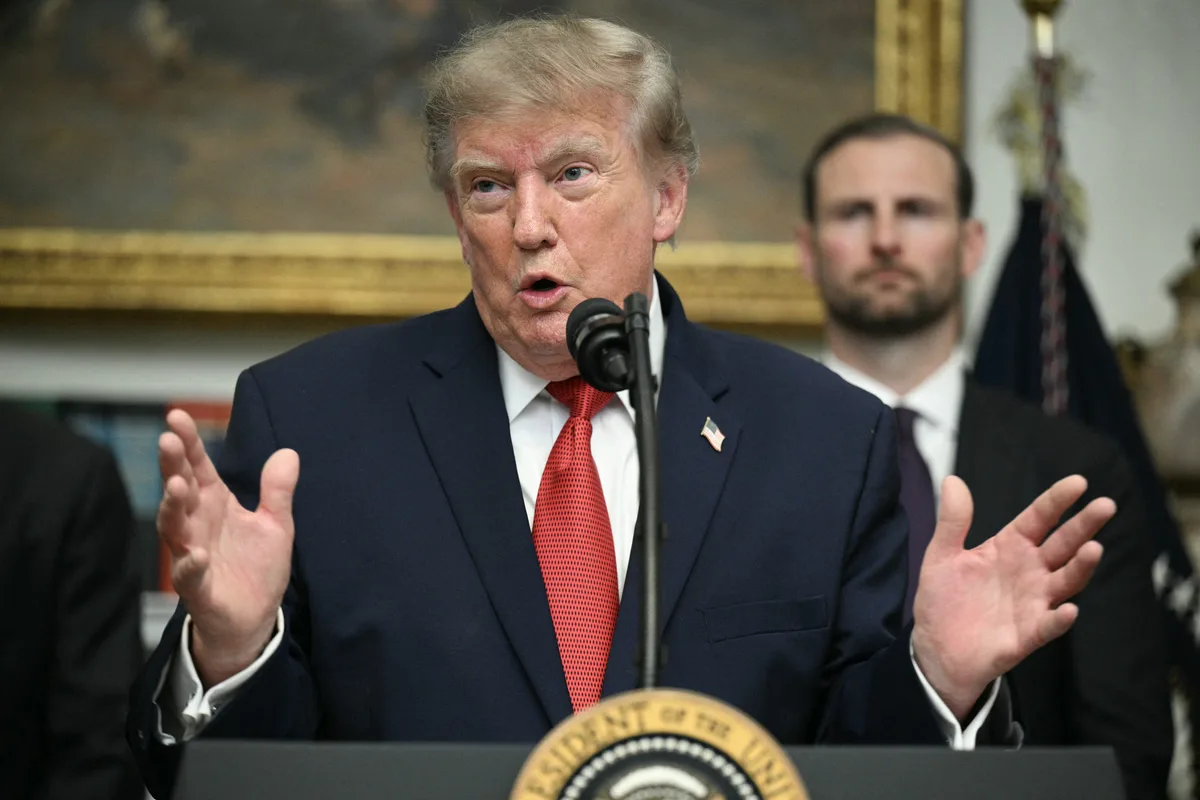
President Donald Trump has once again turned his rhetorical fire on the Federal Reserve, publicly lamenting the central bank's interest rate policy and arguing that the United States should be paying far less to borrow money. The remarks follow a well-established pattern in which Trump uses public pressure as a tool to influence monetary policy — a practice that puts him at odds with the long-standing norm of central bank independence.
At the heart of Trump's critique is a familiar charge: that Fed officials are driven not by economic data but by political considerations. By framing rate decisions as ideologically motivated rather than technocratic, Trump is effectively questioning the institutional credibility of the Fed — an argument that, whatever its merit, carries real weight in financial markets where confidence in the central bank's neutrality is foundational.
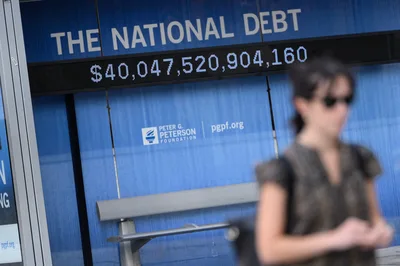
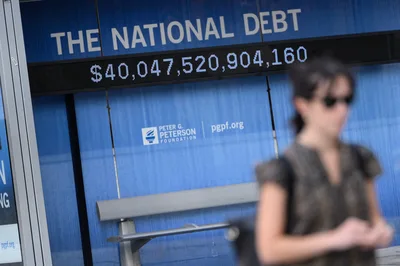
Read more U.S. National Debt Surpasses $40 Trillion, Doubling in Ten Years →
The tension between the White House and the Fed is not new, but its persistence matters. When presidents publicly pressure central bankers, it can complicate the Fed's ability to communicate clearly with markets about its inflation-fighting resolve. Investors watching this dynamic must weigh whether political friction could eventually constrain the Fed's room to maneuver, particularly at a moment when rate decisions carry enormous consequences for mortgages, business lending, and the broader economy.
What makes Trump's renewed pressure notable is its timing and tone. Central banks globally have been navigating a difficult post-pandemic inflation environment, and the Fed has held rates at elevated levels as it seeks to ensure price stability. Trump's push for dramatically lower rates reflects a fundamentally different set of priorities — prioritizing growth and cheap credit over the gradual, data-dependent approach the Fed has publicly committed to.
Whether this kind of executive pressure ultimately influences Fed decision-making remains an open and consequential question for markets and policymakers alike. Continue reading at US Top News and Analysis.