Young Chinese Choose Renting Over Buying, Challenging Beijing
China's youth are renting cameras, drones, and camping gear to save money, complicating government efforts to boost consumer spending.
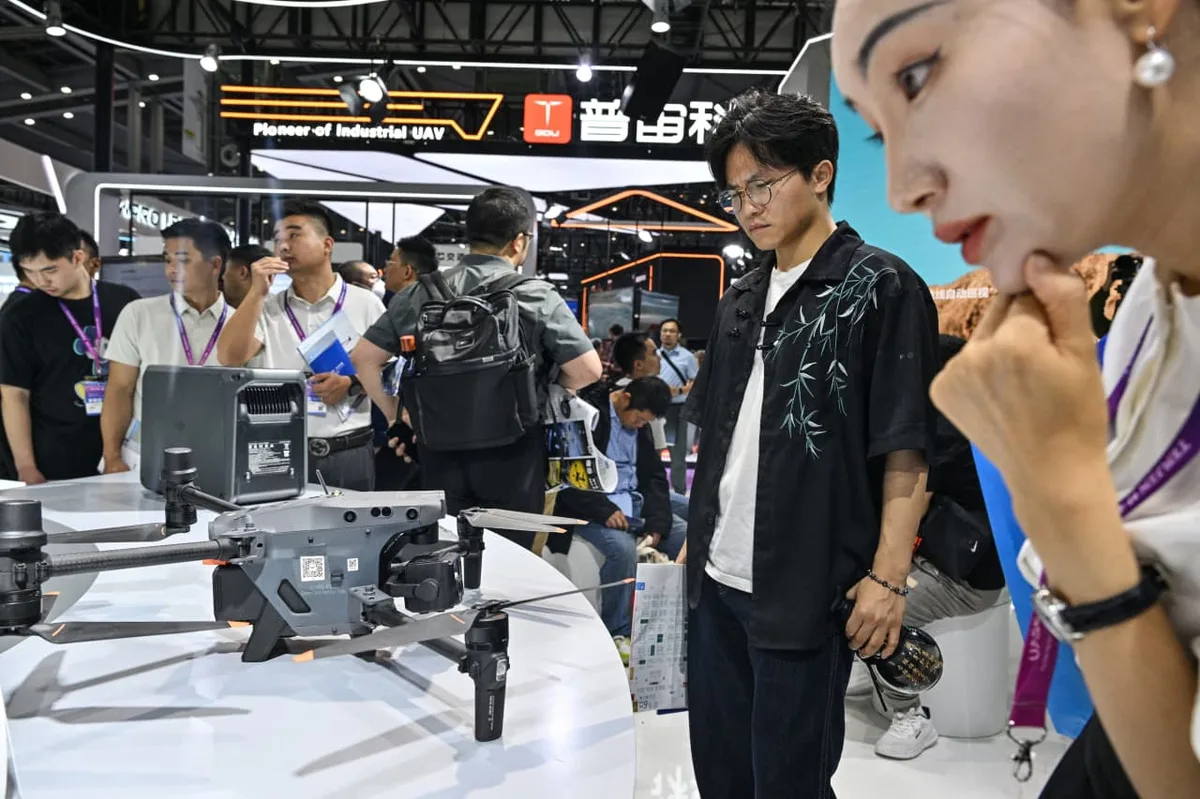
China's leadership has made reviving domestic consumption a central economic priority, particularly as export pressures mount and property sector weakness continues to drag on household wealth. But a quiet behavioral shift among younger Chinese is adding a new wrinkle to that ambition: instead of purchasing goods, they are renting them.
From cameras and drones to camping equipment, China's younger consumers are increasingly turning to rental platforms that allow access to products without the commitment — or cost — of ownership. The trend reflects a broader generational recalibration of what it means to spend wisely in an era of economic uncertainty, stagnant wage growth, and a volatile job market that has hit youth particularly hard.
Read more U.S. National Debt Surpasses $40 Trillion, Doubling in Ten Years →
For Beijing, the problem is structural. Consumer spending drives economic growth most effectively when people are buying goods outright, generating retail sales, tax revenue, and supply-chain activity. Rental transactions, by contrast, circulate fewer yuan through the broader economy and do little to reduce the high household savings rate that Chinese policymakers have long identified as a drag on domestic demand.
The rental preference is arguably a rational response to conditions young workers face: elevated youth unemployment, expensive urban housing, and lingering caution following the pandemic years. In that light, the trend is less a lifestyle choice than a symptom of deeper confidence deficits that fiscal stimulus alone may struggle to address. Policymakers hoping to engineer a consumption-led recovery may need to consider whether the preconditions for spending — stable income, affordable housing, and economic optimism — are themselves in need of repair.
Continue reading at MarketWatch.com