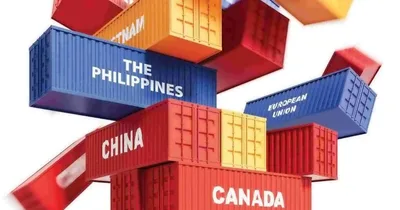
China's Real Currency Strategy: Not Replacing the Dollar
Beijing's goal isn't to crown the renminbi king. It's quietly dismantling dollar dependency—and it's already working.
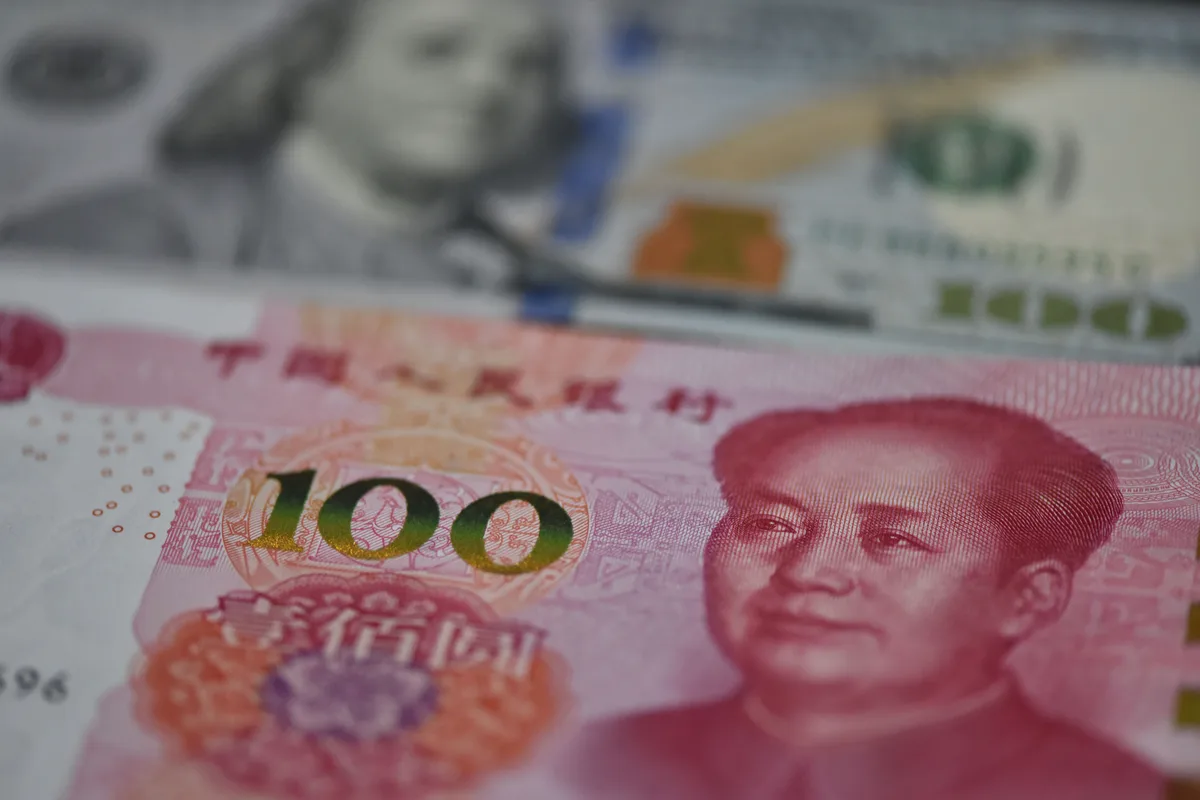
The conventional debate about global currency competition tends to fixate on a single dramatic question: will China's renminbi eventually dethrone the U.S. dollar as the world's reserve currency? That framing, while rhetorically satisfying, misses the actual strategic game Beijing is playing—and why that game is already yielding results.
China's approach is less about elevating its own currency to a position of supreme global dominance and more about methodically eroding the structural advantages the United States derives from dollar centrality. Those advantages are substantial: Washington can finance deficits cheaply, impose sanctions with devastating reach, and exert leverage over international trade simply because so much of it flows through dollar-denominated systems. Weakening that architecture, even partially, limits American power in tangible ways.
Read more State Fairs as Cultural Barometers: Unity Proves Elusive →
To that end, Beijing has pursued a multi-track strategy—expanding bilateral trade agreements settled in renminbi, deepening relationships with commodity exporters willing to price deals outside the dollar, and supporting alternative payment infrastructure that routes around U.S.-controlled financial rails. Each move individually may appear modest. Collectively, they represent a sustained campaign to give major economies viable off-ramps from dollar dependency whenever Washington attempts to weaponize its currency dominance through sanctions or financial pressure.
The distinction matters enormously for how policymakers and investors should interpret global monetary trends. A world where the dollar remains nominally dominant but is no longer the only viable option for large transactions is functionally different from today's dollar-centric order—even if no single rival currency ever claims the throne. Fragmentation, not replacement, is the operative concept. Beijing appears to understand this better than many Western analysts do.
Continue reading at US Top News and Analysis