Tariff Shake-Ups: What the Latest Trade Shifts Mean for the US Economy
New tariff developments are reshaping trade dynamics. Here's what businesses and consumers need to understand about the evolving landscape.
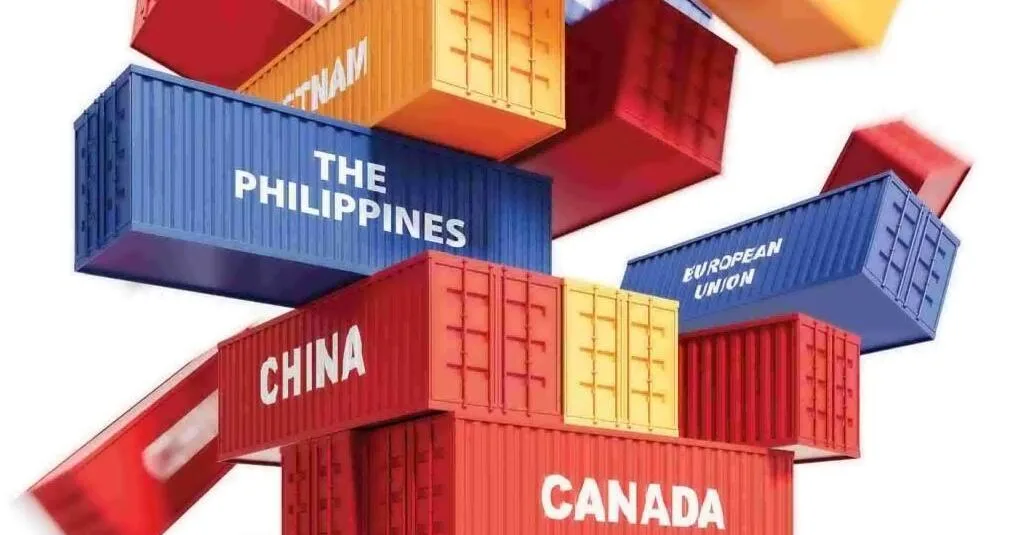
Trade policy rarely moves in a straight line, and the latest round of tariff adjustments is a reminder of how quickly the rules governing global commerce can shift beneath the feet of businesses and consumers alike. While the specific details of the Elko Daily's coverage remain behind a subscription paywall, tariff shake-ups of any magnitude carry real consequences — from the cost of imported goods on store shelves to the strategic decisions multinational firms make about their supply chains.
Tariffs function as a tax on imported goods, and when they change — whether rising to protect domestic industries or falling as part of a negotiated deal — the ripple effects move through the economy in ways that aren't always immediately visible. Manufacturers that rely on foreign components face higher input costs when duties increase, and those costs have a documented tendency to flow downstream to end consumers, squeezing household budgets over time.
Read more State Fairs as Cultural Barometers: Unity Proves Elusive →
At a broader level, tariff volatility creates an environment of uncertainty that can suppress business investment. Companies weighing whether to expand production capacity or enter new markets are acutely sensitive to the prospect that trade rules could shift again before a project recoups its costs. That hesitancy, multiplied across thousands of firms, can act as a quiet drag on economic growth even when headline numbers appear stable.
The policy conversation around tariffs also rarely exists in isolation. Decisions made in Washington about import duties are frequently entangled with diplomatic relationships, domestic political pressures, and the competitive strategies of trading partners who may respond in kind. Understanding a tariff announcement, then, requires reading it as part of a larger geopolitical and economic chess match — not simply as a line item in a federal register.
Continue reading at elkodaily for the full details and local economic context behind these tariff developments.