Why the Japanese Yen's Trajectory Could Shake Your Stock Portfolio
A potential Japanese currency intervention is sending warning signals to U.S. equity investors who may not realize how exposed they are.
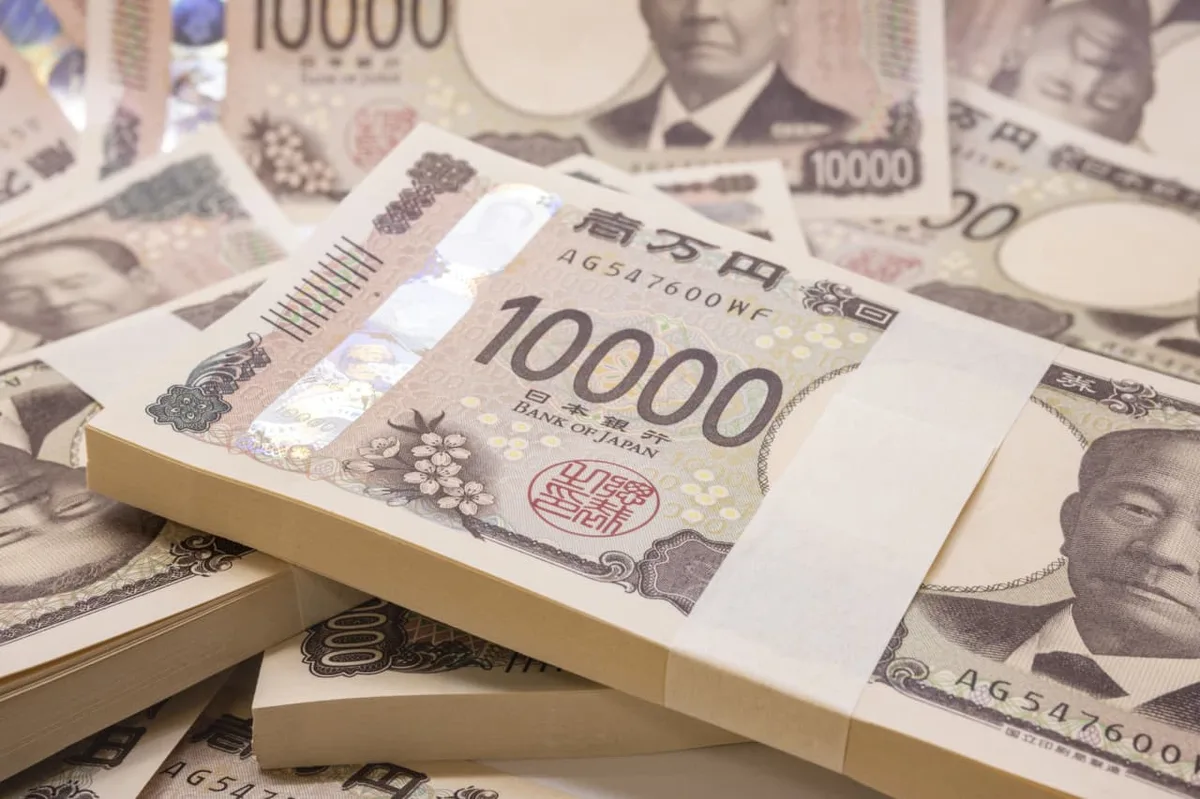
Most American investors don't think of the Japanese yen when reviewing their stock portfolios, but the currency has quietly become one of the more consequential macro variables influencing U.S. equity markets. The relationship isn't incidental — it runs through decades of global capital flows, carry trades, and the way international money moves in and out of risk assets.
The yen carry trade sits at the center of this dynamic. Investors borrow in yen at Japan's historically low interest rates, then deploy that capital into higher-yielding assets elsewhere — including U.S. equities. When the yen weakens, the trade becomes more profitable and risk appetite tends to expand. When the yen strengthens sharply, or when Japanese authorities signal they may intervene to support the currency, that dynamic can unwind with remarkable speed, forcing rapid selling across global markets.
Read more IBM Stock Suffers Historic Single-Day Drop on Earnings Miss →
A looming intervention by Japanese authorities represents precisely that kind of inflection point. Currency interventions create sudden, forced repricing events. Traders who have structured positions around a weak yen must recalibrate quickly, and the resulting portfolio adjustments don't stay contained to foreign exchange desks — they ripple into equities, bonds, and commodities simultaneously.
For everyday U.S. investors, the practical implication is that their domestic stock exposure carries an embedded sensitivity to Tokyo's policy decisions that rarely appears in standard risk disclosures. Diversification across asset classes and geographies is often cited as protection, but if multiple asset prices are moving in response to the same macro catalyst — yen volatility — that assumed diversification can erode at exactly the wrong moment.
Understanding the yen-equity linkage doesn't require becoming a currency trader, but it does demand that investors pay closer attention to signals emanating from Japan's central bank and finance ministry than they may have in the past. Continue reading at MarketWatch.com.