Jim Cramer: AI Market Fears Don't Match Dot-Com Bubble Reality
CNBC's Jim Cramer argues today's AI-driven market enthusiasm is fundamentally different from the late-1990s dot-com bubble.
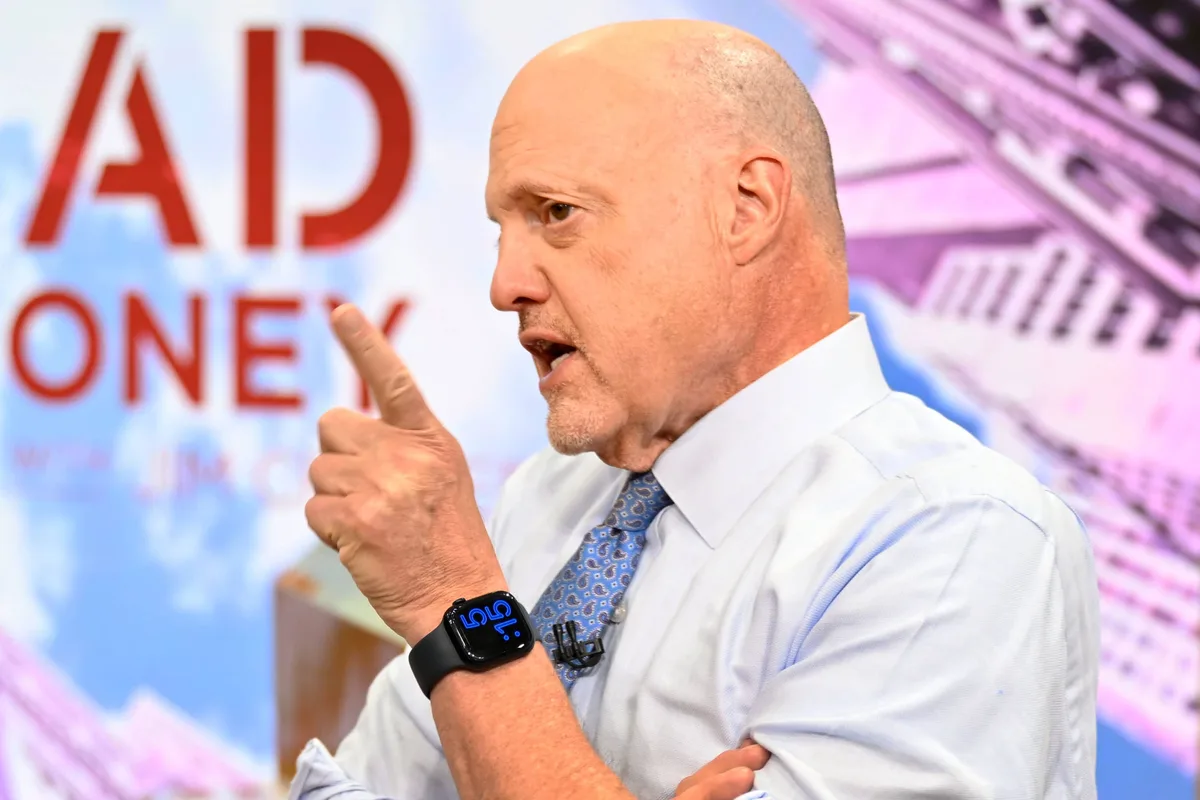
As artificial intelligence continues to fuel a surge in technology stocks, some investors and analysts have grown increasingly anxious about the possibility of speculative excess. CNBC's Jim Cramer is pushing back on that narrative, contending that the current climate is meaningfully different from the conditions that led to the dot-com collapse of the early 2000s.
Cramer's argument centers on a distinction that market historians often emphasize: the dot-com era was defined by companies with little to no revenue, sky-high valuations detached from any rational business model, and a flood of retail speculation into names that had no path to profitability. By contrast, the companies leading today's AI rally are, in many cases, generating substantial revenues and demonstrable earnings — a structural difference that matters when assessing systemic risk.
Read more IBM Stock Suffers Historic Single-Day Drop on Earnings Miss →
The concern about AI market froth is not without precedent or logic. Rapid run-ups in sector valuations, concentrated gains in a handful of mega-cap names, and enthusiasm that sometimes outpaces near-term earnings reality are all legitimate signals worth monitoring. But Cramer's pushback reflects a broader debate among market professionals about whether pattern-matching to the dot-com bubble is analytically sound or simply a reflexive caution born from historical trauma.
What makes this moment analytically interesting is that both sides of the argument contain truth. Valuations in AI-adjacent stocks are elevated by historical standards, and investor sentiment can shift quickly. Yet the underlying infrastructure buildout — data centers, chips, enterprise software — represents genuine capital deployment into productive assets, not the ephemeral promises that characterized many dot-com darlings. The market, as always, is a contest between narrative and fundamentals, and Cramer is firmly planting his flag on the fundamentals side.
Continue reading at US Top News and Analysis.