Why Staying Home Is No Longer the Budget-Friendly Option
Rising prices for streaming and gaming are eroding the cost advantage of at-home entertainment, a trend analysts are calling 'funflation.'
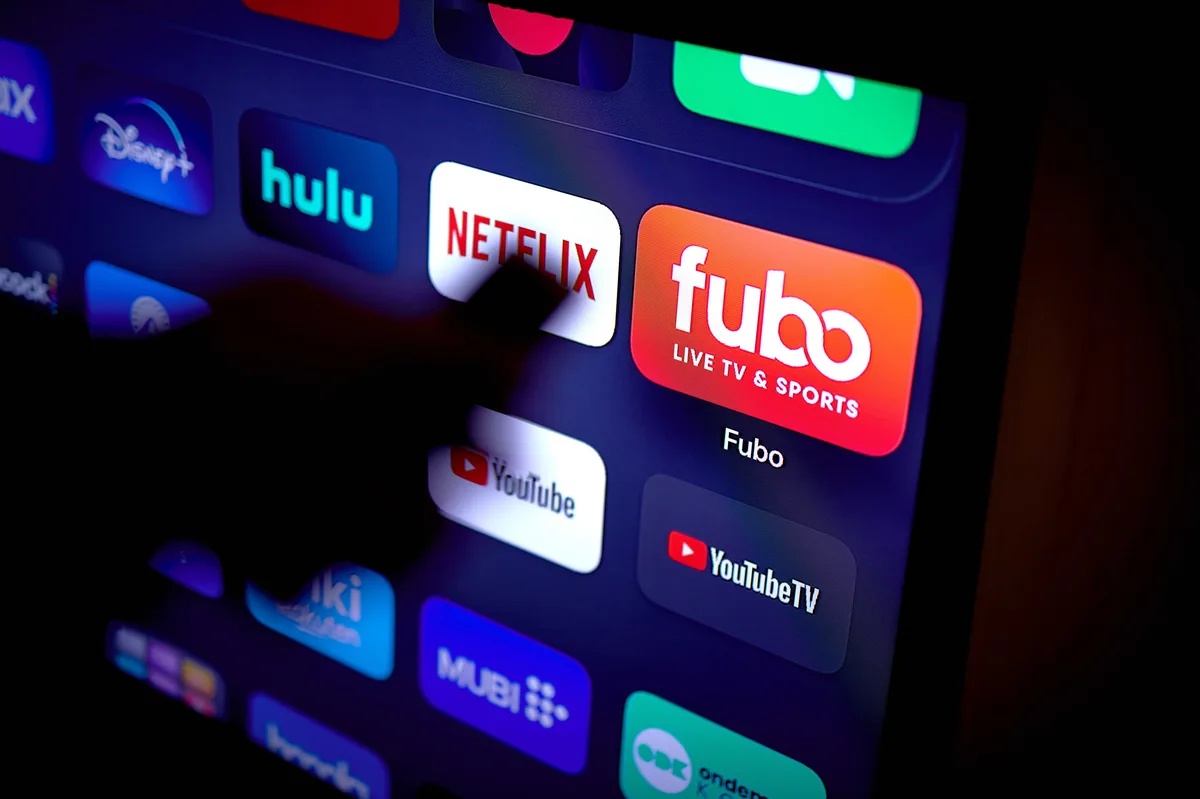
For years, the calculus was simple: staying in was the thrifty alternative to going out. A night on the couch watching streaming movies or playing video games cost a fraction of dinner and a show. That equation is rapidly changing, as a sustained wave of price increases reshapes the economics of at-home leisure in ways that are beginning to mirror the inflation pressures consumers already feel at restaurants and theaters.
The phenomenon, increasingly referred to as 'funflation,' captures how entertainment costs — once considered a refuge from broader price pressures — have climbed sharply enough to register in household budgets. Streaming platforms have repeatedly raised subscription fees, while the gaming industry has pushed software prices higher. What was once a cost-conscious lifestyle choice is becoming a meaningful line item for families already stretched by years of broader inflationary pressure.
Read more Staying Home Is No Longer the Budget Option It Once Was →
The timing is significant. Many consumers retreated to at-home entertainment precisely because it seemed insulated from the inflation hammering other categories of spending. That buffer is now largely gone. The psychological effect may be as important as the financial one: when even the 'cheap' option starts feeling expensive, it signals a deeper erosion of consumer confidence and discretionary comfort.
Analysts watching household spending patterns note that this shift could reshape how Americans allocate leisure budgets going forward. If the price gap between staying in and going out continues to narrow, consumers may recalibrate their entertainment habits in unpredictable ways — spending less overall, trading down within categories, or rethinking subscription bundles that once seemed like obvious value. The convergence of at-home and out-of-home entertainment costs represents a structural change, not merely a temporary squeeze.
Continue reading at US Top News and Analysis.