Staying Home Is No Longer the Budget Option It Once Was
Rising prices for streaming and gaming are eroding the traditional cost advantage of at-home entertainment, a trend dubbed 'funflation.'
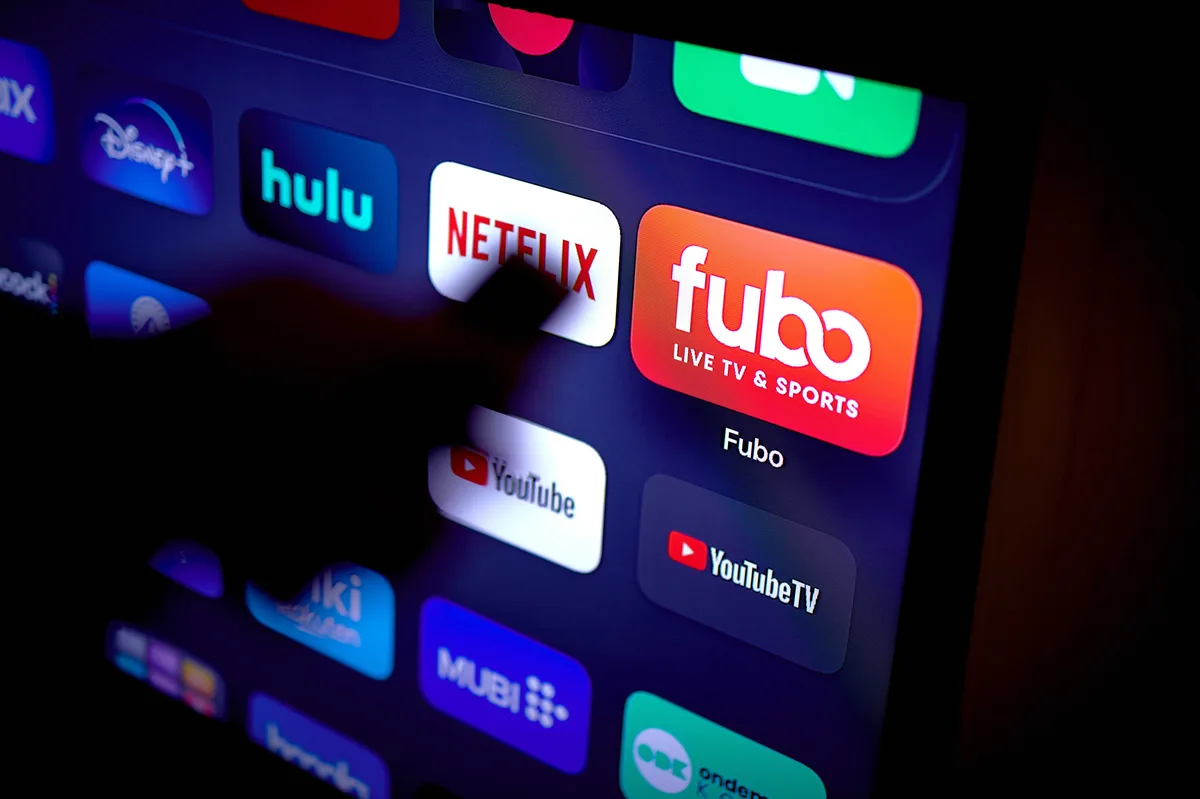
For years, the calculus was simple: skip the night out, stay home, save money. That logic is quietly unraveling. A phenomenon economists and consumer analysts are calling "funflation" — the steady inflation of leisure and entertainment costs — has reached deeply into living rooms, making at-home pastimes like streaming movies and playing video games noticeably more expensive than they were just a few years ago.
Streaming services, once marketed as an affordable alternative to cable, have undergone successive rounds of price increases across virtually every major platform. Subscription tiers have multiplied, ad-free options have grown pricier, and the era of a single low-cost monthly fee covering everything a household wants to watch has largely passed. Gaming, similarly, has seen the cost of new titles, online memberships, and in-app purchases climb steadily, making what once felt like a cheap hobby a more significant budget line item.
Read more Trump Accounts Explained: Eligibility, $1,000 Deposits, and How to Open One →
The broader implication is a shift in how households think about leisure spending. The traditional framing — going out is expensive, staying in is thrifty — no longer holds with the same reliability. Consumers are now navigating a landscape where both categories of entertainment carry real and rising costs, compressing the financial breathing room that at-home activities once reliably provided.
This matters especially for middle- and lower-income households that leaned on at-home entertainment as a deliberate cost-management strategy during periods of broader inflation. When that buffer shrinks, discretionary budgets face pressure from multiple directions simultaneously, leaving fewer low-cost options to absorb the strain.
Continue reading at US Top News and Analysis.