What SpaceX's Stock Debut Signals for Nvidia and Google
SpaceX shares went public amid volatile trading, but major stakeholders like Nvidia and Google posted notable paper gains.
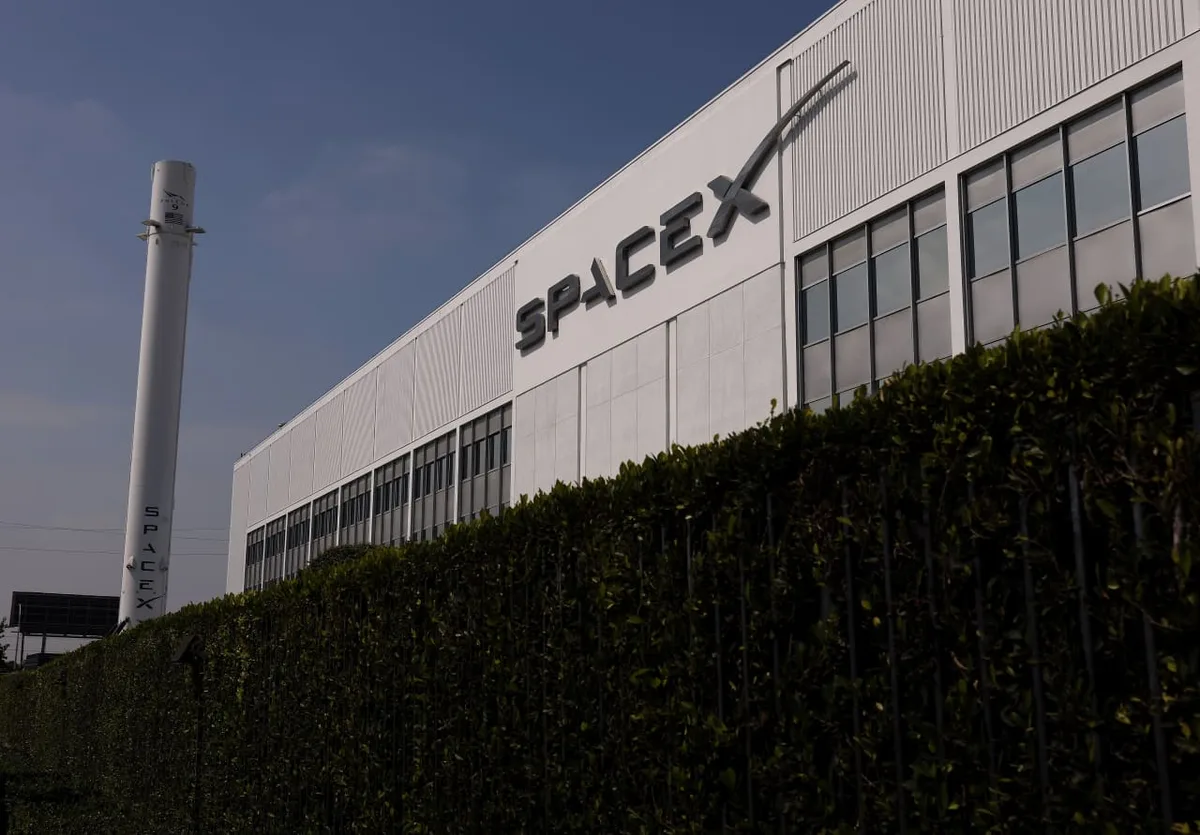
When a private behemoth finally opens its books to public markets, the ripple effects reach far beyond its own balance sheet. SpaceX's transition to publicly traded status has done exactly that, generating meaningful paper gains for a roster of high-profile corporate investors — including Nvidia and Google — whose early or strategic stakes in the rocket company are now reflected in observable market prices.
The gains, however, come with an important asterisk. Trading in SpaceX shares has been notably volatile since the stock began changing hands, a reminder that newly public companies — particularly those with unconventional business models spanning aerospace, satellite internet, and defense contracts — rarely find stable pricing immediately. Volatility at launch is the norm, not the exception, and sophisticated investors in this space tend to look past early turbulence toward longer-term valuation anchors.
Read more The Dow Has a Near-Even Chance of Double-Digit Gains in 2025 →
For Nvidia and Google, the SpaceX position represents something more strategically layered than a simple financial bet. Both companies operate deep within the infrastructure of the artificial intelligence and cloud computing ecosystems that increasingly depend on low-latency satellite connectivity — precisely the service SpaceX's Starlink division provides. A rising SpaceX valuation therefore functions partly as a market endorsement of the broader thesis these technology giants have been quietly building around next-generation connectivity.
The paper gains are real in an accounting sense, but their ultimate value depends on whether SpaceX's public market story holds together as trading matures and institutional price discovery sets in. Investors watching Nvidia and Google should treat SpaceX's market debut less as a windfall headline and more as a data point about where deep-pocketed technology players see durable infrastructure value being created over the next decade.
Continue reading at MarketWatch.com