Walmart, Costco, Amazon Set to Gain From GLP-1 Drug Boom
Retail pharmacy giants stand to capture major market share as Americans increasingly seek GLP-1 weight-loss prescriptions directly.
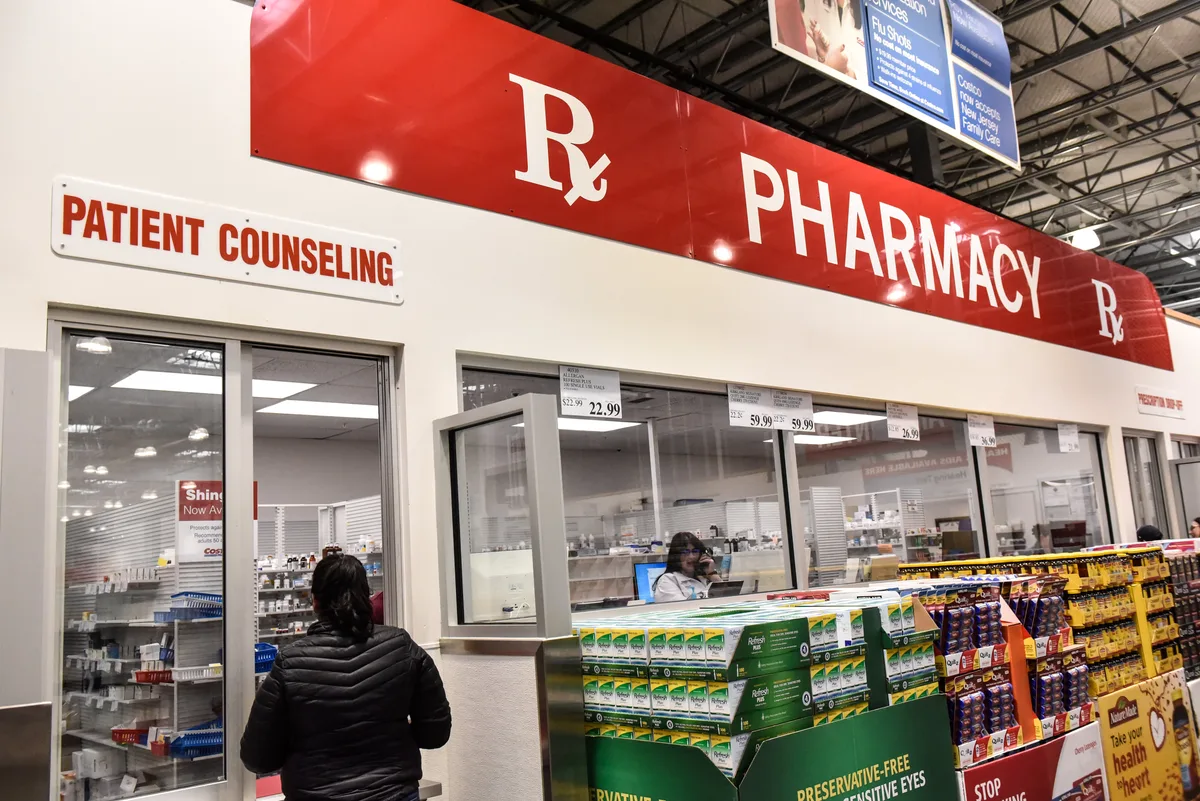
The rapid rise of GLP-1 weight-loss medications is reshaping how Americans access prescription drugs, and the biggest beneficiaries may not be traditional pharmacy chains or health insurers — they could be the retail and e-commerce giants already embedded in everyday consumer life. Walmart, Costco, and Amazon are all positioned to capitalize as patients increasingly bypass conventional healthcare gatekeepers and seek prescriptions more directly.
The shift reflects a broader consumer trend toward convenience-driven healthcare. Retail pharmacies operated by mass-market players offer competitive pricing, high foot traffic, and growing telehealth integrations that lower friction for patients pursuing GLP-1 therapies. For a drug class that requires ongoing, often long-term use, the ability to refill prescriptions during a routine shopping trip — or with a few clicks — carries enormous commercial significance.
Read more Xenon Pharmaceuticals Grants Equity to 11 New Hires Under Nasdaq Rule →
The implications extend well beyond pharmacy counters. As GLP-1 prescriptions scale, so too does demand for ancillary products — dietary supplements, fitness equipment, and food categories aligned with weight management. Retailers like Walmart and Costco, which operate across multiple consumer categories under one roof, are uniquely placed to capture that downstream spending. Amazon's pharmacy and health services infrastructure positions it similarly in the digital lane.
What makes this moment analytically significant is the convergence of drug accessibility, retail infrastructure, and shifting insurance dynamics. As more Americans seek these medications independently — rather than through employer-sponsored benefits — the retail channel becomes not just convenient but essential. The competitive pressure this places on standalone pharmacy chains and traditional pharmacy benefit managers could prove substantial over the coming years.
Continue reading at US Top News and Analysis