Synthesia CEO Built AI Video Empire Years Before the AI Boom
Victor Riparbelli founded Synthesia in 2017, long before AI went mainstream. Pivoting the business four years in proved to be the real challenge.
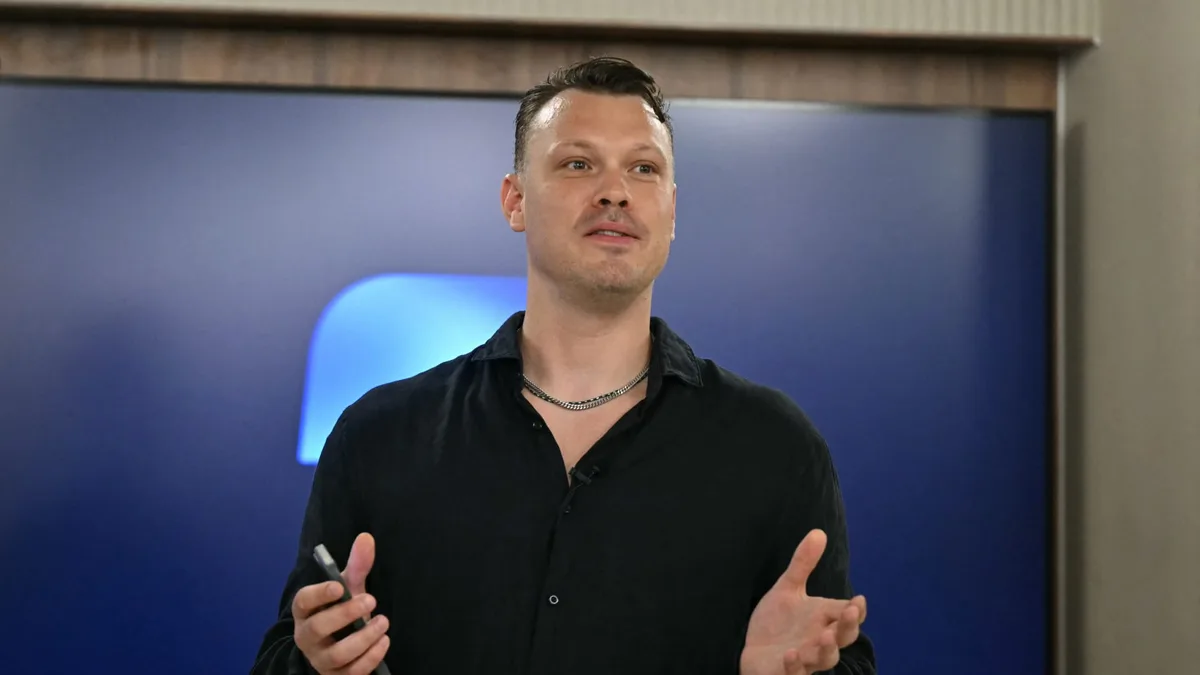
When Victor Riparbelli co-founded Synthesia in 2017, the concept of generating professional-quality video from a laptop felt like science fiction to most of the business world. ChatGPT was still five years away from reshaping public understanding of artificial intelligence, yet Riparbelli was already betting that synthetic video would become a mainstream corporate tool. That kind of early conviction is rare — and, as Riparbelli's story illustrates, it comes with a long and humbling runway before it pays off.
The original vision was sweeping: democratize video production so that anyone could effectively make a Hollywood-caliber film without a studio budget or a film crew. For roughly four years, however, Synthesia produced middling results. The technology was promising but the market fit was elusive, a familiar trap for founders who are early to a genuinely transformative idea. Being right about the future does not automatically translate into building the right product for the present.
Read more AI Infrastructure Spending Drains Cash Across Big Tech →
The turning point came when Riparbelli made a significant strategic pivot, refocusing the company's direction after those early years of uneven performance. The willingness to course-correct rather than double down on a failing approach is often what separates durable startups from cautionary tales. For Synthesia, that shift appears to have been the catalyst that unlocked real commercial traction and investor confidence.
Among those investors was Mark Cuban, whose decision to back Synthesia stands out as a signal moment — though Riparbelli has suggested that persuading Cuban was, surprisingly, not the hardest part of the journey. That framing is telling: for many founders, landing a marquee investor feels like the summit. For Riparbelli, the steeper climb was the internal work of rethinking the business itself before the broader AI wave arrived to validate the original thesis.
Synthesia's arc offers a pointed lesson for anyone watching the current AI investment frenzy. Timing the market is nearly impossible; surviving long enough for the market to catch up to your vision requires a different set of skills entirely — patience, adaptability, and the discipline to change course before momentum forces you to. Continue reading at CNBC.