US Ambassador Calls NATO Spending Tensions 'Growing Pains'
Ambassador Matthew Whitaker downplays alliance friction as Trump pushes NATO allies to increase defense budgets, framing it as manageable growing pains.
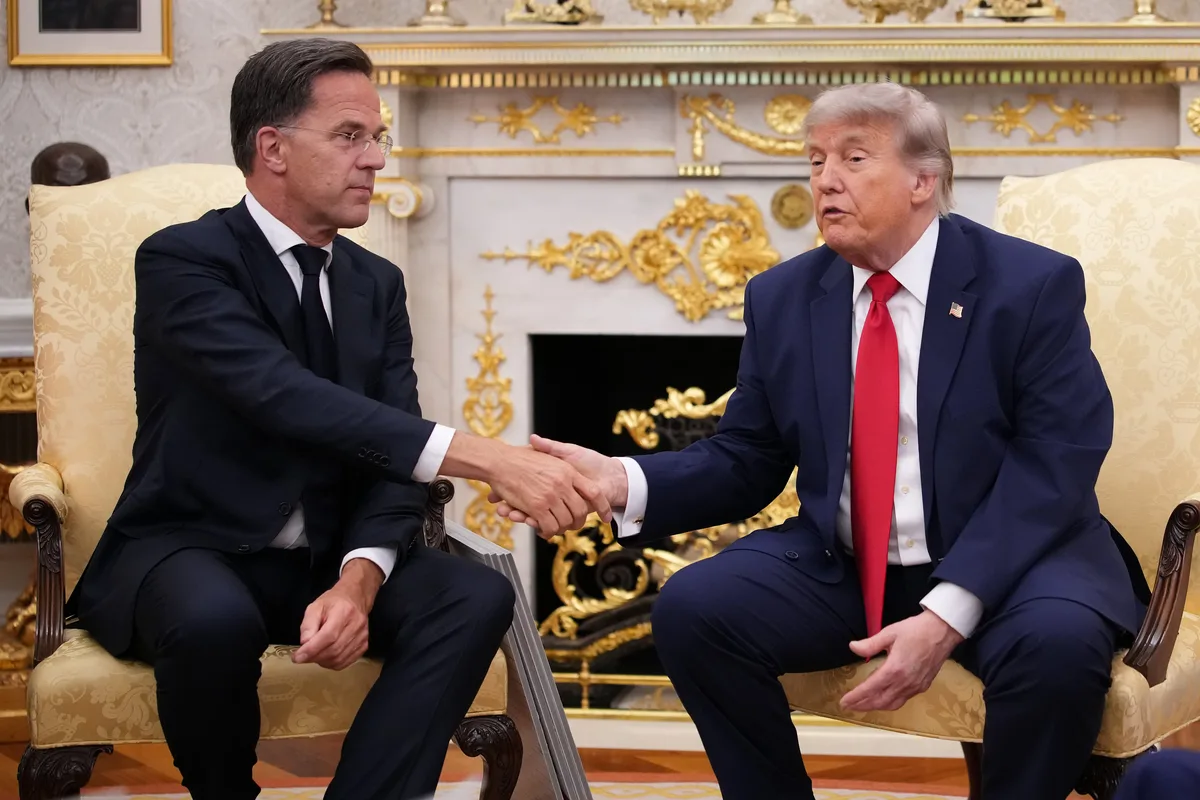
The diplomatic turbulence roiling the NATO alliance over defense spending is best understood as an adolescent phase rather than a structural rupture, according to U.S. Ambassador to NATO Matthew Whitaker. Speaking publicly as the Trump administration continues to press member states to increase their military budgets, Whitaker characterized the resulting friction as "growing pains" — a framing designed to project confidence in the alliance's long-term cohesion even as short-term tensions remain visible.
The characterization matters because language from senior American officials shapes how both allies and adversaries interpret the alliance's durability. By opting for a developmental metaphor rather than acknowledging genuine strategic disagreement, Whitaker signals that Washington views the pressure campaign not as punitive but as corrective — nudging partners toward burden-sharing commitments they arguably should have met years ago.
Read more Tehran Crowds Gather to Mourn Supreme Leader Khamenei →
Trump's longstanding criticism of NATO allies for underinvesting in their own defense predates his current term and has become a central feature of American alliance management. Several European members have already responded by announcing accelerated spending timelines, a dynamic that gives the administration grounds to claim the pressure is producing tangible results, even if it strains relationships in the process.
The deeper question analysts are likely to ask is whether reframing tension as growth obscures real divergences over strategic priorities, troop deployments, and the credibility of Article 5 commitments. Growing pains, after all, imply an eventual maturation — but that outcome is far from guaranteed when the underlying disagreements involve fundamental questions about collective security architecture in an era of renewed great-power competition.
Continue reading at US Top News and Analysis