Russia's Sberbank Eyes Crypto Wallet as Moscow Opens Market
Russia's largest bank is moving toward a crypto wallet launch as the Kremlin signals broader regulatory openness to digital assets.
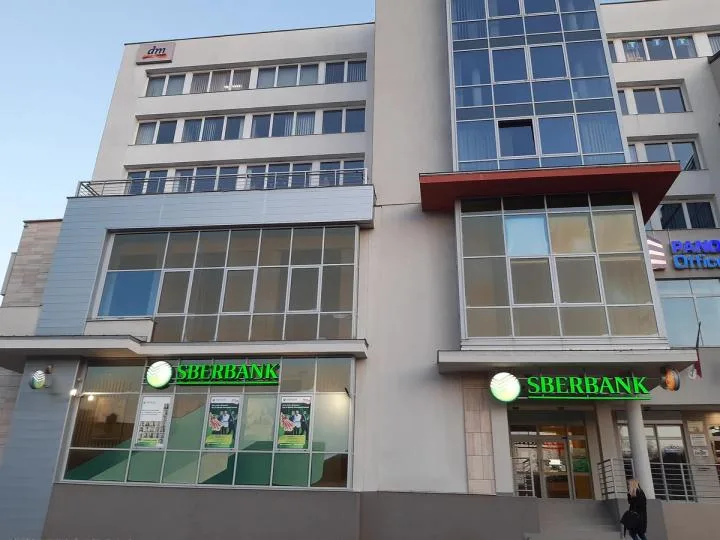
Russia's largest state-owned lender, Sberbank, is preparing to launch a cryptocurrency wallet, a move that signals a significant shift in how Moscow is choosing to engage with digital asset markets. The development comes as Russian authorities have steadily moved from outright skepticism toward a more structured, if tightly controlled, framework for crypto activity within the country's borders.
The timing is hardly accidental. Russia has faced sustained pressure from Western sanctions following its invasion of Ukraine, and digital assets have increasingly been discussed — both inside the Kremlin and among independent analysts — as one mechanism for navigating restrictions on cross-border payments and dollar-denominated transactions. A wallet product from Sberbank would represent institutional infrastructure, not merely toleration of retail speculation.
Read more Tehran Crowds Gather to Mourn Supreme Leader Khamenei →
What makes this moment analytically significant is the role of the state itself. Sberbank is not a nimble fintech startup experimenting at the margins; it is a systemically important institution with deep government ties. Its entry into crypto custody and transaction services would effectively legitimize the asset class for millions of Russian retail and commercial customers who have historically deferred to the bank's product ecosystem.
For global observers, the move raises pointed questions about the durability of sanctions architecture. If state-affiliated banks can build compliant-looking crypto infrastructure domestically, the line between regulated finance and sanctions evasion becomes harder to police from the outside. Western regulators and Treasury officials have long warned about this exact vector, and a Sberbank wallet would test those concerns in a concrete, public-facing way.
The broader Russian crypto market has been in a state of regulatory flux, with the Bank of Russia historically pushing for bans while the Finance Ministry favored regulation. The apparent resolution of that internal debate — in favor of a regulated market path — is what has cleared the runway for an institution like Sberbank to move forward. Continue reading at CoinDesk.