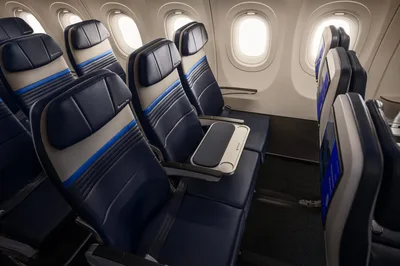
United Airlines Offers Paid Middle Seat Blocking on New Jets
United Airlines introduces a fee-based option to keep middle seats empty on its Airbus A321XLR fleet, adding to its growing menu of cabin upgrades.
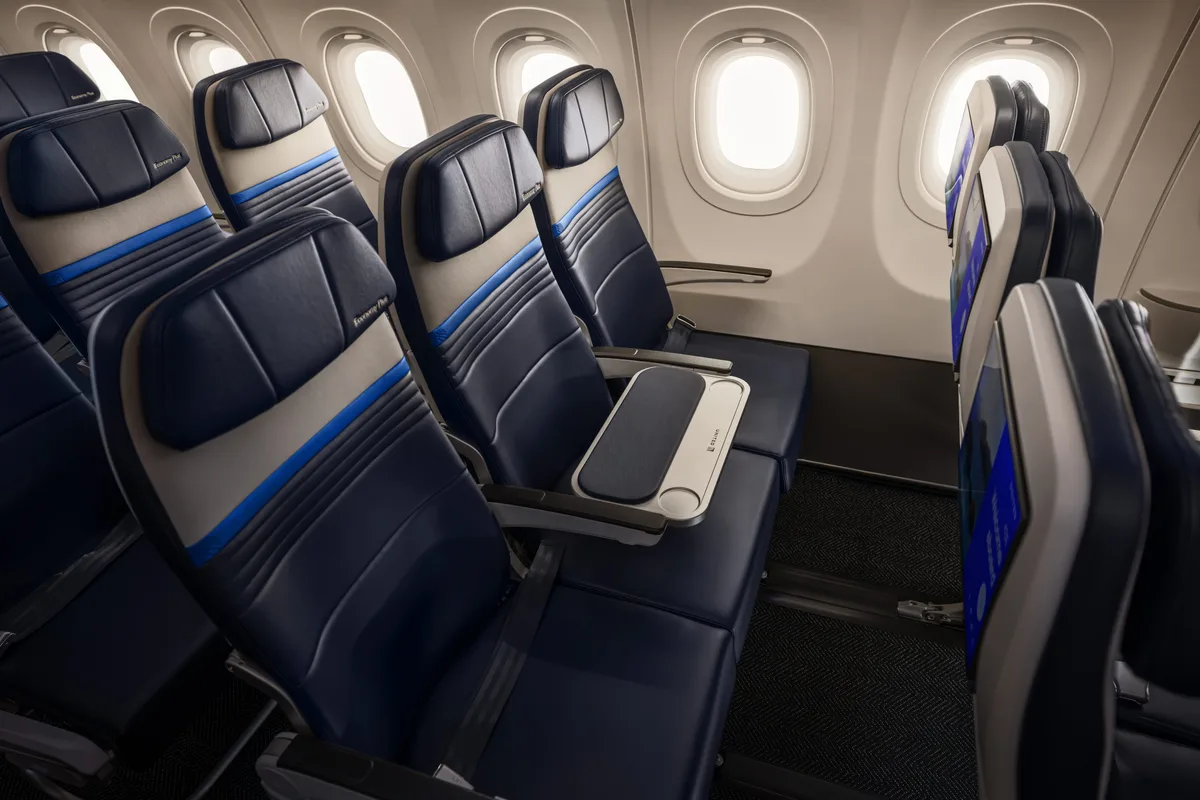
United Airlines is rolling out a new upsell feature that lets passengers pay to keep the middle seat next to them unoccupied — but only on a specific aircraft type. The option will be available on the carrier's Airbus A321XLR jets, the long-range narrowbody planes that United has been adding to its fleet for extended routes.
The move reflects a broader industry trend in which legacy carriers increasingly monetize personal space as a premium commodity. Rather than simply offering upgraded seats or more legroom, airlines are now selling the absence of a seatmate — a concept that budget carriers have experimented with but that major U.S. airlines have been cautious to formalize.
Read more Zoetis Expands Diagnostics Portfolio With VitalRADS Acquisition →
For United, the strategy fits neatly into its tiered ancillary revenue model, which already includes options ranging from basic economy restrictions to premium cabin perks. By attaching a price tag to empty adjacent seats, the airline transforms an operational variable — load factor — into a purchasable product. When flights are less than full, the airline can capture revenue it would otherwise forfeit; when demand is high, the option simply becomes unavailable.
The A321XLR is a meaningful platform for this debut. Designed for thinner long-haul routes that larger widebody jets cannot serve economically, the aircraft typically operates on longer domestic or transatlantic segments where passenger comfort over several hours carries greater weight. A middle seat on a six-hour flight is a meaningfully different proposition than one on a 90-minute hop, which may explain why United is piloting the concept here rather than across its entire narrowbody fleet.
Whether this pricing innovation spreads to other United aircraft — or prompts rivals like Delta and American to follow — will depend on how aggressively travelers adopt it. Continue reading at US Top News and Analysis.