Meta Faces Lawsuit Over AI-Driven Layoffs and Disability Bias
Current and former Meta employees allege the company used AI to conduct layoffs in ways that discriminated against workers, raising broader workforce equity concerns.
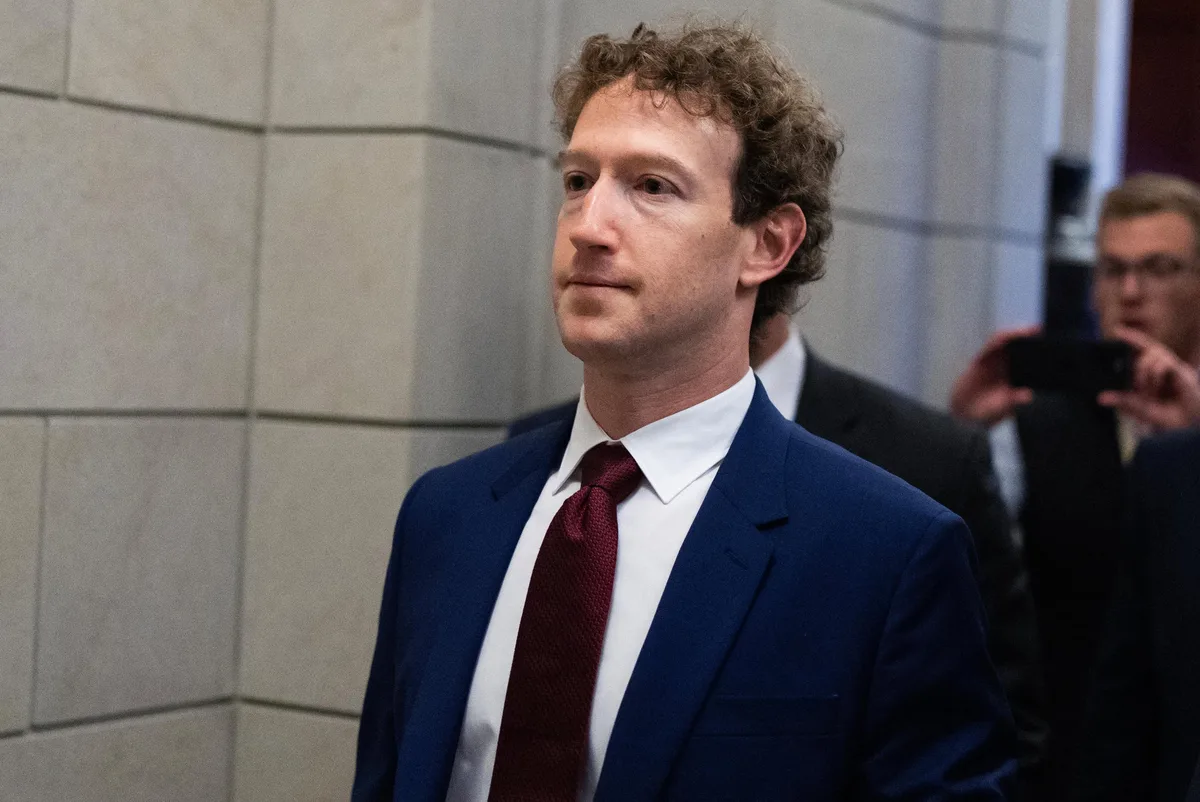
A lawsuit filed by current and former Meta employees is drawing fresh attention to one of the more uncomfortable questions hanging over the artificial intelligence boom: what happens when algorithms make — or meaningfully influence — decisions about who loses their job? The plaintiffs allege that Meta's use of AI in its layoff process resulted in discriminatory outcomes, particularly affecting employees with disabilities, according to reporting from US Top News and Analysis.
The case arrives at a moment when major technology companies have leaned heavily on workforce reductions to satisfy investor pressure for leaner operations, and when AI tools are increasingly being marketed to HR departments as efficiency accelerators. Critics have long warned that automated systems trained on historical data can encode and amplify existing biases, a problem that becomes acutely serious when those systems are deployed in high-stakes employment decisions.
Read more Zoetis Expands Diagnostics Portfolio With VitalRADS Acquisition →
For workers with disabilities, the stakes are especially high. Anti-discrimination law in the United States — including the Americans with Disabilities Act — requires that employers make reasonable accommodations and that adverse employment actions not be driven by protected characteristics. If an AI system weighs performance metrics or availability patterns without accounting for disability-related accommodations, plaintiffs argue, the result can be facially neutral but structurally discriminatory.
The lawsuit against Meta is unlikely to be an isolated legal challenge. As AI-assisted HR tools proliferate across industries, employment lawyers and civil rights advocates anticipate a wave of similar claims testing how existing anti-discrimination statutes apply to algorithmic decision-making. Regulators and courts will ultimately need to determine who bears legal responsibility when a machine — rather than a human manager — is the proximate cause of a discriminatory outcome.
Continue reading at US Top News and Analysis.