Uber and Waymo Clash Over AV Labor Policy in Washington
A deepening rift between Uber and Waymo is playing out in D.C., where a pivotal labor dispute over autonomous vehicle deployment is taking shape.
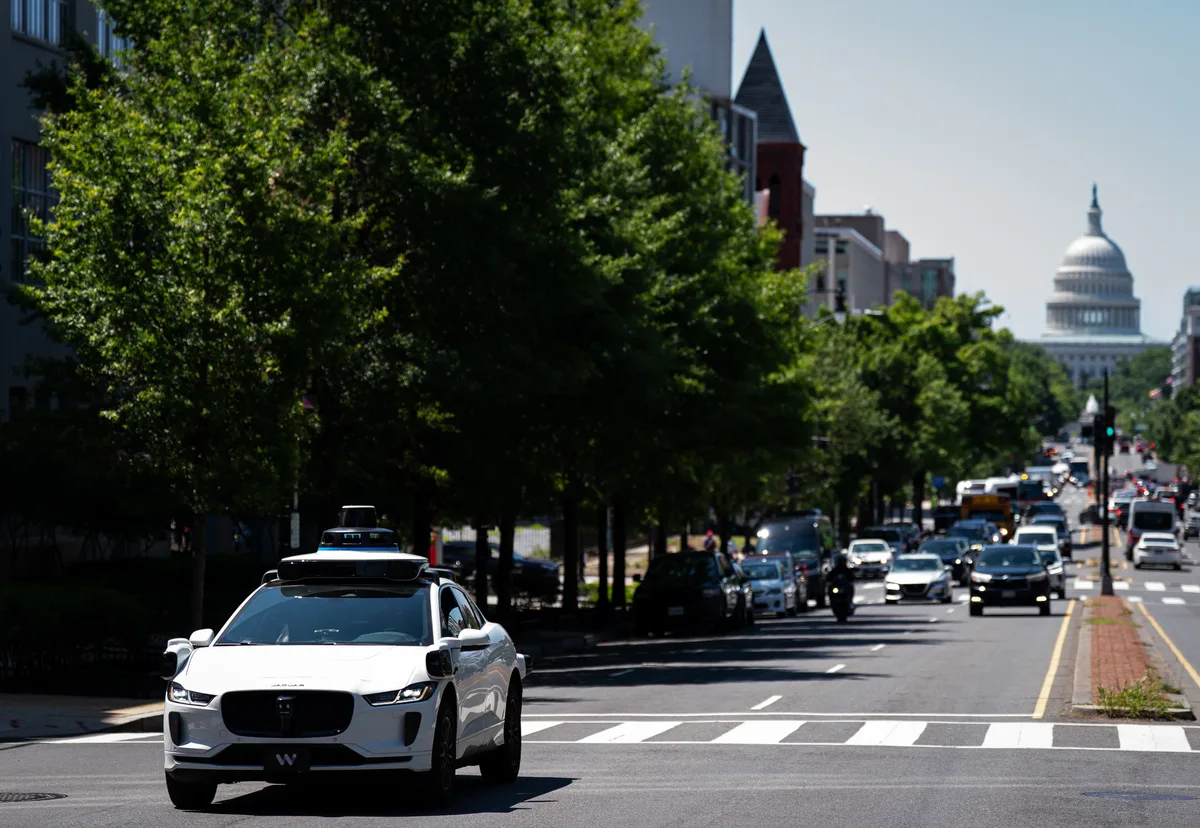
The partnership between Uber and Waymo, once seen as a potential template for how ride-hailing platforms and autonomous vehicle developers might coexist, is showing significant signs of strain. At the center of this tension is a labor policy battle unfolding in Washington, D.C., that could set precedents for how self-driving technology is deployed at scale across the country.
The disagreement reflects fundamentally divergent interests. Waymo, backed by Alphabet, is pushing aggressively toward mass deployment of fully driverless robotaxis — a model that, by design, eliminates the human driver from the equation entirely. Uber, meanwhile, still depends on its vast network of gig workers and has compelling financial and political reasons to move more cautiously on any policy framework that might accelerate their displacement.
Read more Manhattan DA Moves to Drop Olympian Case Over Reflecting Pool Damage →
Washington, D.C. has emerged as a critical battleground precisely because federal and local regulatory decisions made there will ripple outward to every other market. How policymakers define labor obligations — whether AV operators owe anything to the workers their technology displaces — could determine whether autonomous vehicles expand rapidly or face sustained political resistance in American cities.
The split between the two companies is more than a business rivalry; it is a proxy war over who shapes the rules of a transportation economy in transition. Waymo's vision is one of frictionless, driverless mobility. Uber's calculus is more complex, balancing technological ambition against the livelihoods of the millions of drivers whose labor still underlies its business model and whose political goodwill it cannot easily afford to lose.
This emerging conflict illustrates how the autonomous vehicle industry's most consequential battles may not play out on public roads, but in legislative chambers and regulatory hearings where the economic stakes are just as high. Continue reading at US Top News and Analysis.