Trump Administration Seeks Supreme Court Backing on Mail-In Vote Limits
The White House is asking the Supreme Court to revive mail-in voting restrictions blocked by a federal appeals court in 23 states.
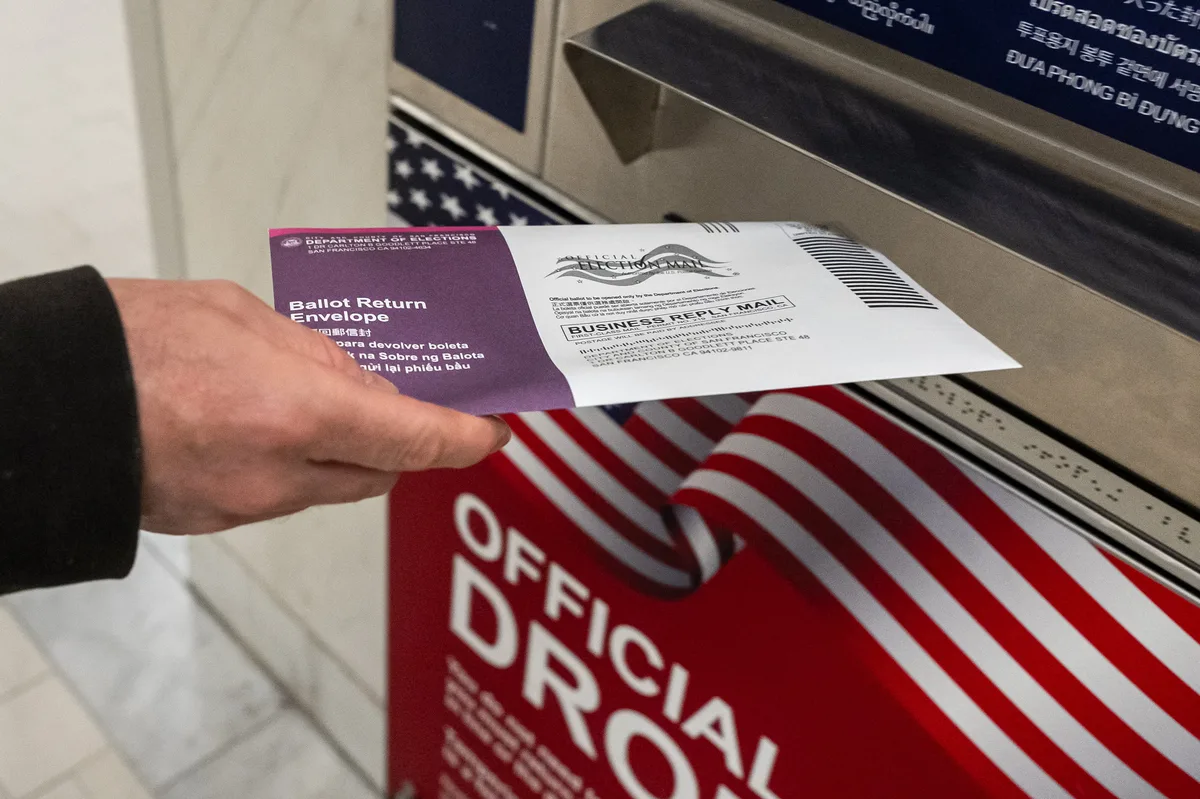
The Trump administration has escalated a legal fight over mail-in voting restrictions, formally requesting that the Supreme Court step in after a federal appeals court moved to keep the contested rules blocked across 23 states. The case represents one of the more consequential voting-rights disputes to reach the nation's highest court in recent memory, with the administration arguing that its preferred restrictions should take effect while litigation continues.
The appeals court sided against the administration, ruling that states require adequate time to prepare for potentially disruptive changes to election procedures. That reasoning reflects a well-established principle in election law: courts are generally reluctant to permit last-minute rule changes that could sow confusion among voters and administrators alike, a doctrine sometimes called the Purcell principle.
Read more Trump Administration Seeks Supreme Court Review of Mail-In Voting Curbs →
The breadth of the injunction — covering 23 states that joined the lawsuit — signals how broadly state governments view the potential impact of the restrictions. When a coalition of that size mobilizes legal resources against a federal policy, it typically indicates widespread operational concern, not merely partisan objection. Election officials in those states would face the practical burden of updating guidance, retraining poll workers, and communicating changes to voters if the restrictions were suddenly reinstated.
By appealing directly to the Supreme Court, the Trump administration is betting that the current bench will be more receptive to its position than the appellate panel was. The Court's willingness to take up the emergency application — and, crucially, how quickly it acts — will serve as an early signal of how the justices intend to engage with election-related disputes heading into the next major voting cycle. The outcome could reshape access to mail-in ballots for millions of Americans in the affected states.
Continue reading at US Top News and Analysis.