Trump's Venezuela Oil Deal Explained: Why Prices Stay High
Trump claims the U.S. secured majority control of Venezuela's oil reserves. Experts say relief at the pump remains distant.
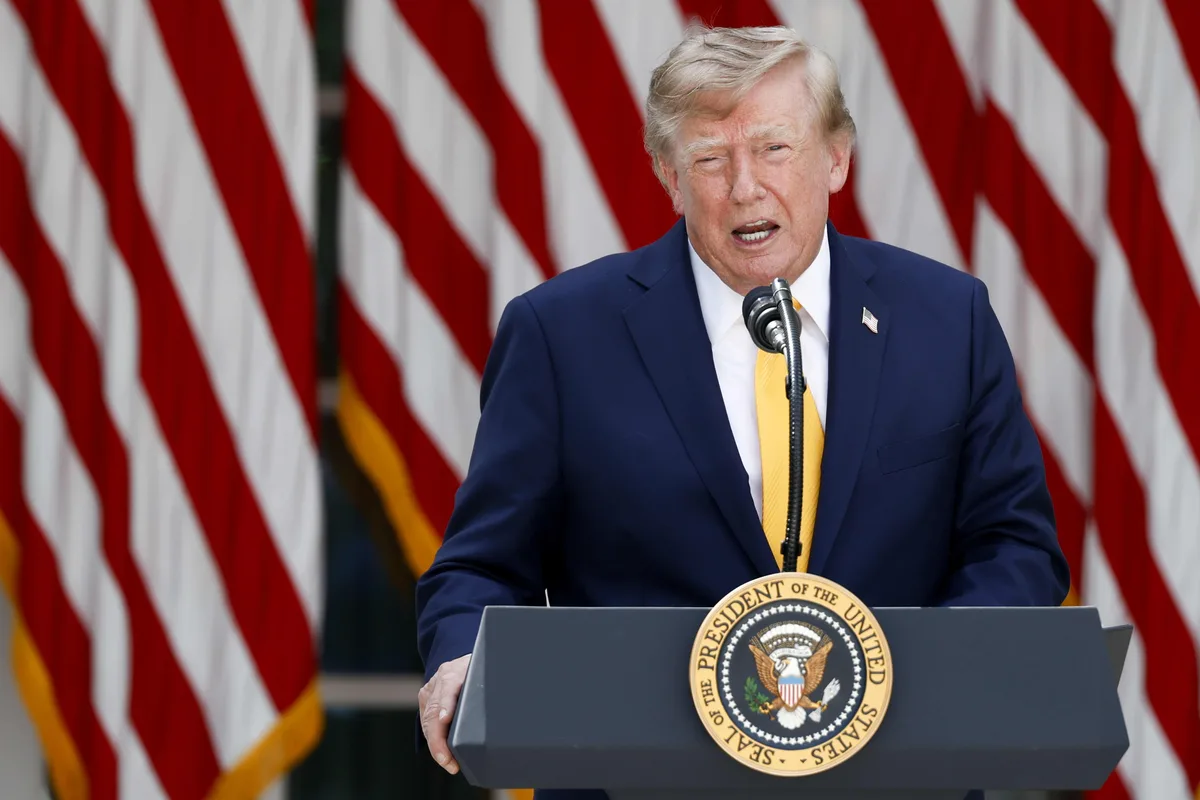
President Donald Trump announced Friday that the United States had secured majority control over 65 billion barrels of Venezuela's proven oil reserves — a headline-grabbing figure that positions the deal as one of the most significant energy agreements in recent memory. The sheer scale of the number invites optimism, but the gap between a diplomatic announcement and actual barrels flowing to American refineries is vast, and consumers hoping for immediate relief at the gas pump are likely to be disappointed.
Venezuela's oil sector has been hollowed out by years of mismanagement, U.S. sanctions, and chronic underinvestment. Even before the Trump administration's latest diplomatic maneuver, Venezuela's production capacity had fallen dramatically from its peak, meaning that the proven reserves figure — however enormous — reflects geological wealth rather than operational readiness. Unlocking that potential would require billions of dollars in infrastructure spending, a reliable regulatory framework, and a sustained commitment from international energy companies willing to navigate the country's political volatility.
Read more House Intelligence Panel Flags 'Black Swan' Risks in AI Development →
The distinction between reserves and production is precisely why energy analysts urge caution when evaluating announcements like this one. Proven reserves are an accounting category — oil that is technically recoverable under current economic conditions — but they say nothing about how quickly or cheaply that oil can reach the market. Ramping up Venezuelan output to levels that would meaningfully affect global supply and, by extension, U.S. gasoline prices would be a multi-year undertaking at minimum.
There is also a geopolitical dimension that complicates any straightforward read of the deal. Venezuela remains under a complex web of sanctions, and the terms of majority control would need to be operationalized through legal structures that satisfy both U.S. law and Venezuelan sovereignty claims. What Trump announced Friday appears to be the opening chapter of a longer negotiation rather than a concluded transaction with immediate commercial implications.
For American drivers, the calculus is straightforward if sobering: global oil prices are set at the margin, and a deal that may take years to translate into incremental barrels will do little to move the needle in the near term. Continue reading at US Top News and Analysis.