Navy Blockade Cuts Iran Oil Exports as U.S. Shifts to Economic Pressure
After July airstrikes failed to dislodge Tehran from the Strait of Hormuz, Washington has turned to economic warfare through a naval blockade.
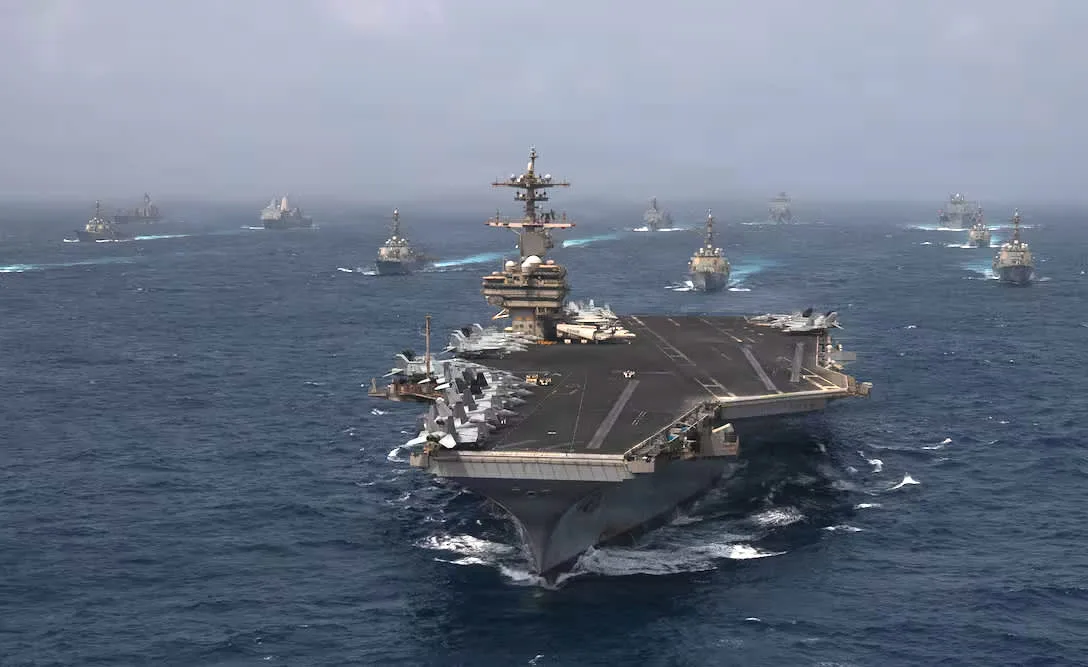
The United States has pivoted from military bombardment to sustained economic pressure in its standoff with Iran, deploying a naval blockade aimed at strangling Tehran's oil revenues. The strategic shift follows roughly a dozen rounds of airstrikes conducted throughout July that failed to compel Iran to relinquish its contested claim over the Strait of Hormuz, one of the world's most critical maritime chokepoints.
The move to economic warfare reflects a broader recalibration of American strategy — one that trades kinetic force for the slower but potentially more corrosive tool of financial isolation. By intercepting oil shipments, Washington is targeting the fiscal lifeline that sustains Iran's government, military apparatus, and regional influence. History suggests that sustained export disruption can destabilize even entrenched regimes, though timelines are difficult to predict and secondary effects on global energy markets can be significant.
Read more Treasury Sanctions UAE Arm of Egyptian Bank Over Iran Network →
The Strait of Hormuz carries an estimated one-fifth of the world's traded oil, meaning any prolonged blockade scenario carries consequences well beyond the bilateral U.S.-Iran confrontation. Energy markets, allied governments dependent on Gulf crude, and shipping insurers are all watching this development with acute concern. Iran's posture over Hormuz has long served as a strategic deterrent, and Washington's willingness to test that deterrent through direct naval interdiction marks a notable escalation in the pressure campaign.
What distinguishes this phase of the conflict is the explicit prioritization of economic attrition over military resolution — a signal that the Trump administration is betting that financial pain will succeed where airstrikes did not. Whether Tehran responds with escalation, negotiation, or renewed proxy activity remains the defining open question. The world energy order may hinge on which calculation proves correct.
Continue reading at US Top News and Analysis.