Trump Issues 11 Pardons, Including Clean Air Act Convictions
President Trump granted clemency to 11 individuals, among them defendants convicted under federal environmental law.
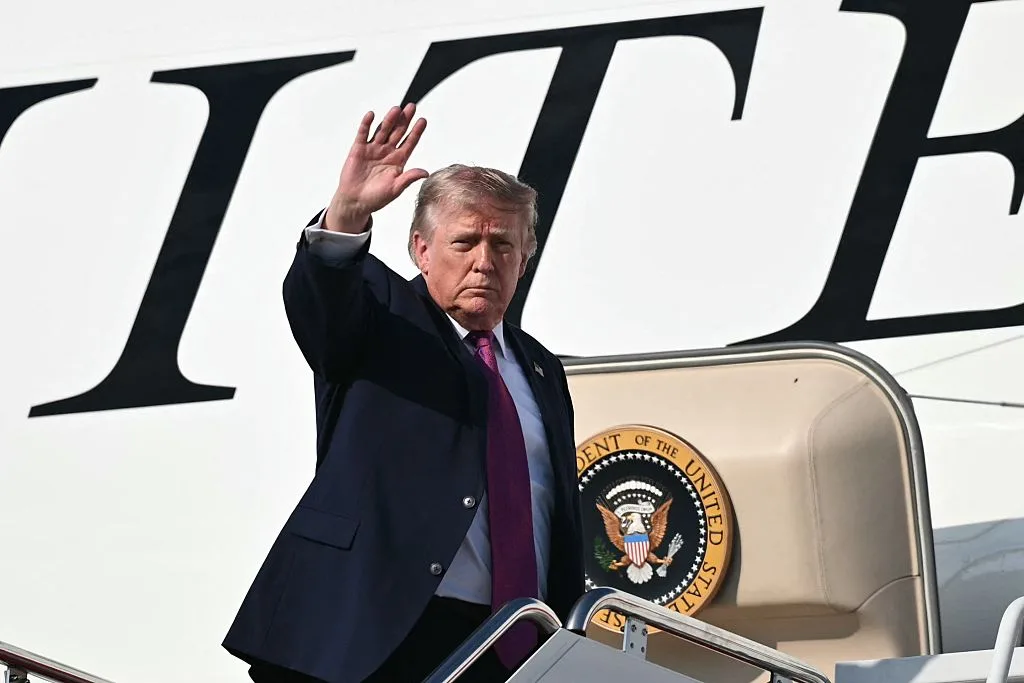
President Donald Trump extended executive clemency to 11 individuals in a recent round of pardons, a move that drew particular attention for including defendants who had been convicted of violating the Clean Air Act, one of the foundational statutes of federal environmental enforcement in the United States.
The inclusion of Clean Air Act convictions in the pardon list is notably significant from a policy standpoint. That law, which governs air pollution standards and emissions controls, carries serious criminal penalties for willful violations — penalties that prosecutors and regulators have long relied upon as a deterrent against corporate and individual misconduct affecting public health.
Read more Iowa History Deserves More Than Just Rhetoric From Leaders →
Pardons of this nature signal more than simple acts of clemency for individuals. When a president chooses to pardon those convicted under environmental statutes specifically, it sends a message about the administration's broader posture toward regulatory enforcement — a posture that, under Trump, has consistently favored deregulation and a reduced federal footprint in environmental oversight.
The broader pattern of Trump's pardoning activity across both his first and second terms has reflected a willingness to use clemency powers in politically and ideologically charged contexts, often targeting convictions tied to federal statutes or prosecutions that the administration views as regulatory overreach. Each individual pardon also carries the practical legal effect of fully restoring civil rights and erasing federal criminal liability for the recipient.
The White House has not been alone in viewing certain environmental prosecutions as excessive, with some legal critics arguing that criminal enforcement of regulatory statutes can sometimes blur the line between civil noncompliance and genuine criminal intent. Whether these particular pardons reflect that philosophy or more specific political considerations remains an open question. Continue reading at fox10phoenix.