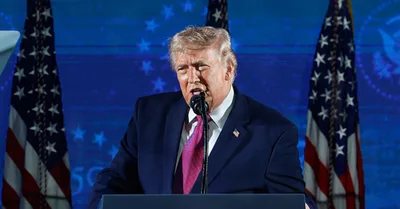
Trump DOJ Accidentally Releases Sealed Jack Smith Report
The Justice Department mistakenly leaked a sealed portion of Jack Smith's report, raising questions about document handling protocols.
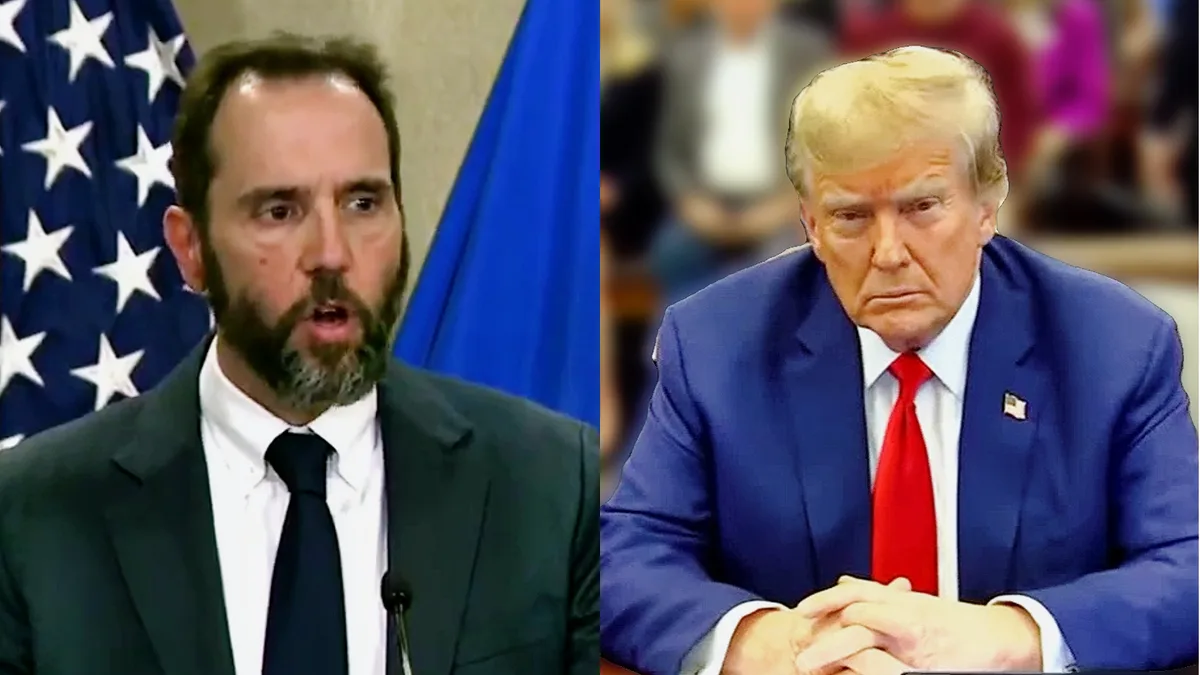
The Trump-era Department of Justice found itself at the center of an embarrassing procedural failure after it inadvertently released a sealed section of special counsel Jack Smith's report — a document that courts had specifically restricted from public view. The disclosure, reported by Mediaite's Kathianne Boniello, represents a significant breakdown in the handling of sensitive legal materials at one of the federal government's most consequential institutions.
Sealed court documents exist precisely because judges have determined that their premature or unauthorized release could compromise ongoing legal proceedings, harm individuals named within them, or prejudice potential future cases. When the agency responsible for prosecuting federal law — and for safeguarding such materials — is itself the source of the leak, the institutional credibility stakes are considerably higher than an ordinary clerical error.
Read more Iowa History Deserves More Than Just Rhetoric From Leaders →
The Jack Smith report has been a subject of intense legal and political scrutiny since the special counsel's investigations into former President Donald Trump concluded. Various parties have sought both to release and to suppress different portions of the report, leading to a complex web of court orders governing what can and cannot be disclosed. An accidental government release of sealed content cuts directly against that judicial framework, potentially triggering legal consequences and forcing courts to reassess protective orders.
What makes this episode particularly notable is its context: the DOJ is now operating under an administration whose principals were subjects of Smith's investigation. Whether the release was a product of bureaucratic carelessness or something more deliberate will likely become a central question for oversight observers and members of Congress who have been monitoring the department's handling of Smith-related materials. Accountability mechanisms within the federal judiciary could compel the DOJ to explain how the breach occurred and what steps are being taken to prevent recurrence.
Continue reading at Mediaite.