Pentagon Revises Iran War Death Toll Down by Four Troops
The Defense Department quietly reduced its official Iran-related death count from 18 to 14, dropping four service members killed this month.
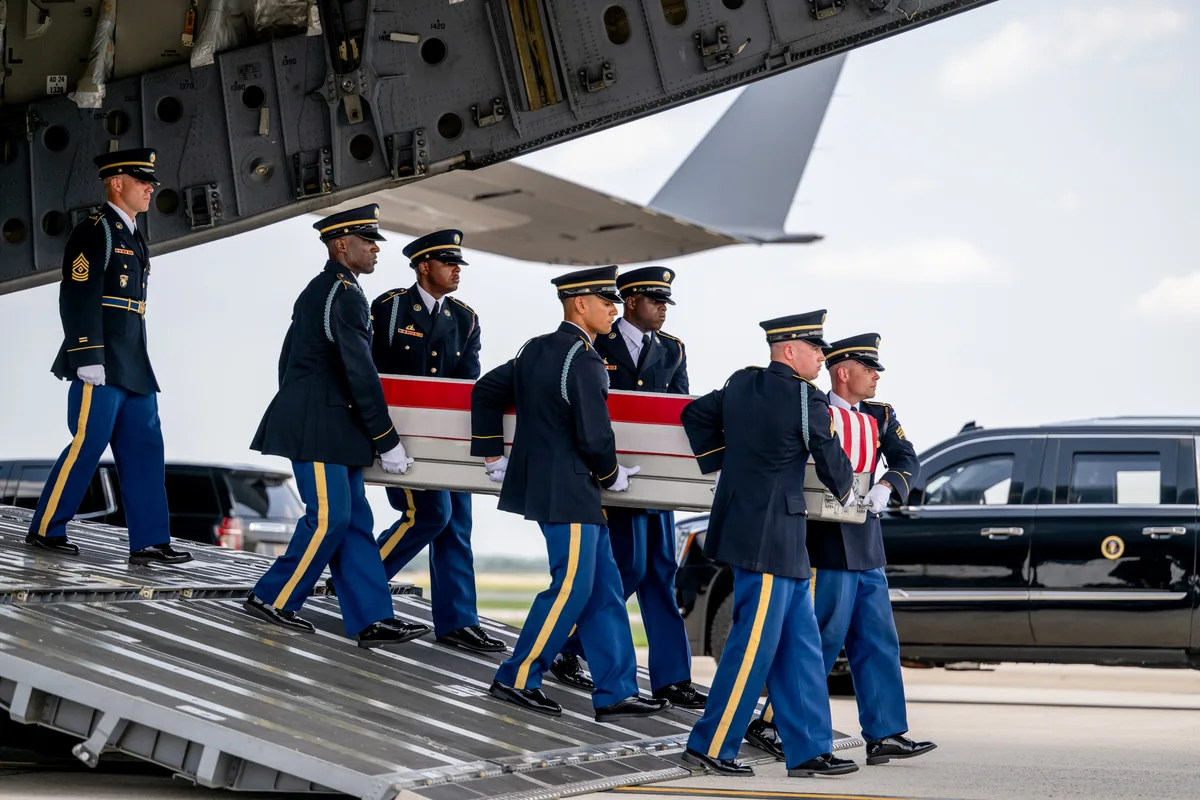
The Pentagon has revised its official count of American service members killed in connection with the Iran conflict, lowering the figure from 18 to 14 — a reduction achieved by removing four troops who died during the current month. The adjustment raises immediate questions about how the Defense Department categorizes and publicly accounts for combat-related casualties in an era of heightened sensitivity around military engagements in the Middle East.
Official death tolls carry significant political and symbolic weight. They shape public perception of a conflict's costs, inform congressional oversight, and serve as a baseline for historical accountability. When those figures move downward — particularly by omitting recent deaths rather than correcting older data — the methodology behind the classification becomes as important as the number itself. The Pentagon has not publicly detailed what criteria were applied to exclude the four service members from the count.
Read more Moonshot AI Tapped Nvidia GB300 Chips via Thailand, White House Says →
The timing matters. Deaths recorded within a given month are typically among the most scrutinized, as media reports, congressional notifications, and family acknowledgments often precede any official statistical revision. Removing recently confirmed fatalities from an aggregate total, rather than adding to it, inverts the expected direction of accounting updates and suggests a deliberate reclassification rather than a data correction.
Without additional transparency from the Defense Department, analysts and oversight bodies are left to assess whether the revision reflects a legitimate change in how the conflict is defined — for instance, narrowing the geographic or operational scope that qualifies deaths as Iran-related — or whether it represents an effort to minimize the visible human cost of ongoing military operations. Either explanation carries profound implications for how Congress and the public evaluate U.S. engagement in the region.
Continue reading at US Top News and Analysis.