Swiss Pharma CEO Warns Trump Tariffs Could Raise Generic Drug Prices
Sandoz CEO Richard Saynor says steep U.S. tariffs on imported generics may force price hikes or supply cuts, with patients bearing the cost.
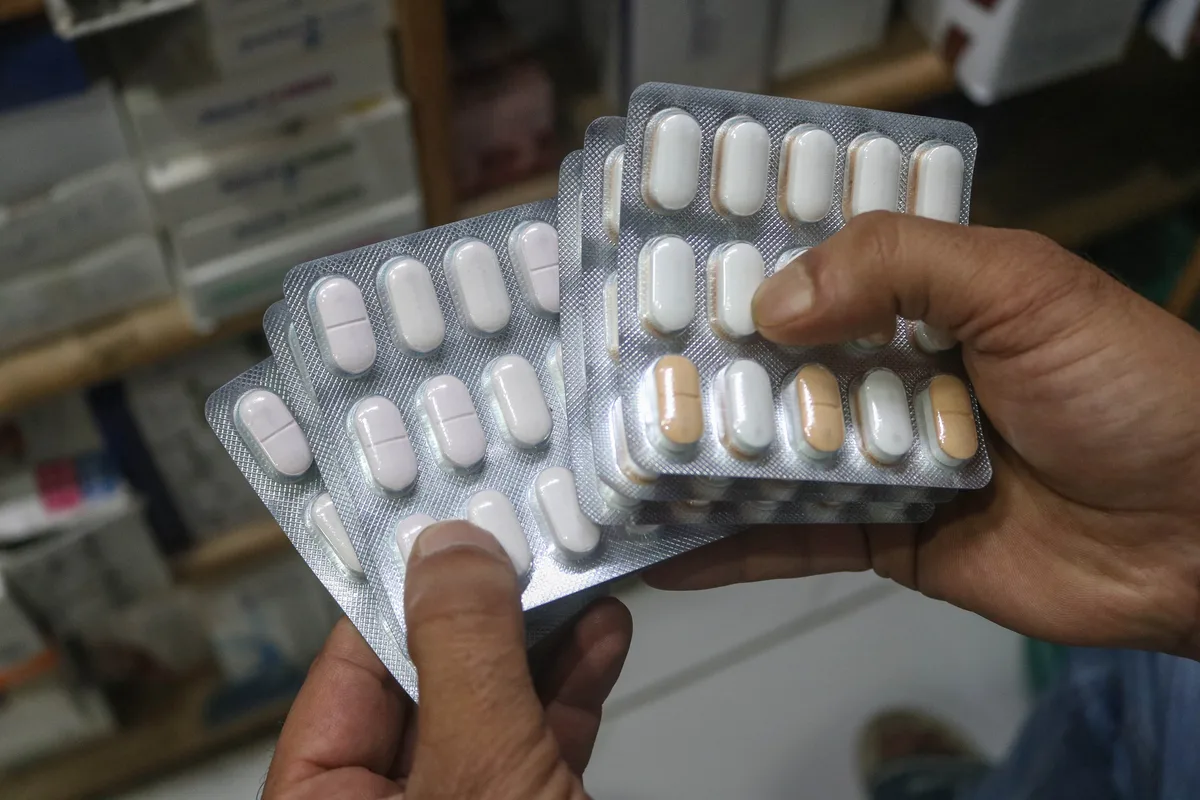
The chief executive of Sandoz, one of the world's largest generic drug manufacturers, is sounding an alarm over the potential consequences of sweeping U.S. tariffs on imported pharmaceuticals. Richard Saynor warned that if the Trump administration moves forward with steep levies on generic medications, the burden will ultimately fall on American patients — not on the companies producing them. His blunt assessment: 'Patients pay the tariff.'
Generic drugs represent the backbone of American prescription medicine, accounting for the vast majority of dispensed medications and serving as a critical cost-control mechanism within the healthcare system. Unlike brand-name pharmaceuticals, generics already operate on razor-thin margins, leaving manufacturers with limited room to absorb additional cost pressures. Saynor's warning signals that tariffs could disrupt a supply chain that has little financial cushion to absorb new trade barriers.
Read more EU Chief Visits Greenland Amid Trump's Annexation Push →
The stakes extend beyond pricing. Saynor cautioned that tariffs could also prompt manufacturers to reduce supply to the U.S. market — a scenario that would compound existing drug shortage concerns that have persisted since the pandemic era. For a sector already navigating fragile global supply chains, the introduction of significant import taxes could accelerate a troubling consolidation of pharmaceutical sourcing.
The broader policy tension is difficult to ignore. While the Trump administration has framed pharmaceutical tariffs partly as a tool to reshore drug manufacturing to the United States, industry leaders argue the transition would take years and that the near-term damage to patients and supply chains could be severe. Sandoz, headquartered in Switzerland, is among the multinational firms most exposed to such measures given its heavy reliance on cross-border production and distribution networks.
Continue reading at US Top News and Analysis.