Supreme Court Clears Trump to Fire Independent Agency Chiefs
A landmark ruling overturns a New Deal-era precedent, giving presidents broad new power to remove independent regulators at will.
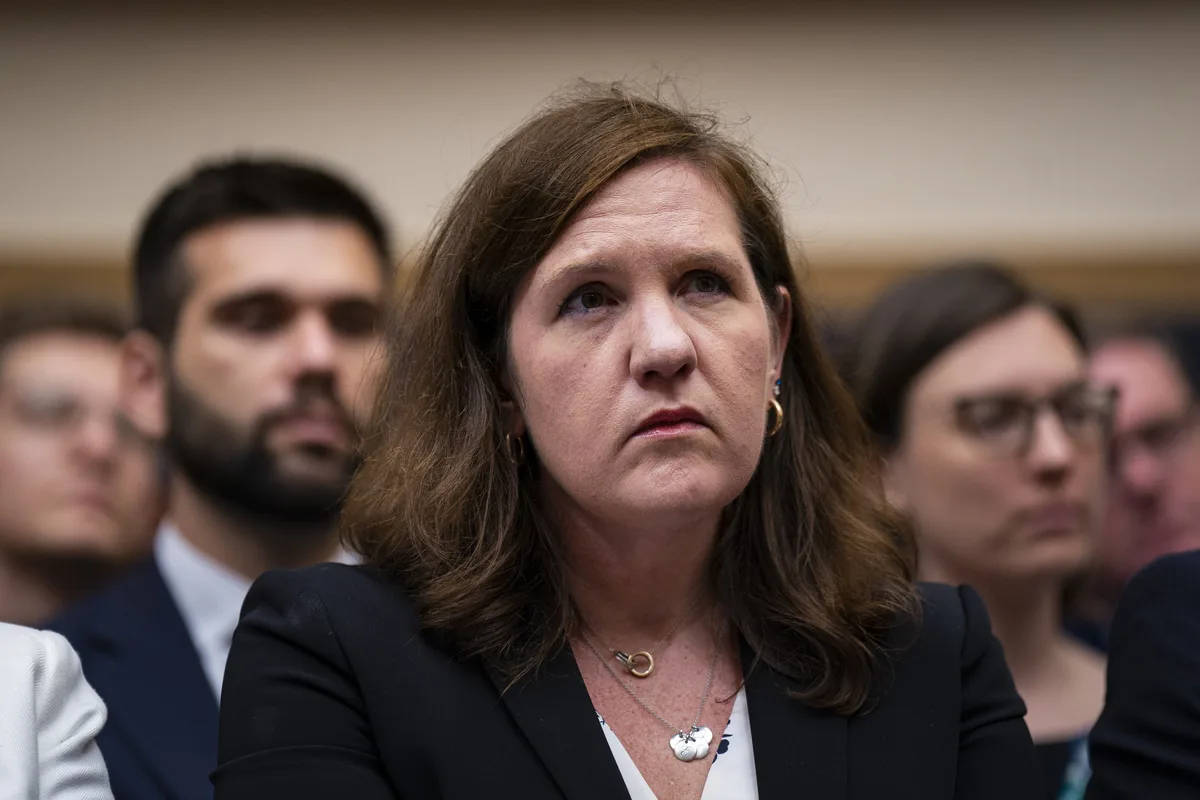
The Supreme Court has handed President Donald Trump a sweeping expansion of executive authority, ruling that presidents possess the power to dismiss commissioners of independent regulatory agencies without cause. The decision arose from Trump's attempt to remove Rebecca Slaughter, a Democratic commissioner at the Federal Trade Commission, and it dismantles a legal shield that had protected such officials for nearly a century.
At the heart of the ruling is the overturning of *Humphrey's Executor v. United States*, a 1935 precedent that had long insulated commissioners of agencies like the FTC, the Securities and Exchange Commission, and the National Labor Relations Board from politically motivated removal. That decision had established the principle that Congress could structure certain agencies as independent bodies, staffed by experts whose job security was meant to buffer them from direct presidential control.
Read more Senate Eyes July Deadline for Crypto Market Structure Bill →
The implications of this ruling extend well beyond the FTC. For decades, the independence of multi-member regulatory commissions has been treated as a constitutional fixture of the administrative state. By clearing the way for at-will removal, the Court fundamentally reorders the relationship between the White House and the alphabet agencies that regulate finance, labor, communications, and consumer protection. Critics warn that partisan loyalty could now become a de facto qualification for serving on bodies Congress designed to be nonpartisan.
Proponents of the ruling, including those aligned with the unitary executive theory, argue that accountability flows most cleanly when the president — an elected official — exercises direct control over the executive branch, including its regulatory arms. From this view, insulated commissioners represented an unconstitutional diffusion of power that blurred democratic responsibility rather than protecting it.
The decision is likely to reshape how future administrations staff and manage independent agencies, with lasting consequences for regulatory predictability across industries from telecommunications to financial services. Continue reading at US Top News and Analysis.