What the Supreme Court's Fed and FTC Rulings Mean for You
Two landmark Supreme Court decisions on the Fed and FTC carry significant consequences for American consumers and household finances.
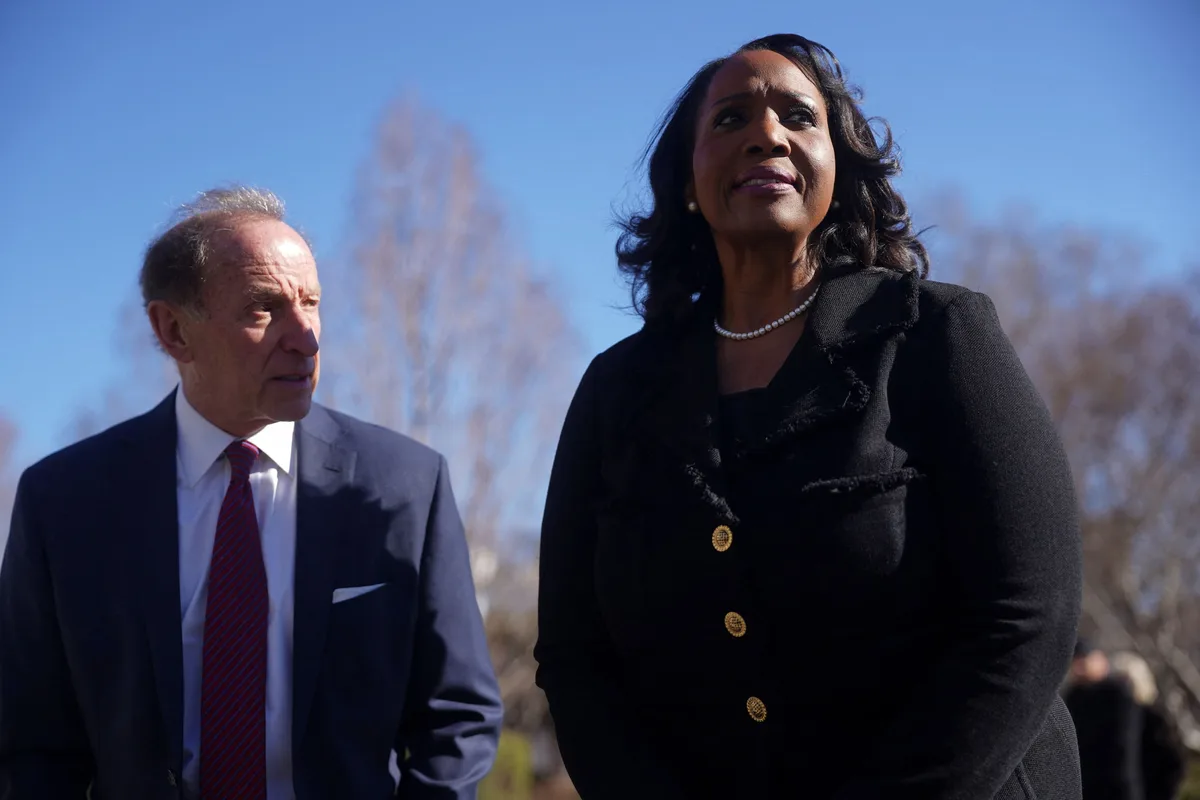
The Supreme Court delivered two closely watched decisions on Monday that together reshape the legal landscape governing two of the most consequential federal agencies in American economic life — the Federal Reserve and the Federal Trade Commission. While the rulings arrived on the same day, each carries its own distinct implications for the way Washington regulates money and markets.
The Federal Reserve sits at the center of American monetary policy, setting interest rates that ripple through mortgage payments, car loans, savings accounts, and credit card balances. Any ruling that alters the Fed's structural independence or operational authority has the potential to influence borrowing costs for millions of households, even if the effects take time to materialize through financial markets.
Read more Senate Eyes July Deadline for Crypto Market Structure Bill →
The FTC, meanwhile, serves as one of the primary shields consumers have against deceptive business practices, anticompetitive mergers, and predatory corporate behavior. A decision that curtails the agency's enforcement powers — or alternatively affirms them — directly affects the competitive landscape of industries ranging from healthcare to technology, with downstream consequences for prices and consumer choice.
Taken together, the rulings reflect a broader constitutional reckoning over the power of independent federal agencies, a debate that has intensified as the Supreme Court's current majority has shown increasing skepticism toward the administrative state. Legal scholars and economists are watching closely to determine whether Monday's decisions accelerate or contain that trend, and what guardrails, if any, remain in place for agencies that operate with significant autonomy from direct presidential control.
For ordinary Americans, the practical stakes are real — from whether the FTC can block a merger that might raise grocery prices, to whether the Fed's rate-setting process remains insulated from political interference. Continue reading at US Top News and Analysis.