Record Beef Prices Haven't Killed America's Steak Appetite
Beef prices have hit all-time highs, yet American consumers keep buying. Analysts point to the 'affordable luxury' mindset as the key driver.
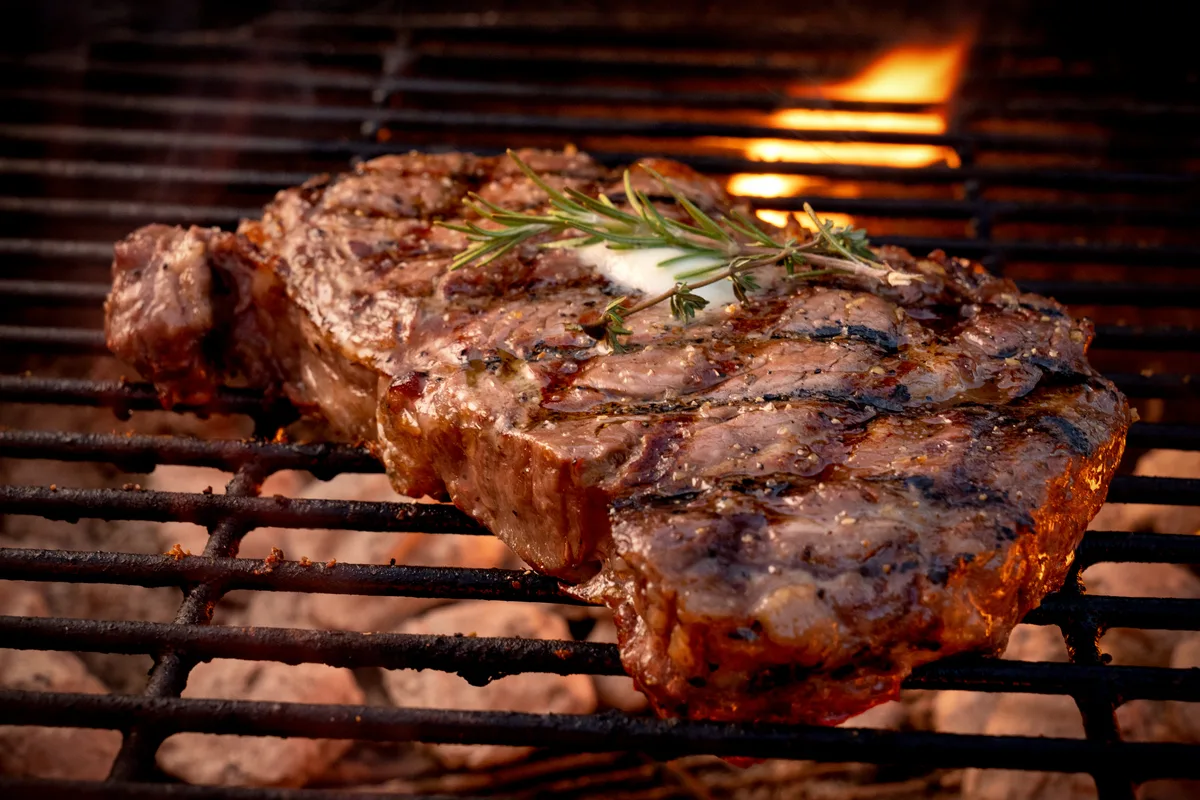
Beef prices have climbed to record levels in the United States, yet something counterintuitive is happening at the meat counter: demand is holding firm. Rather than trading down to chicken or pork, many Americans are simply adjusting how and when they buy steak — a behavioral shift that reveals something telling about consumer psychology in a persistent inflation environment.
The concept driving this resilience is what analysts describe as the "affordable luxury" framework. When households feel squeezed across multiple budget categories — housing, utilities, childcare — a premium cut of beef for a Friday night dinner can serve as a manageable splurge. It offers the psychological reward of indulgence without the price tag of a restaurant meal or a vacation. In that context, even an expensive ribeye begins to look like a relative bargain.
Read more Dow Hits Record Despite Weak Jobs Data: What It Means for Workers →
Consumers are also increasingly reserving beef purchases for special occasions rather than routine weeknight meals, which helps them justify the higher per-unit cost. This selective buying pattern effectively insulates demand from the kind of broad collapse that economists might expect when prices reach record territory. The steak becomes an event, not just a meal.
The durability of beef demand amid high prices underscores a broader truth about how Americans prioritize food spending: certain categories carry strong cultural and emotional weight that makes them among the last things people cut. Beef, deeply embedded in American food identity — from backyard grilling to holiday dinners — appears to occupy that protected tier of the household budget.
What remains to be seen is whether prices rise further or remain elevated long enough to finally erode that loyalty, particularly for lower-income households who face the sharpest tradeoffs. For now, the data suggests the steak industry has more pricing power than conventional demand curves would predict. Continue reading at US Top News and Analysis.