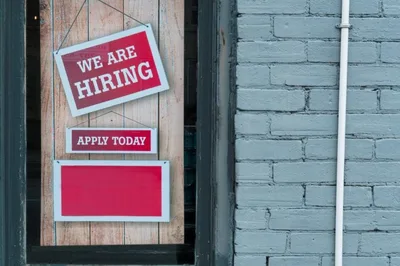
Dow Hits Record Despite Weak Jobs Data: What It Means for Workers
The Dow climbed to a fresh all-time high even as the latest jobs report disappointed, raising questions about wage growth for the rest of 2026.

Wall Street shrugged off a tepid jobs report to push the Dow Jones Industrial Average to a record high, a disconnect that underscores a growing tension at the heart of the 2026 economic story: equity markets are thriving while the labor market shows signs of cooling. The divergence is not trivial — it speaks to who, exactly, is benefiting from the current expansion.
The blunt assessment from J.P. Morgan Asset Management cuts through the celebratory market headlines: "American workers are not getting a raise." That observation, attributed to a strategist at one of the world's largest asset managers, signals that wage growth — a critical engine of consumer spending and household financial health — may be stalling even as corporate earnings and stock valuations push higher.
Read more Record Beef Prices Haven't Killed America's Steak Appetite →
The implications extend well beyond a single data release. When wage growth lags behind inflation or simply flatlines, consumer purchasing power erodes quietly. Households may continue spending in the near term by drawing down savings or leaning on credit, but that dynamic is not indefinitely sustainable. The second half of 2026, analysts suggest, will be shaped significantly by whether employers feel pressure to compete for workers through compensation or whether a softer labor market gives them the leverage to hold the line on payroll costs.
For investors, a record Dow offers obvious reasons for optimism. But the jobs picture serves as a reminder that market performance and economic well-being for ordinary Americans can run on parallel, sometimes diverging, tracks. A labor market that stops rewarding workers generously could eventually dampen the consumer demand that underpins corporate revenue — and by extension, the equity valuations that are currently celebrating record territory.
The rest of 2026 will likely be defined less by whether the Dow can sustain its highs and more by whether workers begin to share meaningfully in the prosperity those highs reflect. Continue reading at MarketWatch.com