Options Buying Amplifies the Stock Market's Four-Day Rally
Fear of missing out is driving traders into bullish options, creating a feedback loop that accelerates the ongoing equity rebound.
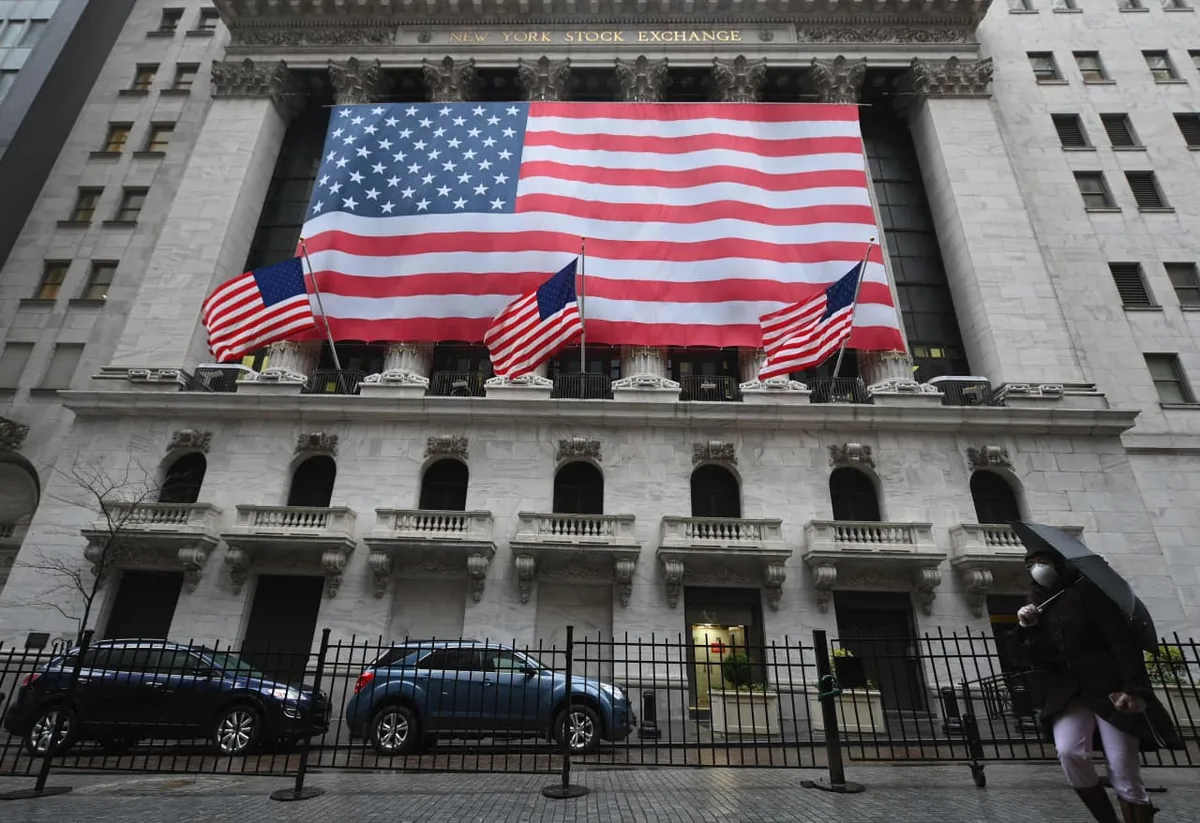
A swift four-session surge in equity markets has triggered a familiar dynamic on Wall Street: traders scrambling to catch up are turning to options markets, where leveraged bullish bets can generate outsized gains quickly. The rush into calls and similar instruments is not merely a symptom of the rally — it is actively reinforcing it, as dealers who sell those contracts must hedge by purchasing the underlying shares, pushing prices even higher.
This reflexive mechanism, sometimes called a gamma squeeze, can compress weeks of normal price discovery into days. When retail and institutional traders pile simultaneously into short-dated call options, market makers are forced onto the same side of the trade, bidding up stocks in real time. The result is a market that climbs faster than underlying earnings or economic data would normally justify, leaving fundamental investors questioning whether price levels are rational.
Read more The Magnificent Seven Trade Is Fracturing: What Comes Next →
The fear-of-missing-out psychology at play here is worth examining carefully. Investors who stayed cautious during the early stages of the rebound now face a painful choice: accept that they underperformed, or chase the move by accepting elevated risk at higher prices. Options offer a way to manufacture exposure quickly without committing large amounts of capital upfront — an appealing proposition when the tape is moving fast and sentiment has shifted sharply.
Historically, these options-driven melt-ups carry a built-in fragility. Once the buying impulse fades or hedging flows reverse, the same mechanism that levitated prices can accelerate a pullback. Analysts watching dealer positioning and open interest will be the first to detect when the tide is turning. For now, momentum and derivatives flows remain aligned, giving the rally additional runway even as valuation concerns linger in the background.
Continue reading at MarketWatch.com