AMD Posts 50% Revenue Surge as Data Center Sales Double
AMD's data center division fueled explosive growth, doubling year-over-year even as investors sent shares lower after results.
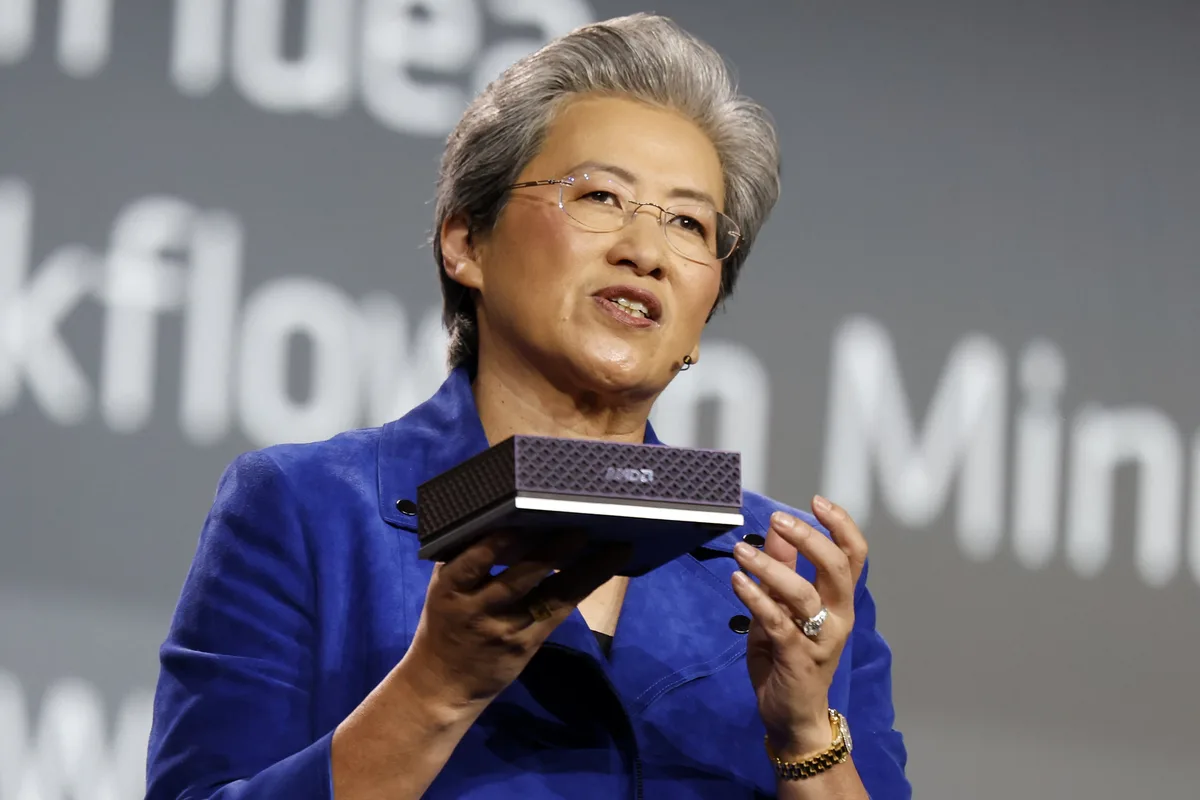
Advanced Micro Devices delivered a striking financial performance, reporting overall revenue growth of 50% while its data center segment — the engine powering the company's transformation — surged 107% compared to the same period a year ago. The numbers represent a meaningful acceleration in AMD's pivot toward the high-margin, AI-driven infrastructure market that has reshaped the semiconductor landscape over the past two years.
The data center result is particularly telling. A doubling of revenue in that segment signals that AMD is successfully competing for a share of the enormous capital expenditures that hyperscalers and cloud providers are directing toward artificial intelligence workloads. The company has positioned its Instinct GPU line as a credible alternative to Nvidia's dominant offerings, and results of this magnitude suggest enterprise customers are diversifying their chip procurement strategies rather than betting on a single supplier.
Read more The Magnificent Seven Trade Is Fracturing: What Comes Next →
Despite the strong headline numbers, the stock declined following the announcement — a reaction that reflects the elevated expectations baked into semiconductor valuations after a prolonged AI-driven rally. When a company's stock has already priced in aggressive growth, even genuinely impressive results can disappoint traders looking for an upside surprise rather than confirmation of consensus estimates. This dynamic has become a recurring pattern across the chip sector.
The broader implication is that AMD's fundamental business trajectory remains firmly upward, even if near-term price action tells a more complicated story. The 107% data center growth rate demonstrates that the company's competitive positioning is translating into real revenue, not just analyst optimism. How AMD sustains that momentum — particularly as competition intensifies and AI infrastructure spending faces scrutiny — will define the next chapter of its growth story.
Continue reading at US Top News and Analysis