Michigan Democratic Senate Primary Hinges on AI and Data Center Concerns
Abdul El-Sayed and Rep. Haley Stevens clash in Michigan's Aug. 4 Democratic Senate primary, with AI and data center policy emerging as pivotal issues.
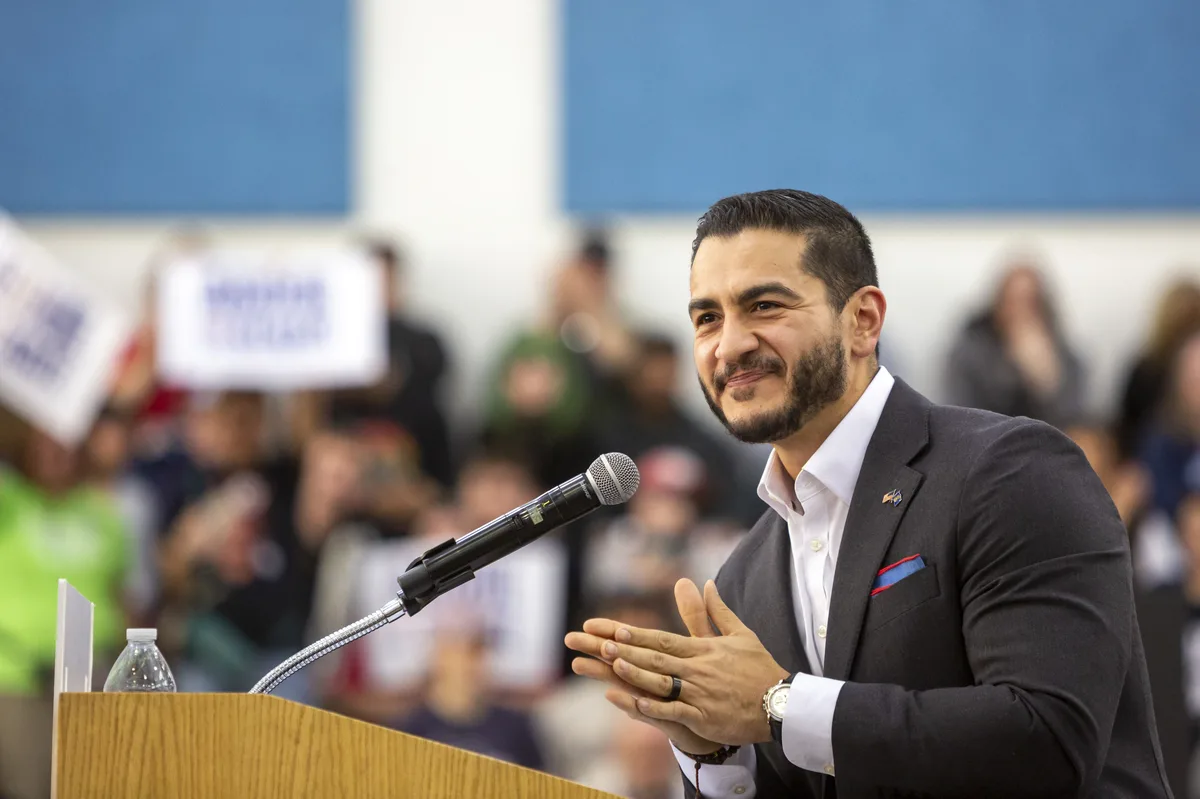
Michigan's Democratic Senate primary on August 4 is shaping up as one of the more consequential intraparty contests of the current election cycle, pitting Abdul El-Sayed against Representative Haley Stevens in a race that could signal where the party's base stands on emerging technology and its local consequences.
AI policy and data center development have surfaced as unexpectedly central concerns in the contest. Data centers — the sprawling, energy-intensive facilities that power artificial intelligence systems — have become flashpoints in communities across the country, raising questions about land use, electricity demand, and environmental impact. In a state like Michigan, where industrial legacy and environmental justice issues carry deep political weight, those concerns resonate with a Democratic primary electorate that tends to reward candidates who engage substantively with local consequences of national trends.
Read more Trump's Iran 'Deal' Talk Signals De-escalation, Not Resolution →
El-Sayed, a physician and former candidate for Michigan governor, has built a profile as a progressive voice willing to challenge technology and corporate power. Stevens, a sitting member of Congress, brings institutional credibility and legislative experience to the race, including familiarity with the federal policy landscape surrounding advanced technology and manufacturing — areas directly relevant to the data center debate.
The dynamics of this primary reflect a broader tension within the Democratic Party as it attempts to reconcile enthusiasm for AI-driven economic growth with growing grassroots skepticism about who bears the costs — in energy consumption, environmental strain, and community disruption — of that expansion. How Michigan Democrats resolve that tension in August could offer an early read on how the party navigates the politics of artificial intelligence heading into a critical election year.
Continue reading at US Top News and Analysis.