Trump's Iran 'Deal' Talk Signals De-escalation, Not Resolution
Trump claims Iran reached out seeking a deal, but analysts note the rhetoric mirrors past patterns with little substantive progress on nuclear issues.
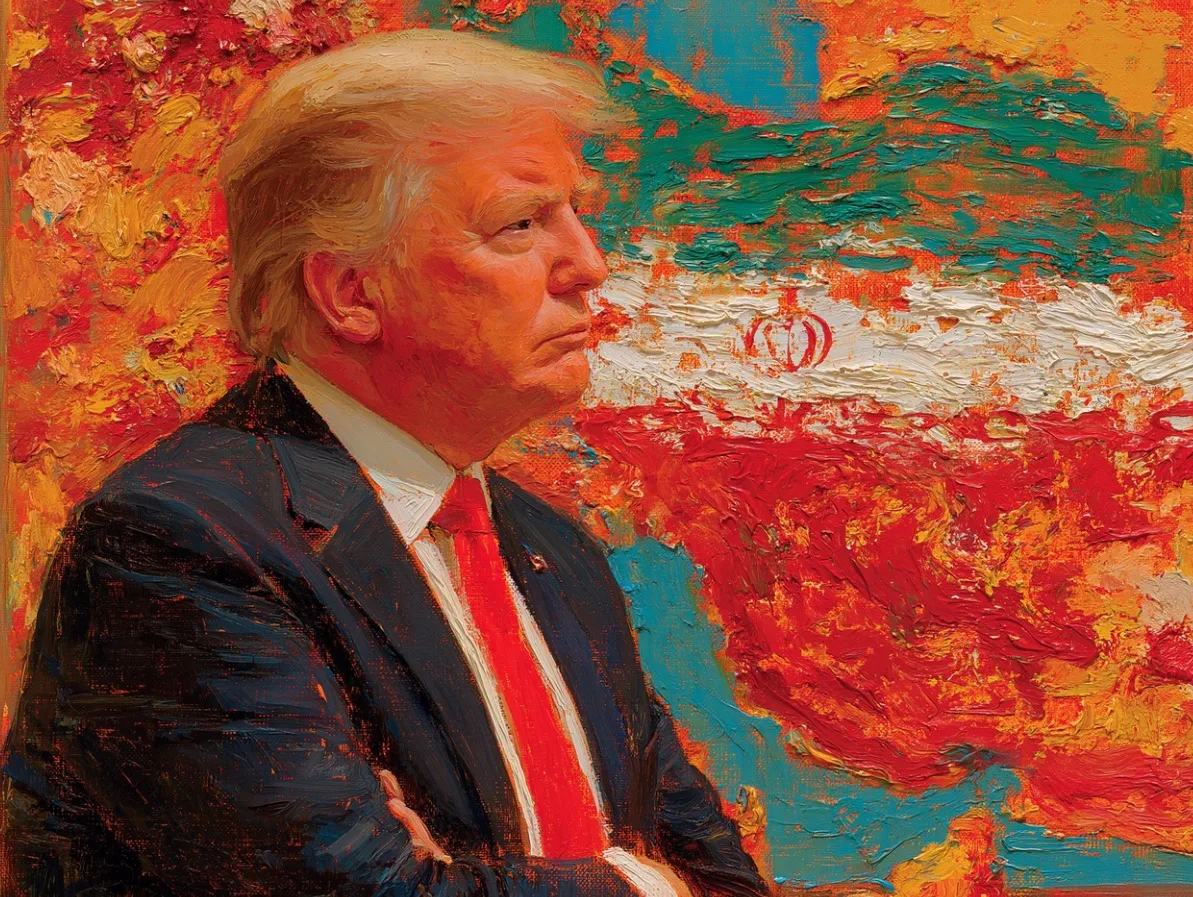
President Trump publicly reiterated this week that Iran had contacted the United States expressing interest in negotiations, framing it as Tehran coming to the table from a position of need. The statement carries a familiar ring — nearly identical language surfaced during previous rounds of US-Iran tensions, as well as during the tariff standoff with China, suggesting a recognizable rhetorical playbook rather than a breakthrough diplomatic moment.
The pattern is worth noting: Trump's signature negotiating style tends to follow a predictable arc. Tensions escalate, pressure mounts on both sides, and then Trump signals a desire to pull back by announcing that the opposing party is eager to make a deal. Analysts have dubbed this a "TACO" dynamic — an indication that de-escalation is the underlying goal, even if the public framing suggests the other side is capitulating. For financial markets, that shift in tone typically registers as a positive signal, reducing near-term risk premiums.
Read more Age Verification Laws Are Quietly Building a Surveillance Web →
But the immediate optics of diplomatic softening mask a set of unresolved and deeply structural problems. Iran's continued posturing around the Strait of Hormuz — a critical chokepoint for global oil flows — alongside Israel's ongoing military operations in Lebanon, means the regional security architecture remains fragile at best. Any memorandum of understanding between Washington and Tehran faces real stress tests that goodwill rhetoric alone cannot resolve.
Perhaps most consequentially, the two countries remain fundamentally at odds on the nuclear question. The gap between US demands and Iran's red lines on uranium enrichment is wide, and three weeks into a supposed 60-day negotiating window, there is no visible framework for bridging it. Declarations of willingness to deal are not the same as a deal — and conflating the two risks misreading where this standoff actually stands.
Continue reading at Forexlive.