King Charles Repositions the Crown for a Multi-Faith Britain
The British monarch is redefining the royal role to reflect a religiously diverse nation, signaling a shift from traditional Church of England primacy.
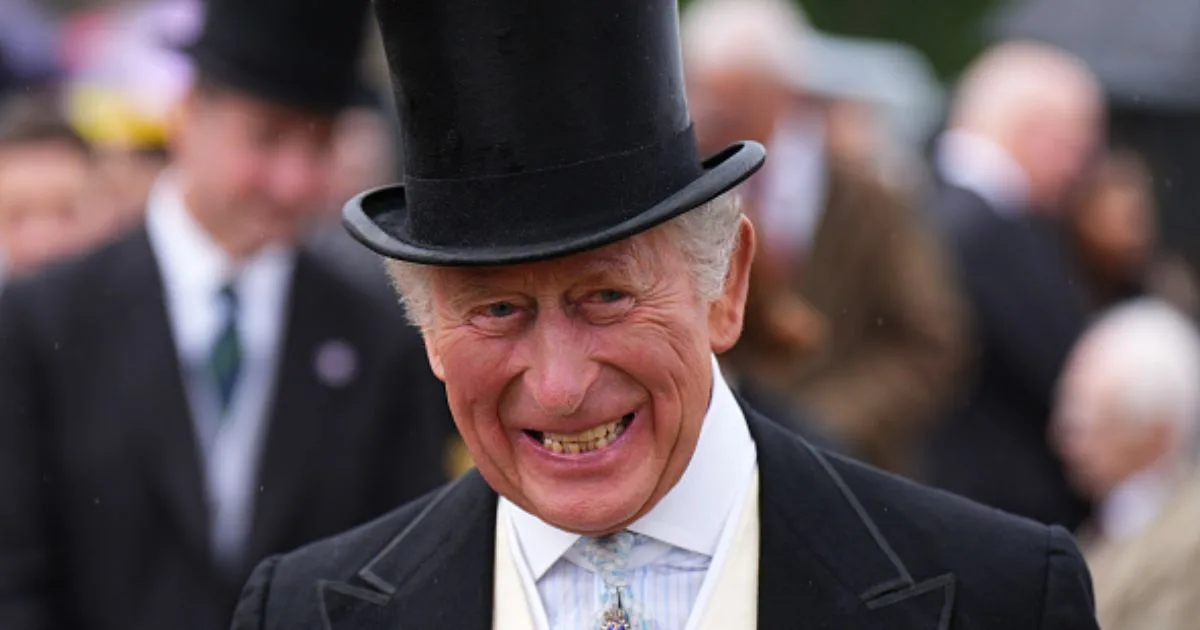
Britain's monarchy is undergoing a quiet but consequential transformation. King Charles III, who assumed the throne following the death of Queen Elizabeth II in 2022, has signaled an intent to broaden the sovereign's traditional role as Defender of the Faith — a title historically tied to the Church of England — to encompass a wider spiritual constituency across the United Kingdom's increasingly diverse religious landscape.
The move reflects a broader cultural reality: Britain is no longer a nation defined by a single dominant faith tradition. Decades of immigration, secularization, and interfaith dialogue have reshaped the religious makeup of cities from London to Birmingham. For Charles, who expressed interest in multi-faith representation long before his coronation, the redefinition of monarchical duty appears to be a deliberate philosophical position rather than a pragmatic concession.
Read more Iowa History Deserves More Than Just Rhetoric From Leaders →
This repositioning carries real institutional weight. The Crown's relationship with the Church of England is embedded in constitutional arrangements stretching back to the Reformation, and any rhetorical shift — even a symbolic one — invites debate about what the monarchy represents, who it speaks for, and whether inherited religious authority can coexist with pluralist ambitions. Critics from traditionalist and Christian conservative quarters argue that diluting the sovereign's explicitly Christian identity risks eroding one of the few remaining pillars of Britain's cultural heritage.
The tension here is not simply theological. It is political and generational. As younger Britons grow more likely to identify as non-religious or as members of minority faiths, the palace faces a legitimacy calculation: a monarchy that appears narrowly sectarian risks alienating a broad segment of its subjects. Yet a monarchy that downplays its historic Christian foundation may unsettle the institutions — including the established Church — that have long underwritten royal authority.
How Charles ultimately balances devotion to tradition with his evident desire to serve a pluralistic nation remains the central question of his early reign. Continue reading at westernjournal (the washington stand).