IBM Stock Suffers Worst Single-Day Drop in Company History
IBM's shares cratered after a surprise early earnings release revealed profit and revenue that badly missed Wall Street expectations.
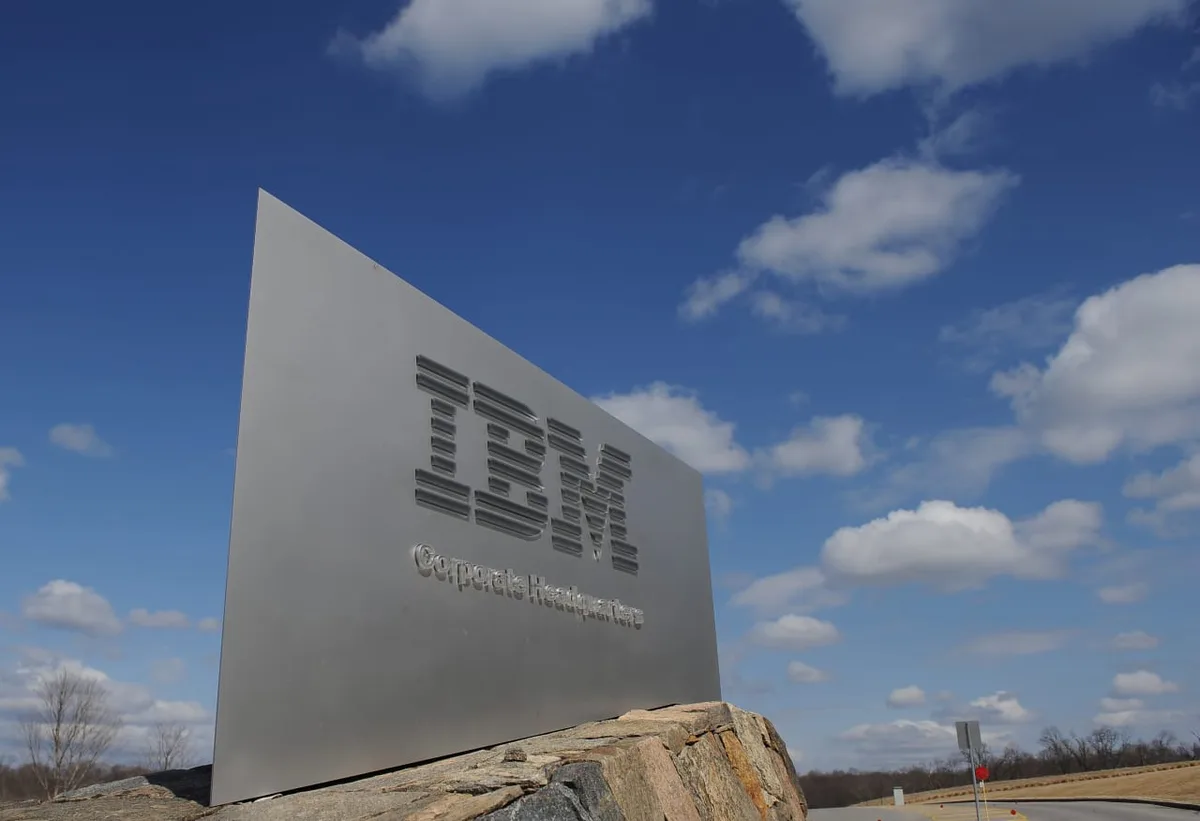
IBM endured its worst stock performance on record after the company unexpectedly released preliminary earnings figures that fell well short of what analysts had forecast on both the top and bottom lines. The dual miss — on both revenue and profit — rattled investors who had grown accustomed to IBM navigating turbulent markets with relative stability, making the scale of the selloff all the more striking.
The surprise timing of the preliminary release added an unusual layer of volatility to an already disappointing report. When companies preemptively disclose earnings ahead of a scheduled announcement, it typically signals that the news is too material to delay — a dynamic that tends to amplify negative market reactions, as investors price in not just the miss itself but also uncertainty about what else may emerge in the full report.
Read more IBM Stock Suffers Historic Single-Day Drop on Earnings Miss →
For IBM, a company that has spent years repositioning itself around hybrid cloud computing and artificial intelligence services following its spinoff of the managed infrastructure business Kyndryl, an earnings stumble of this magnitude raises pointed questions about whether that strategic pivot is generating the revenue momentum the market had anticipated. Investors and analysts will be watching closely for any guidance revisions or management commentary that might explain the shortfall and outline a credible recovery path.
The record single-day decline underscores how little margin for error exists for legacy technology companies attempting large-scale transformations. Even a single quarter of underperformance can erase significant market capitalization and reset investor confidence in a growth narrative that depends heavily on sustained execution. IBM's leadership will face pressure to provide granular detail on which business segments drove the miss and whether the weakness is cyclical or structural.
Continue reading at MarketWatch.com